60+ Rotating Skateparks Across the City
When I started on skate. I took over the Community Parks system. Three plots around the map rotate a fresh layout every single day — giving players a reason to come back daily.
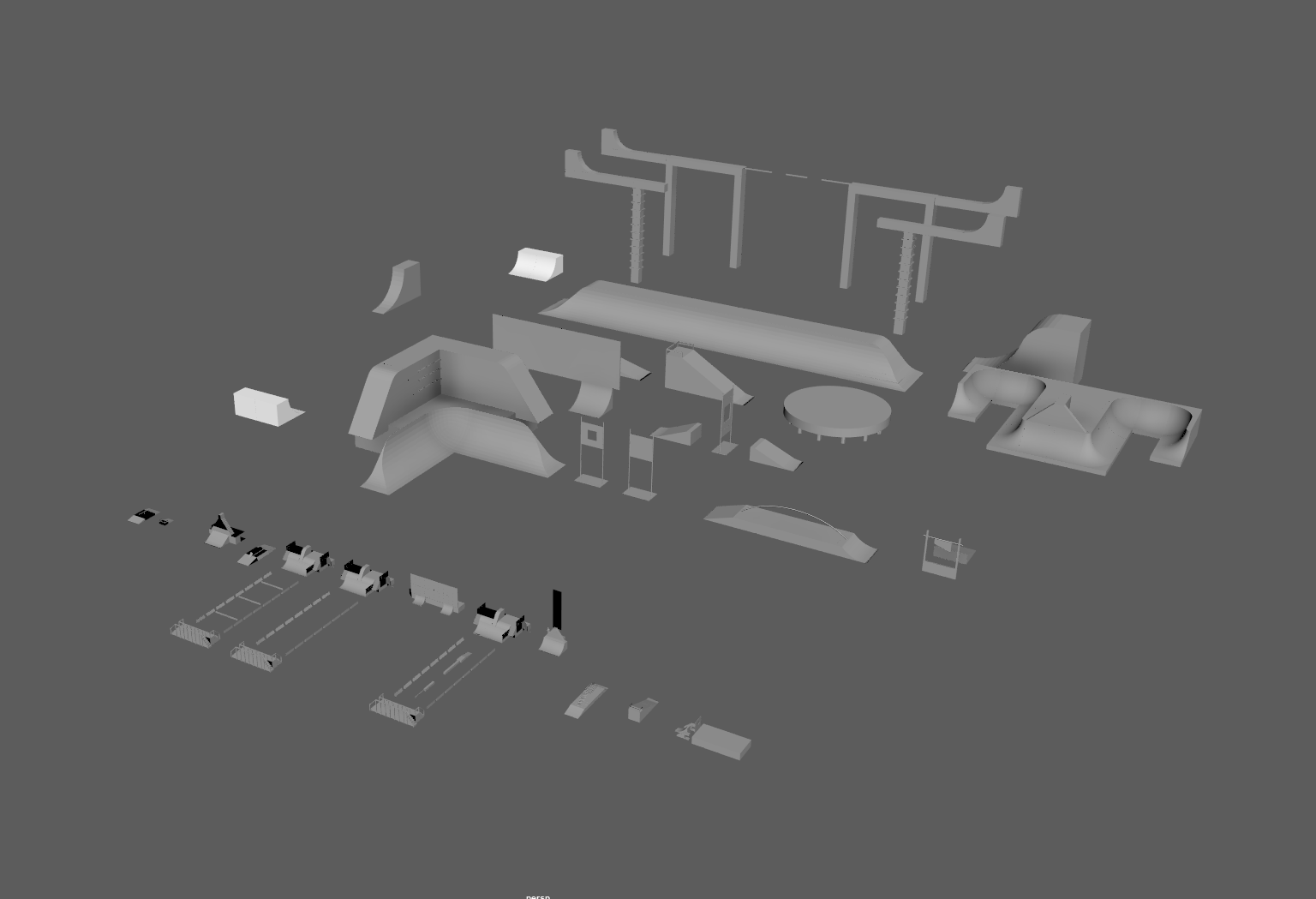
I inherited an 85-piece modular kit and expanded it to 200 pieces by modeling new parts in Maya. Every new piece iterated on until the gameplay feel was right.
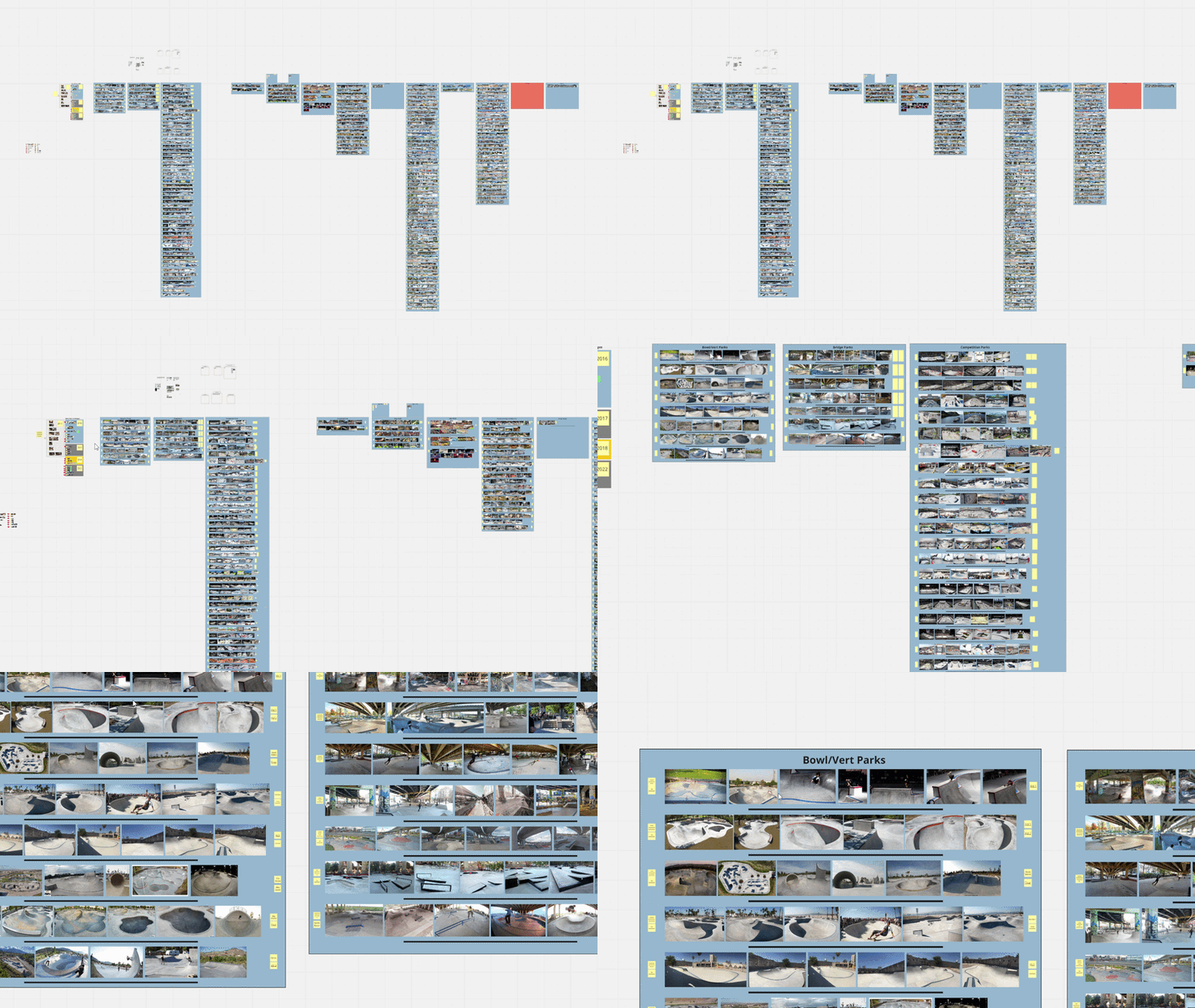
Before a single layout was designed, I built a massive Miro board of real-world skateparks — research that paid dividends through every design decision that followed.
The result: more than twenty distinct layouts per plot, totalling around sixty skateparks — all live and rotating in the game today.
Built a large Miro board of real-world skateparks before any layout work began.
Modeled and shipped 115 new pieces in Maya, growing the kit from 85 → 200 pieces.
Designed 20+ layouts per plot — each tested and iterated until movement felt right.
Layouts rotate daily so players always have something new to skate on login.
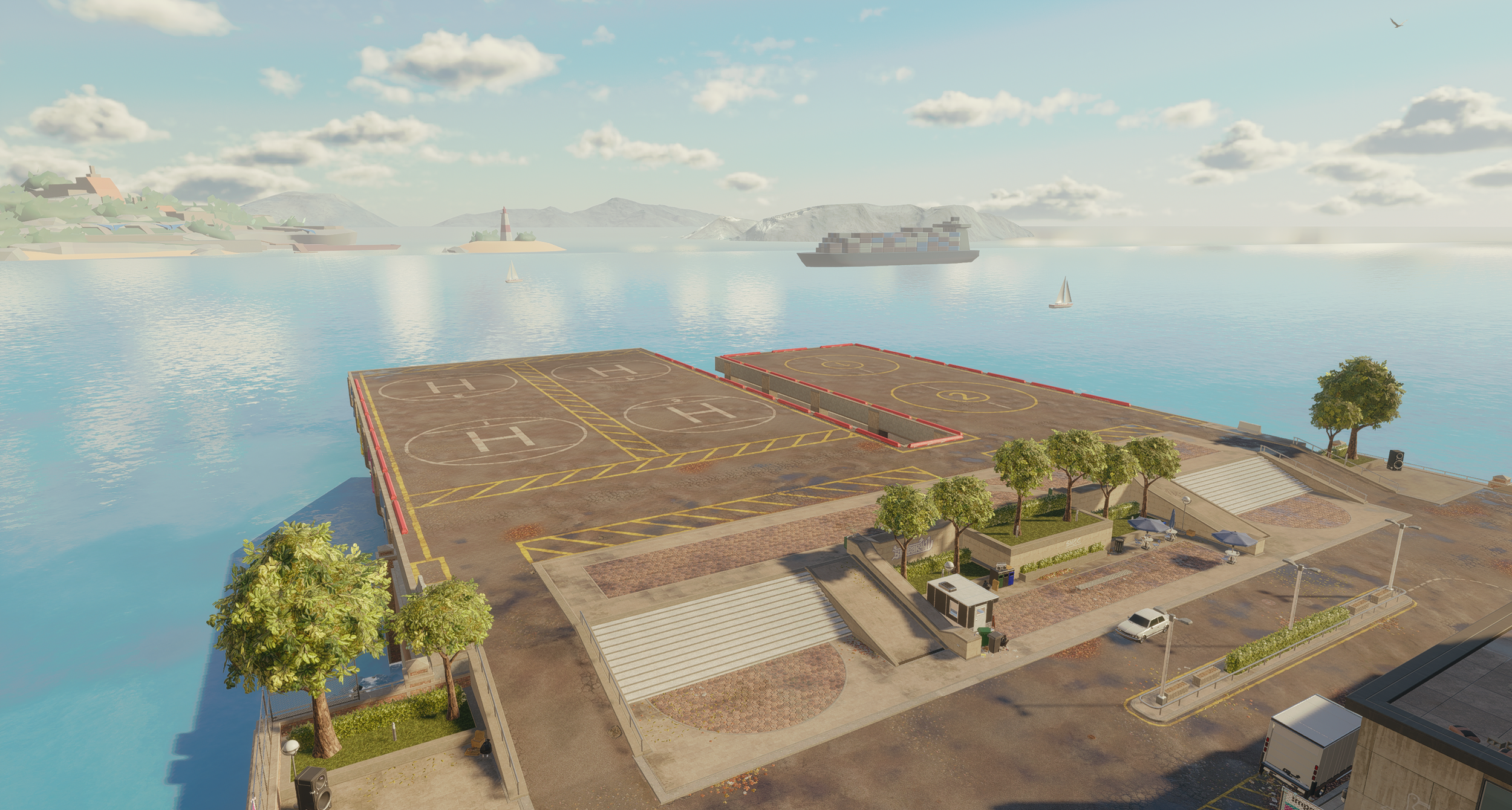
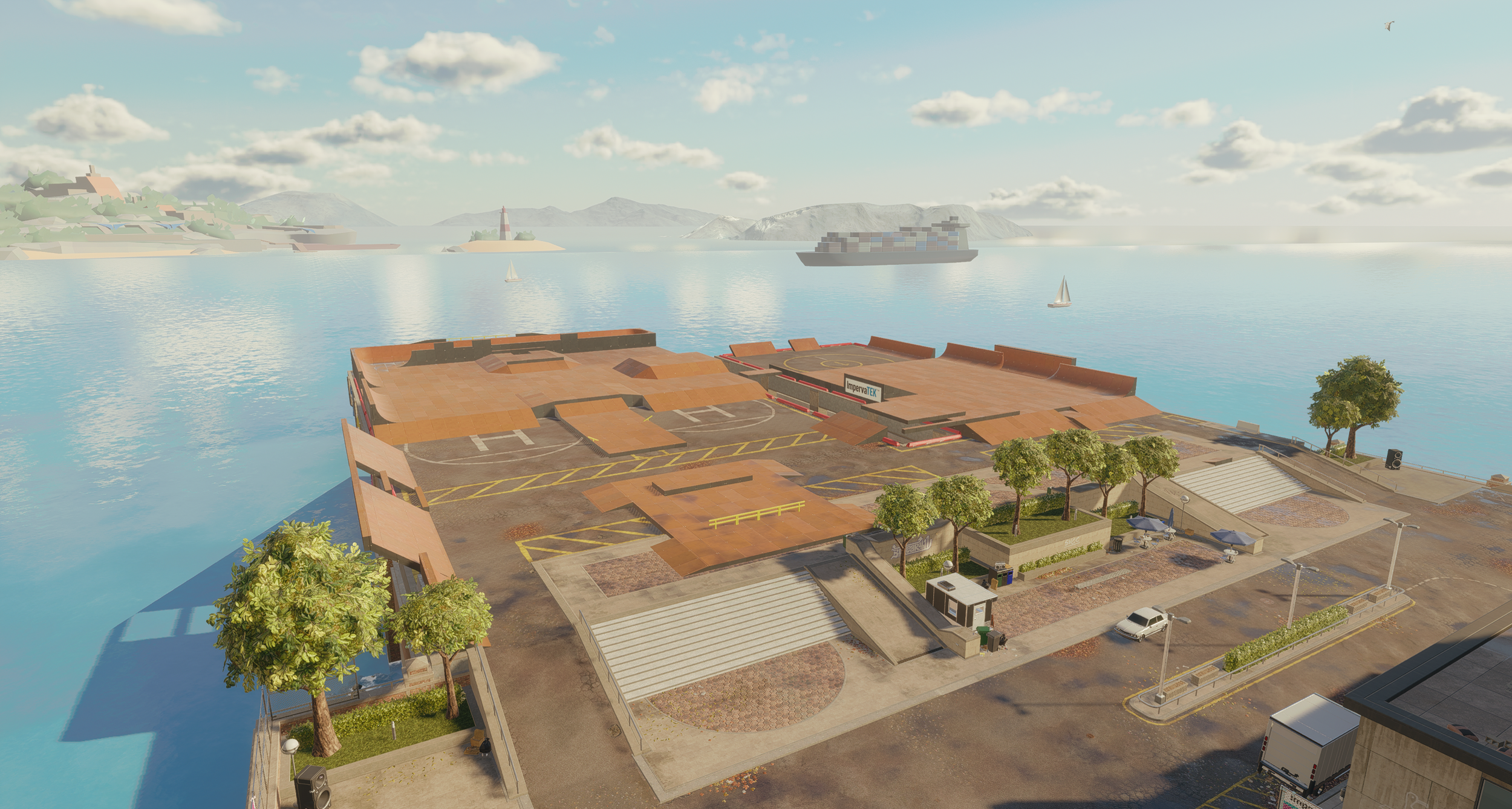
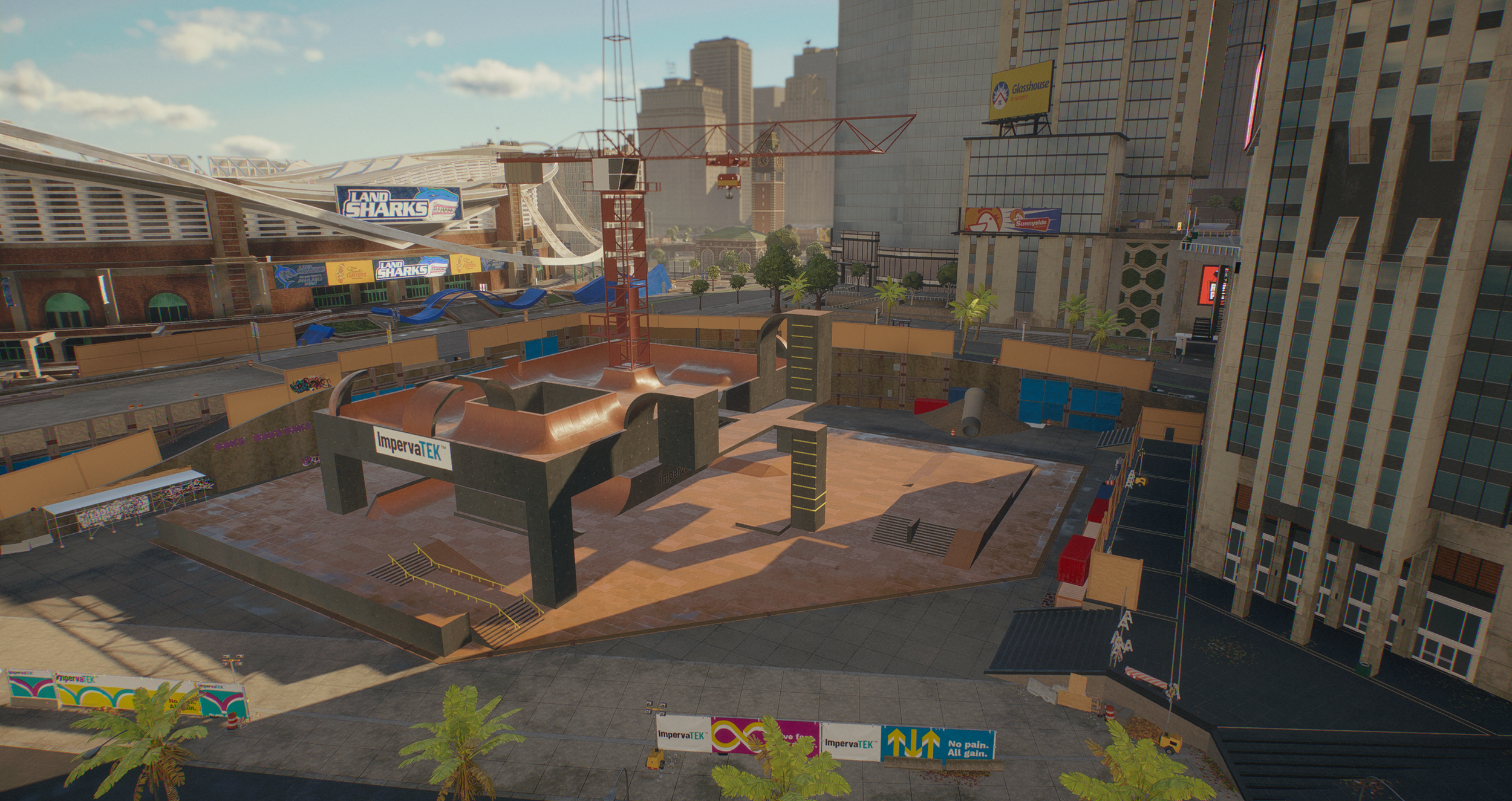
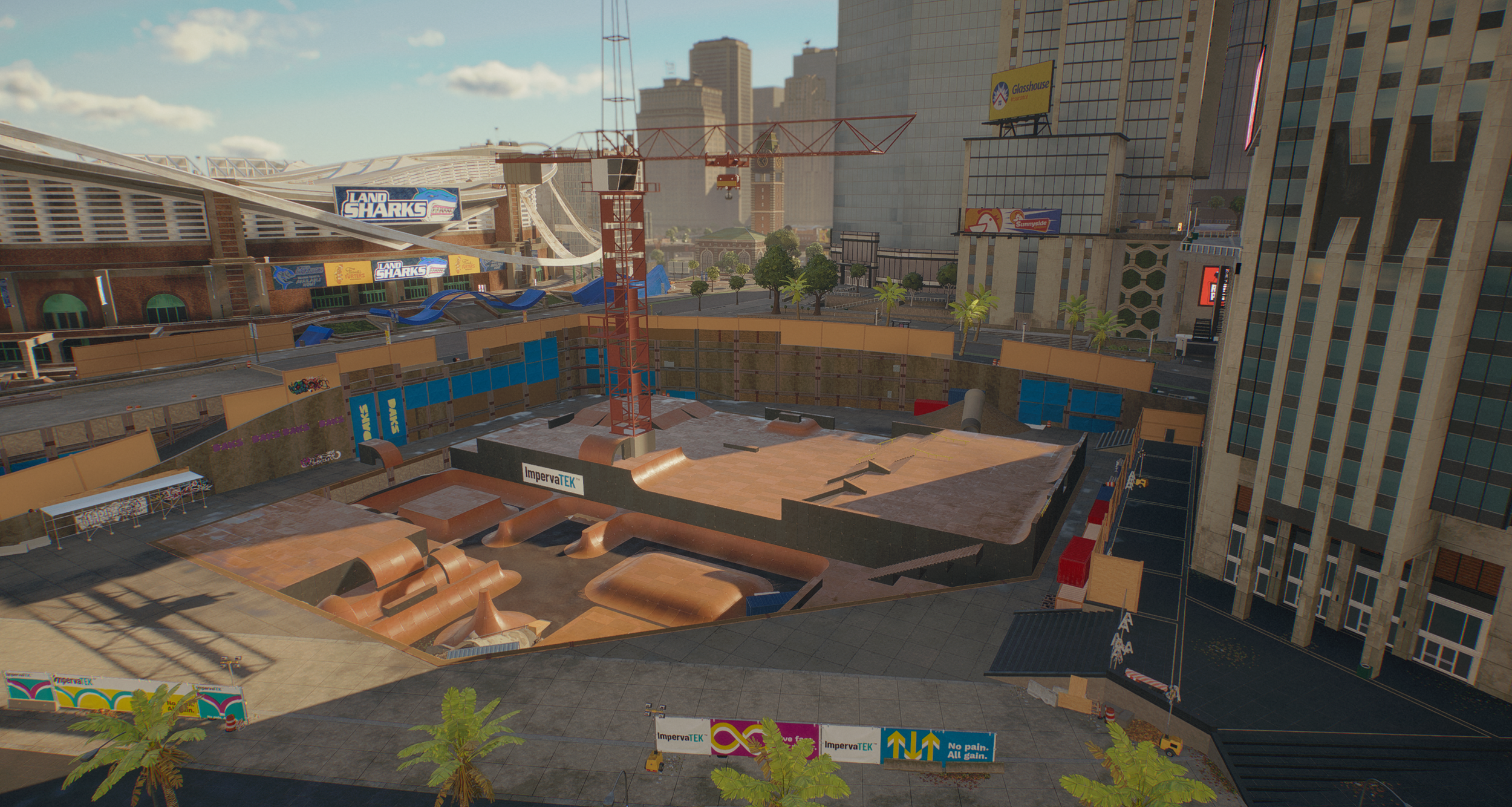
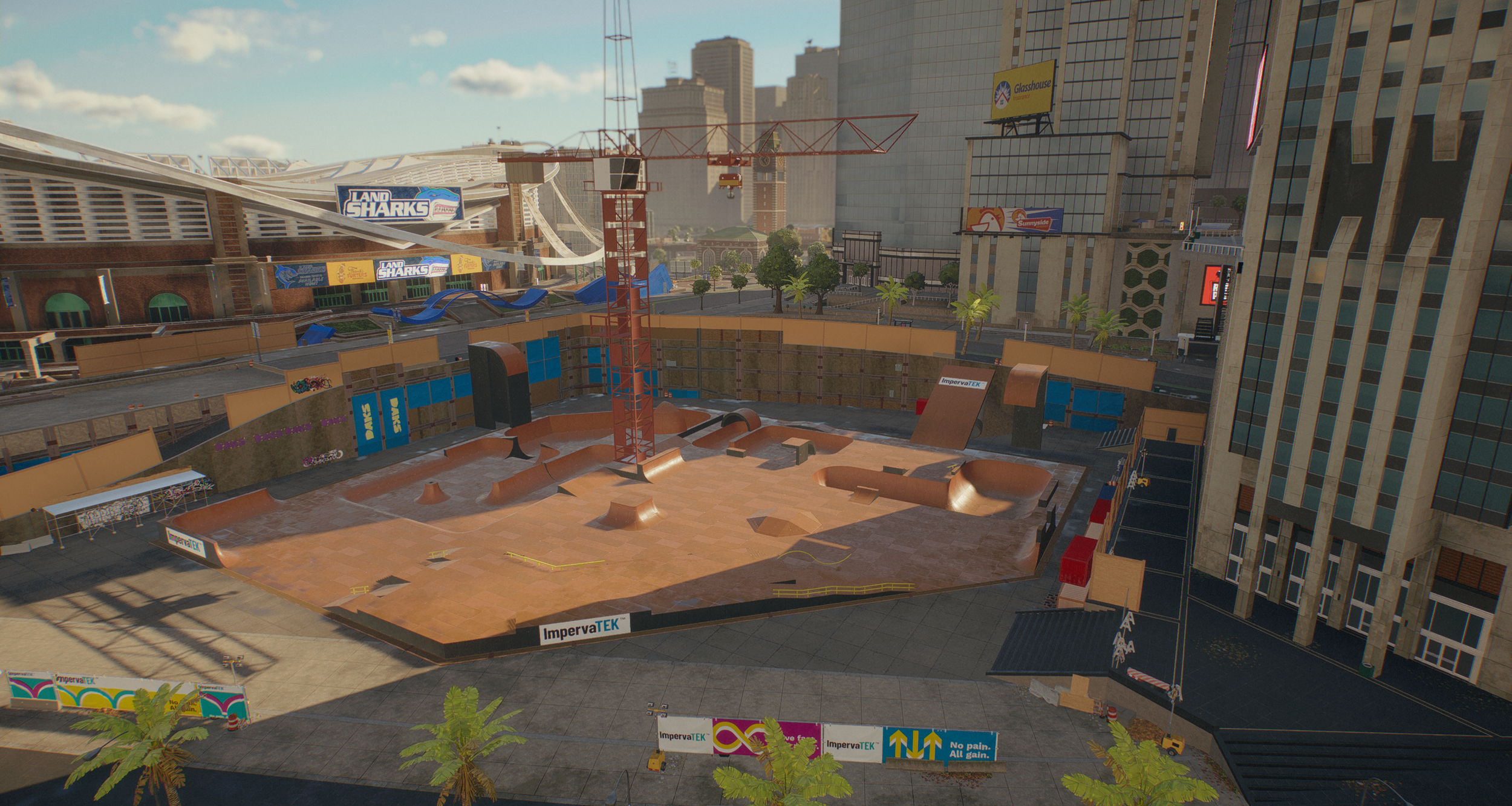
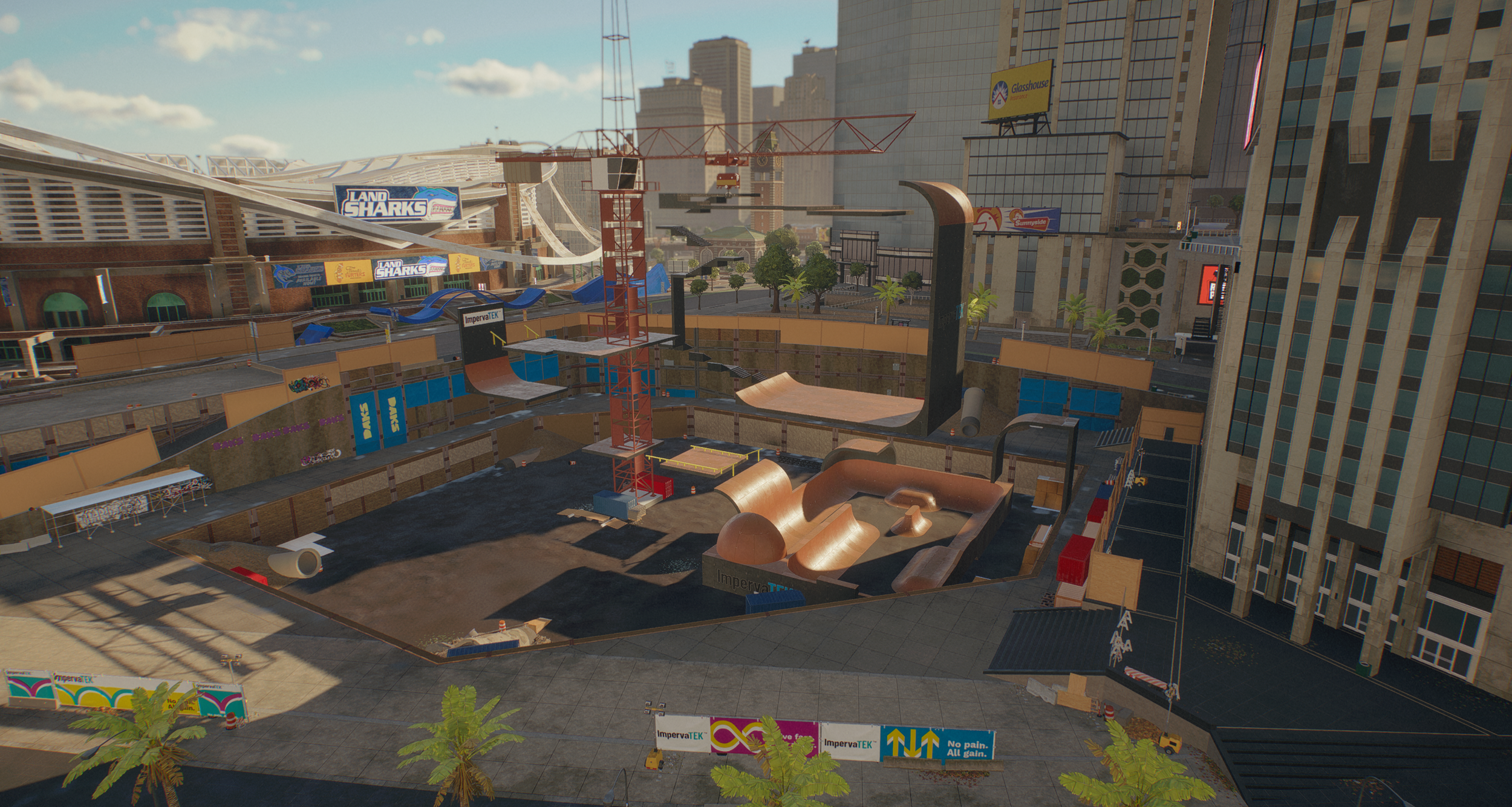
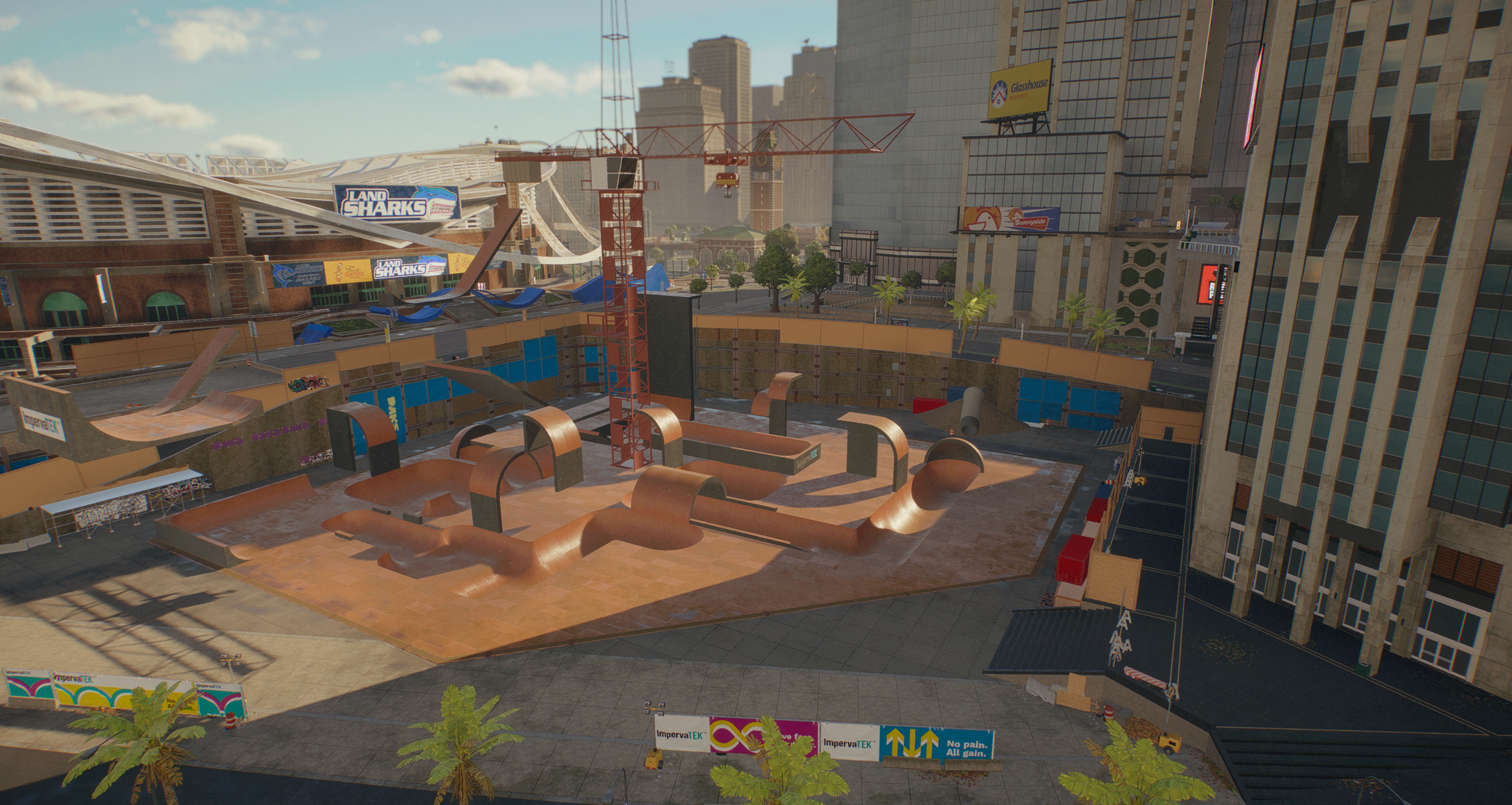
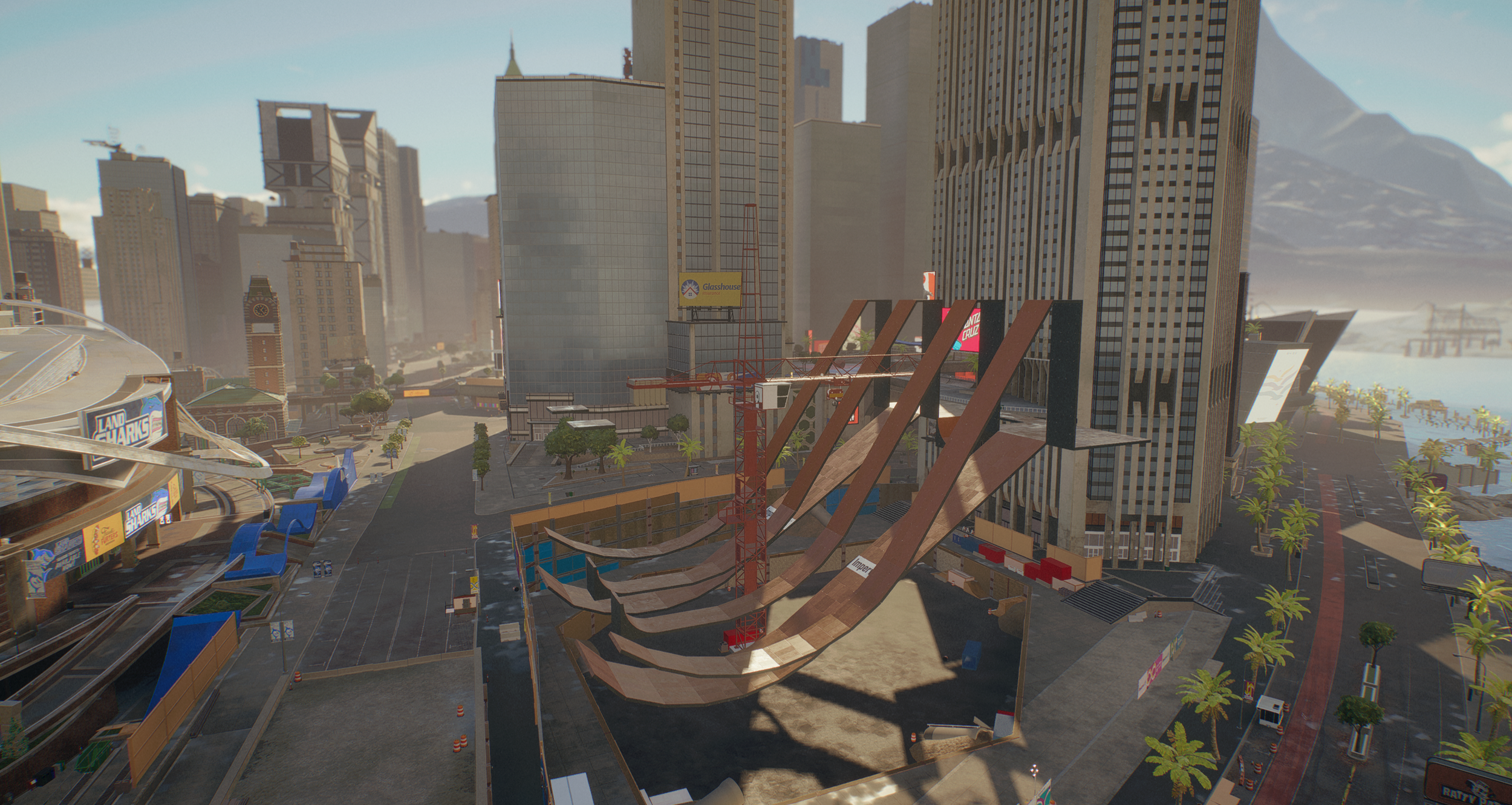
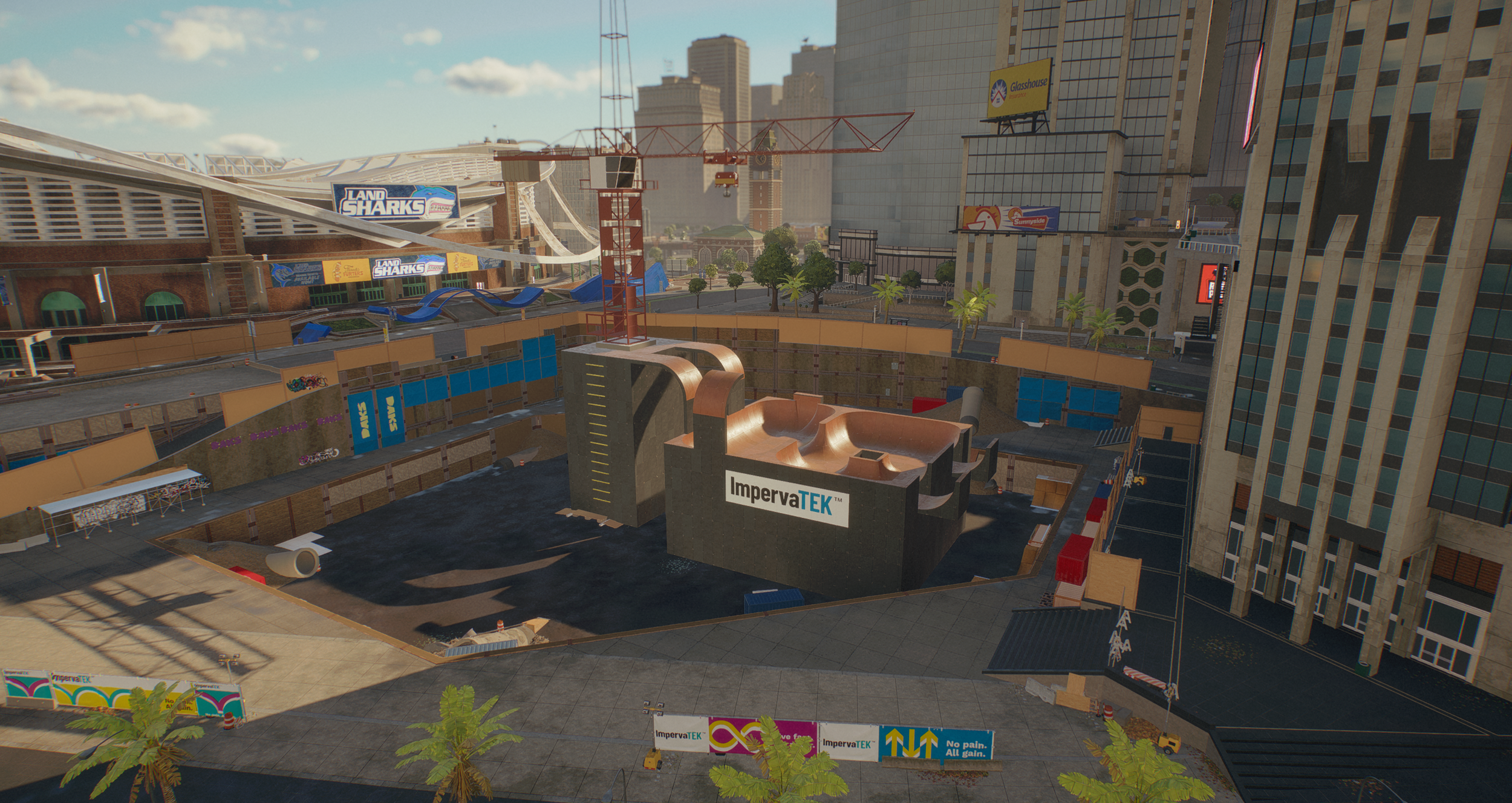
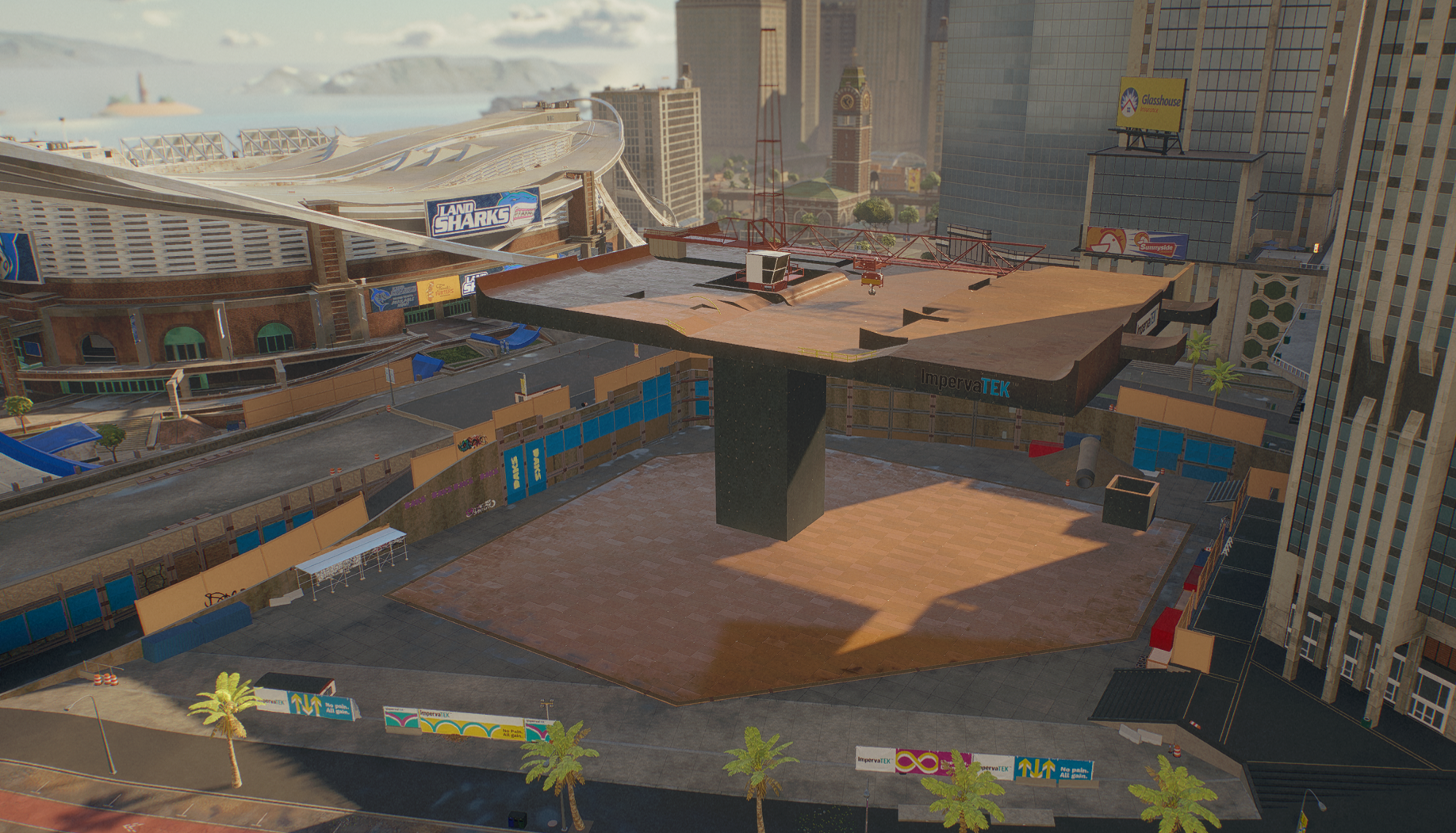
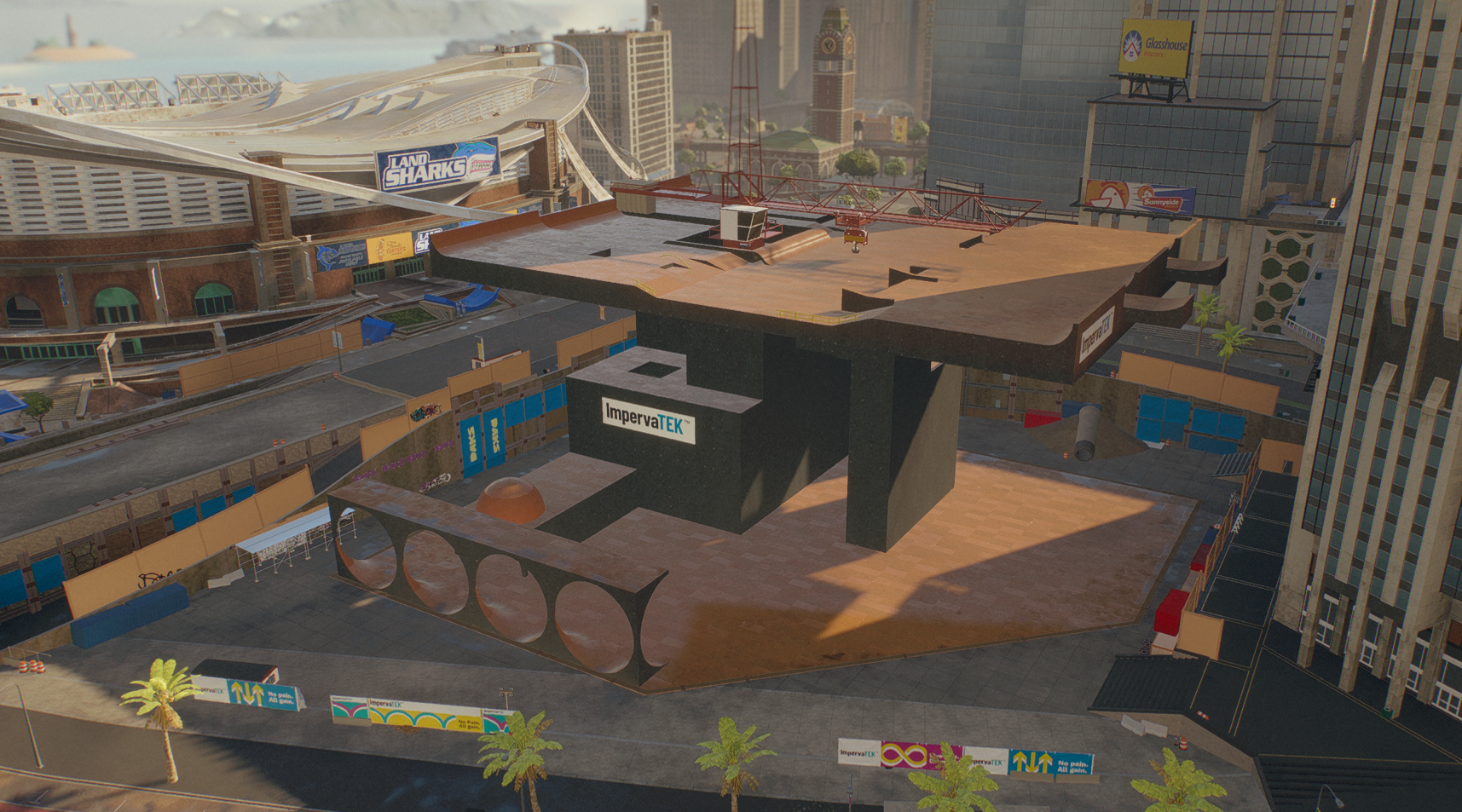
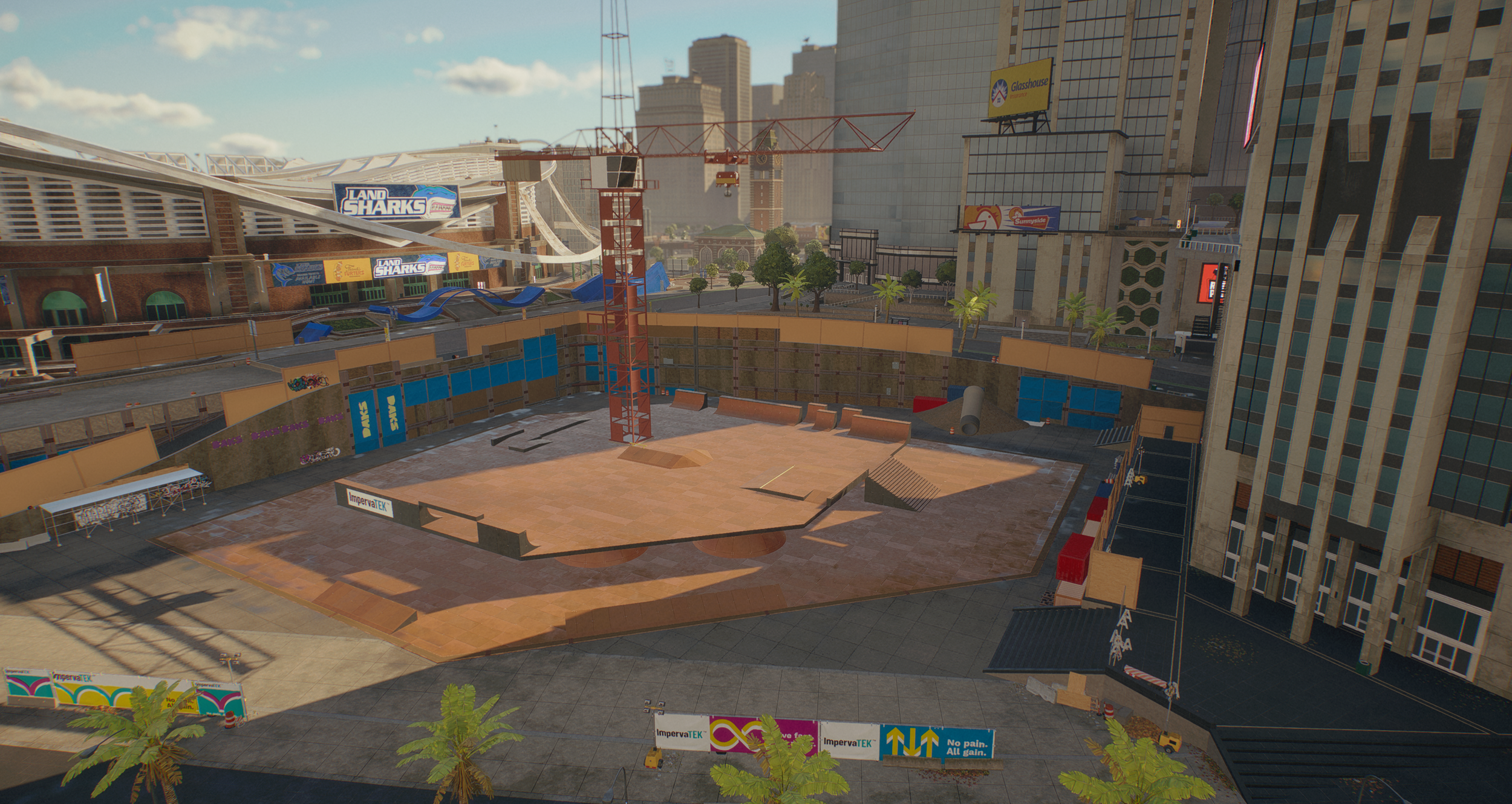
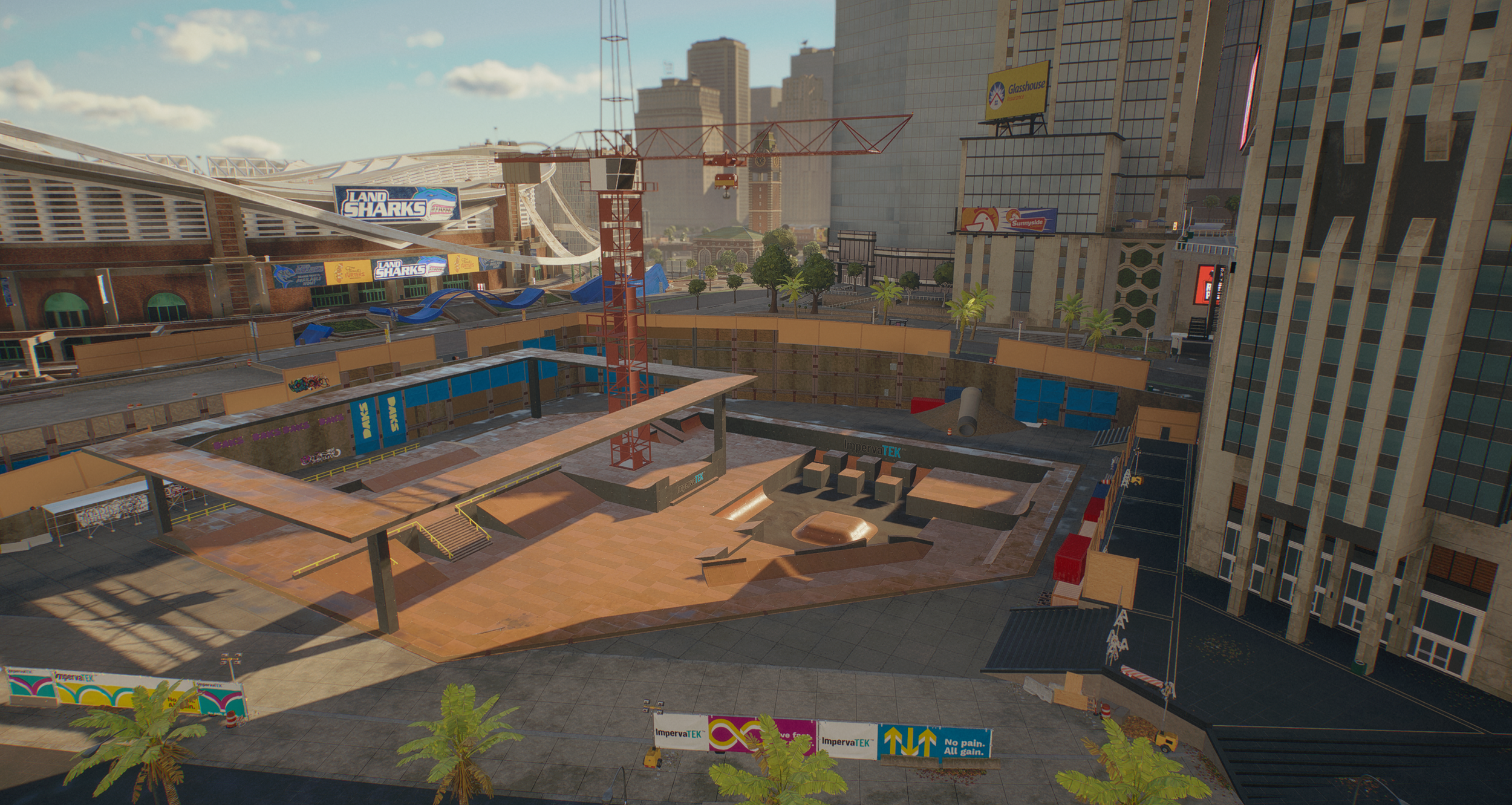
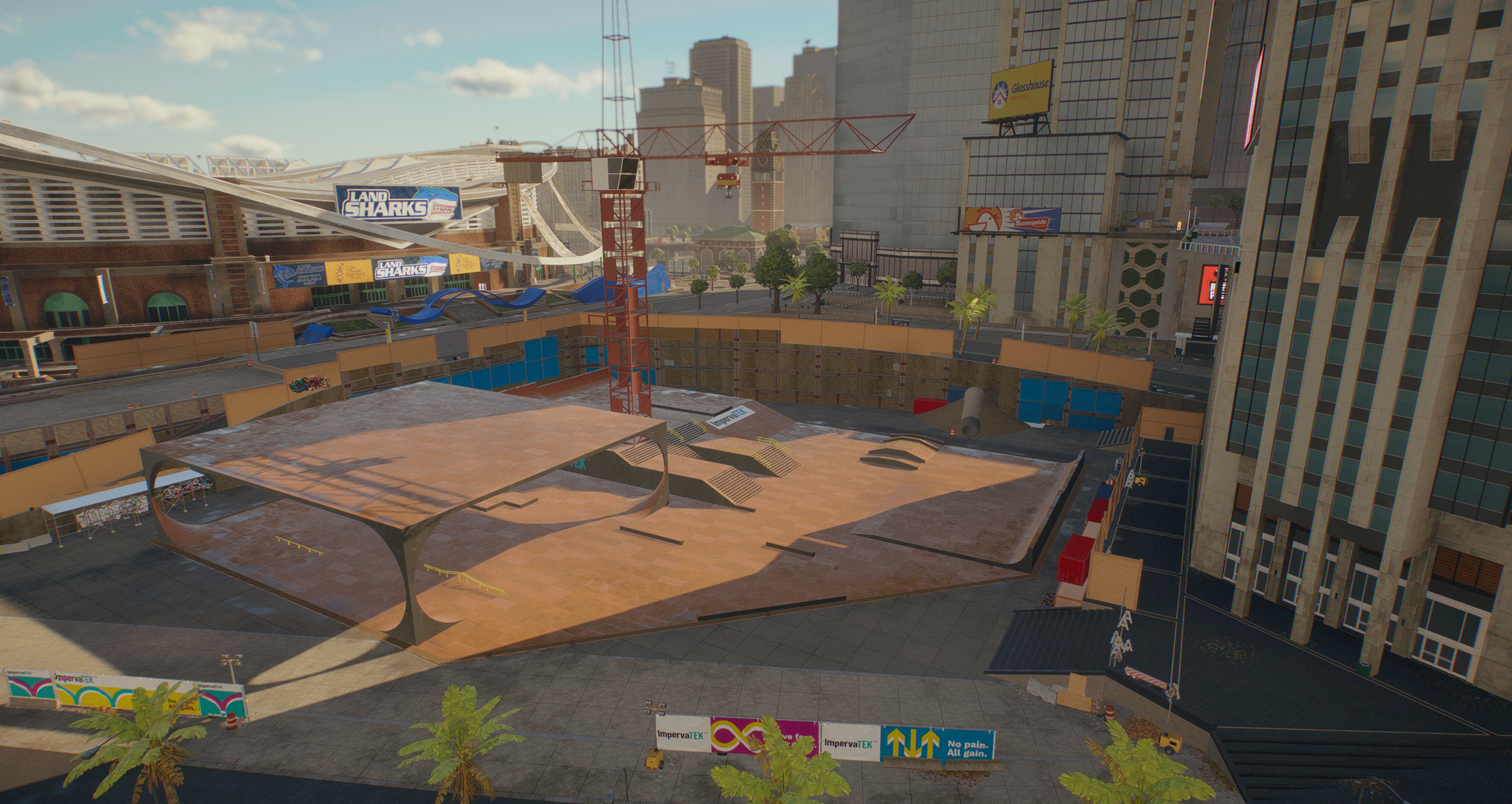
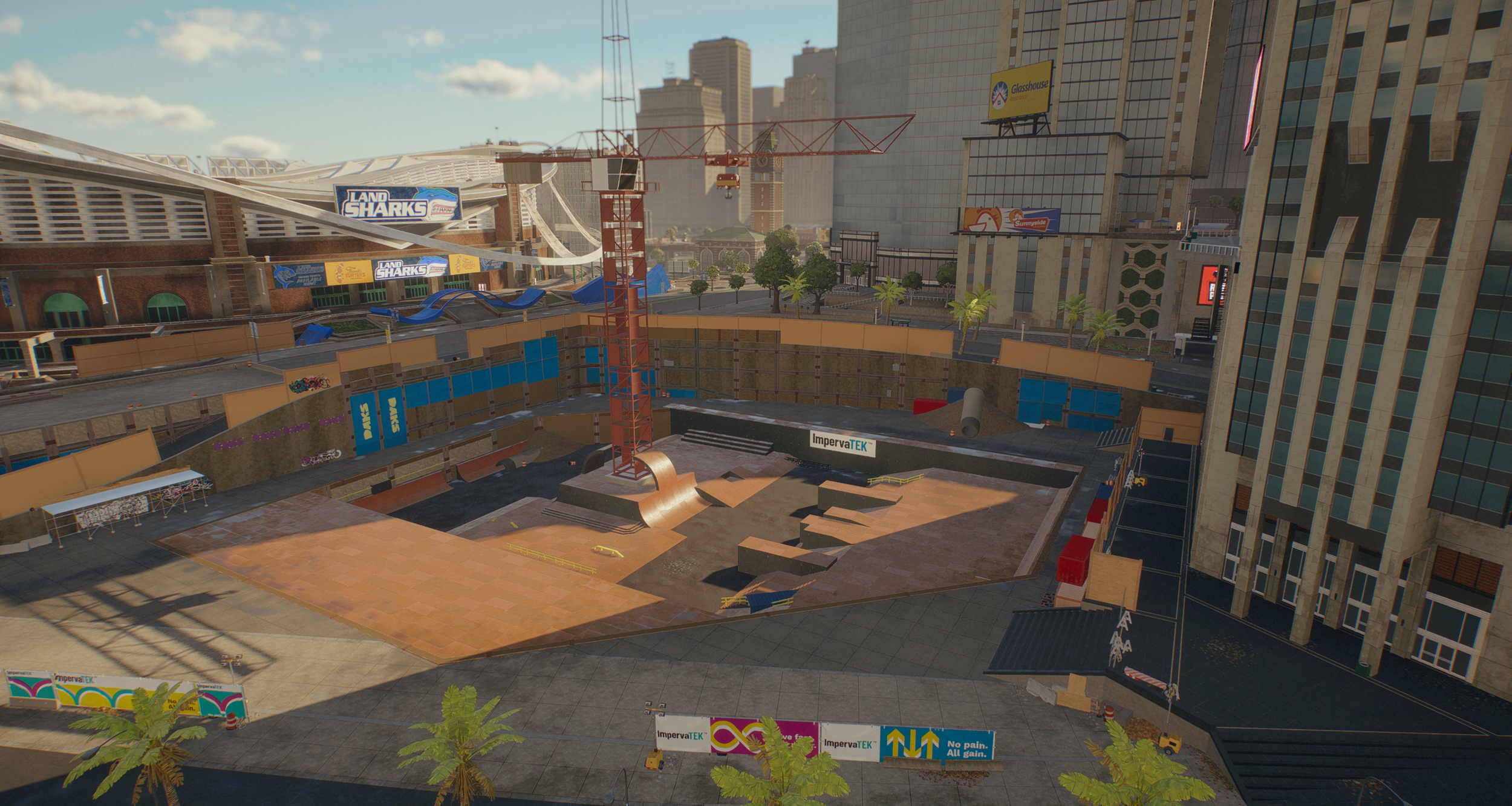
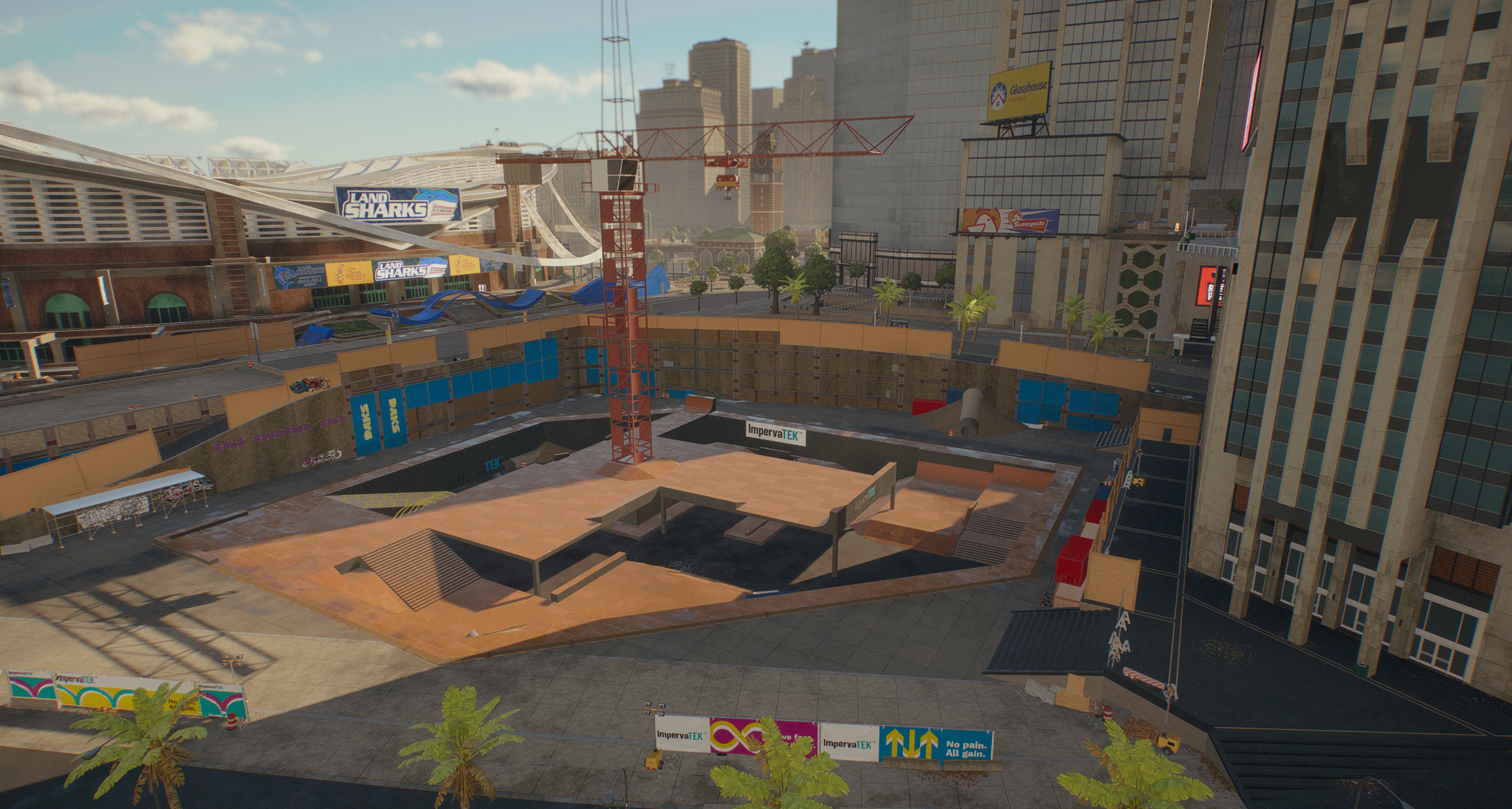
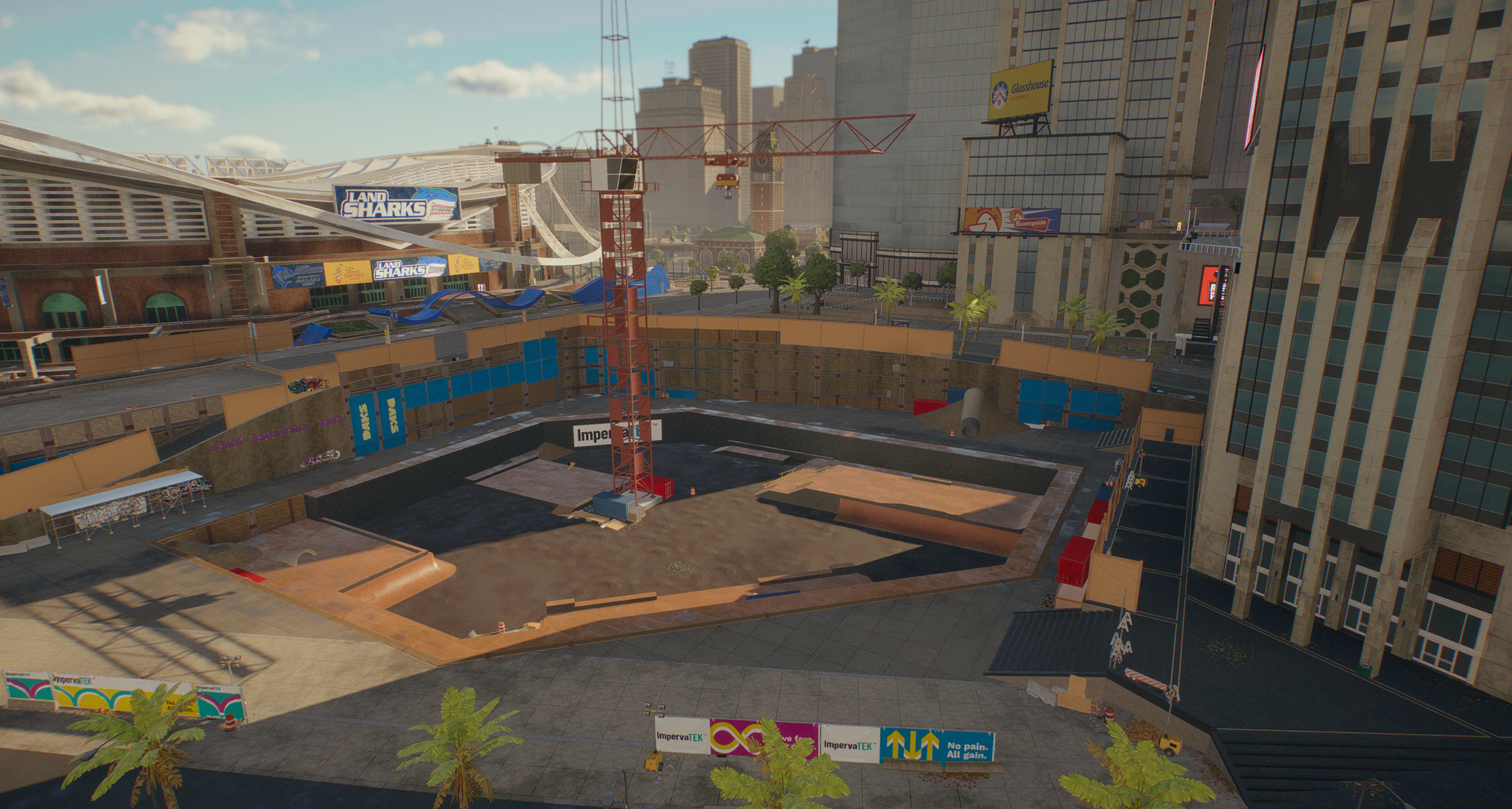
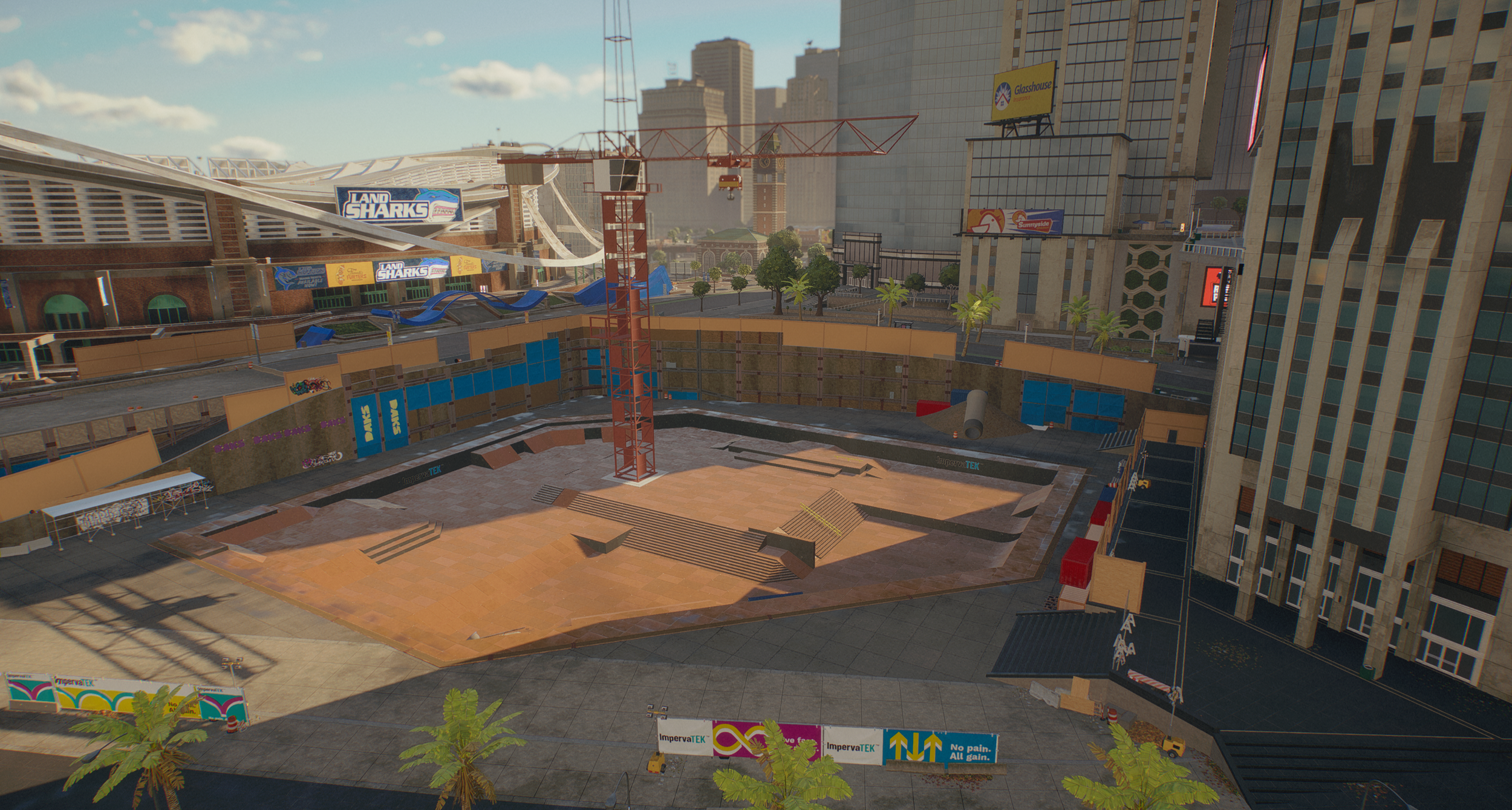
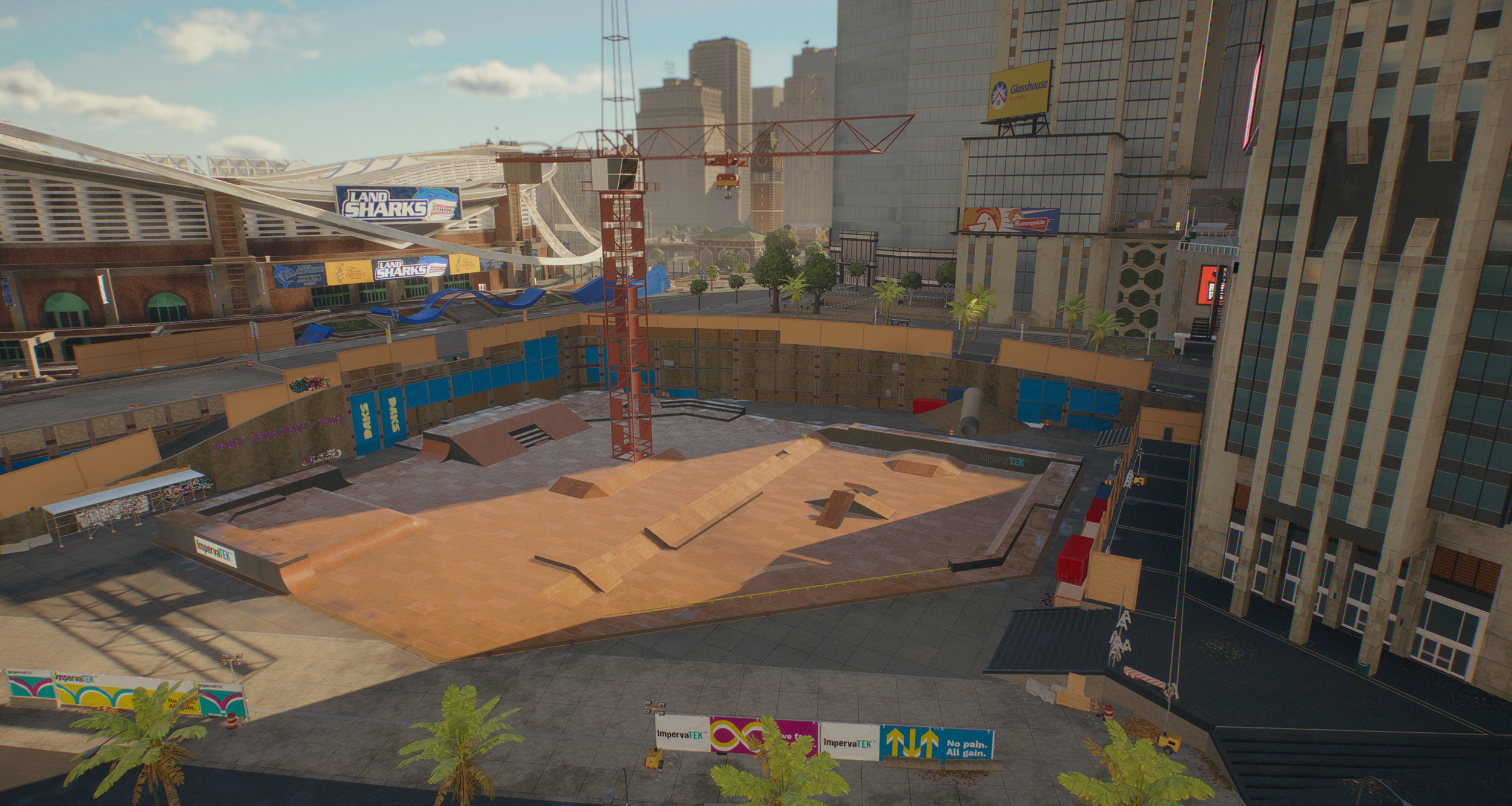
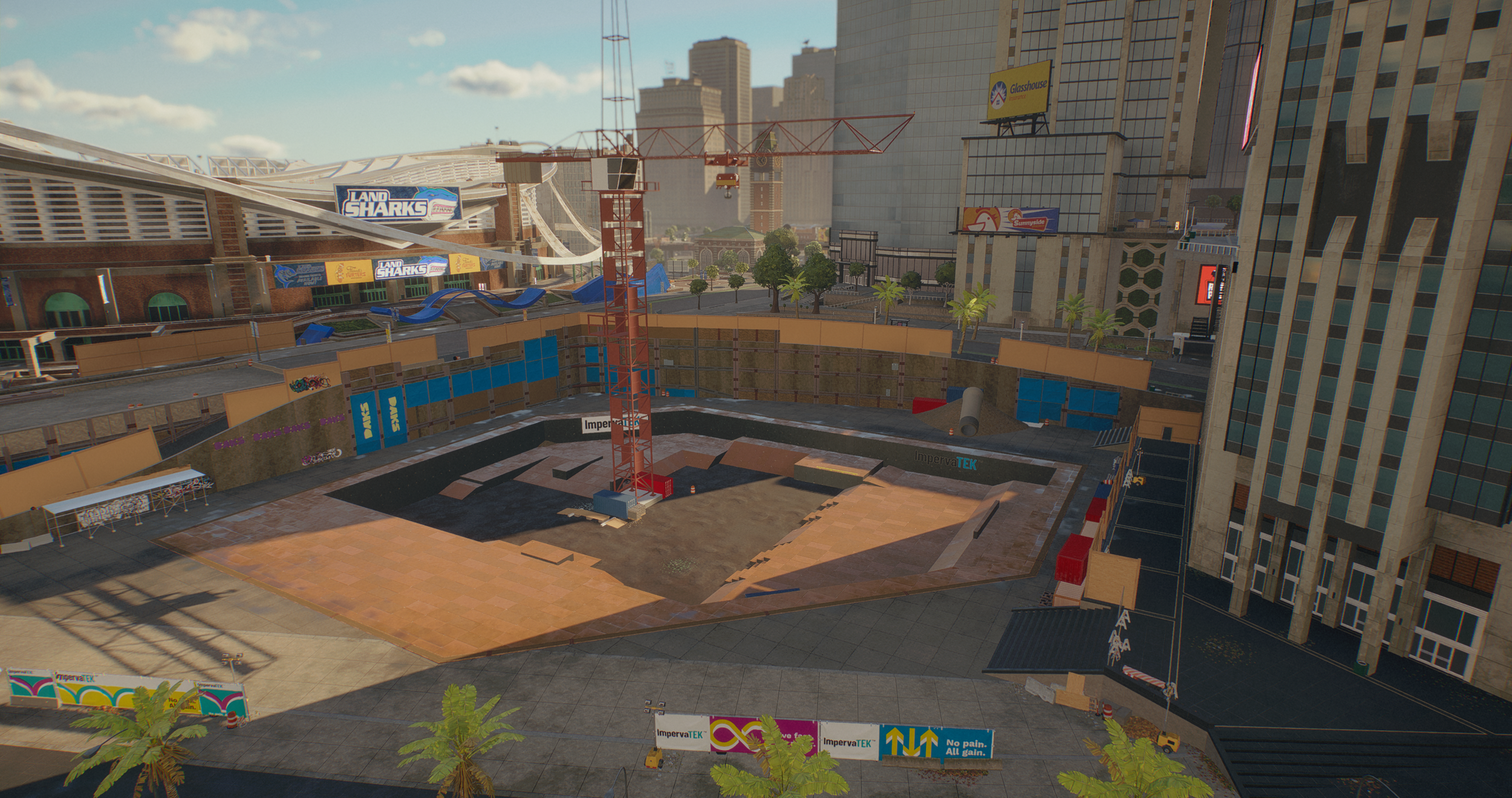
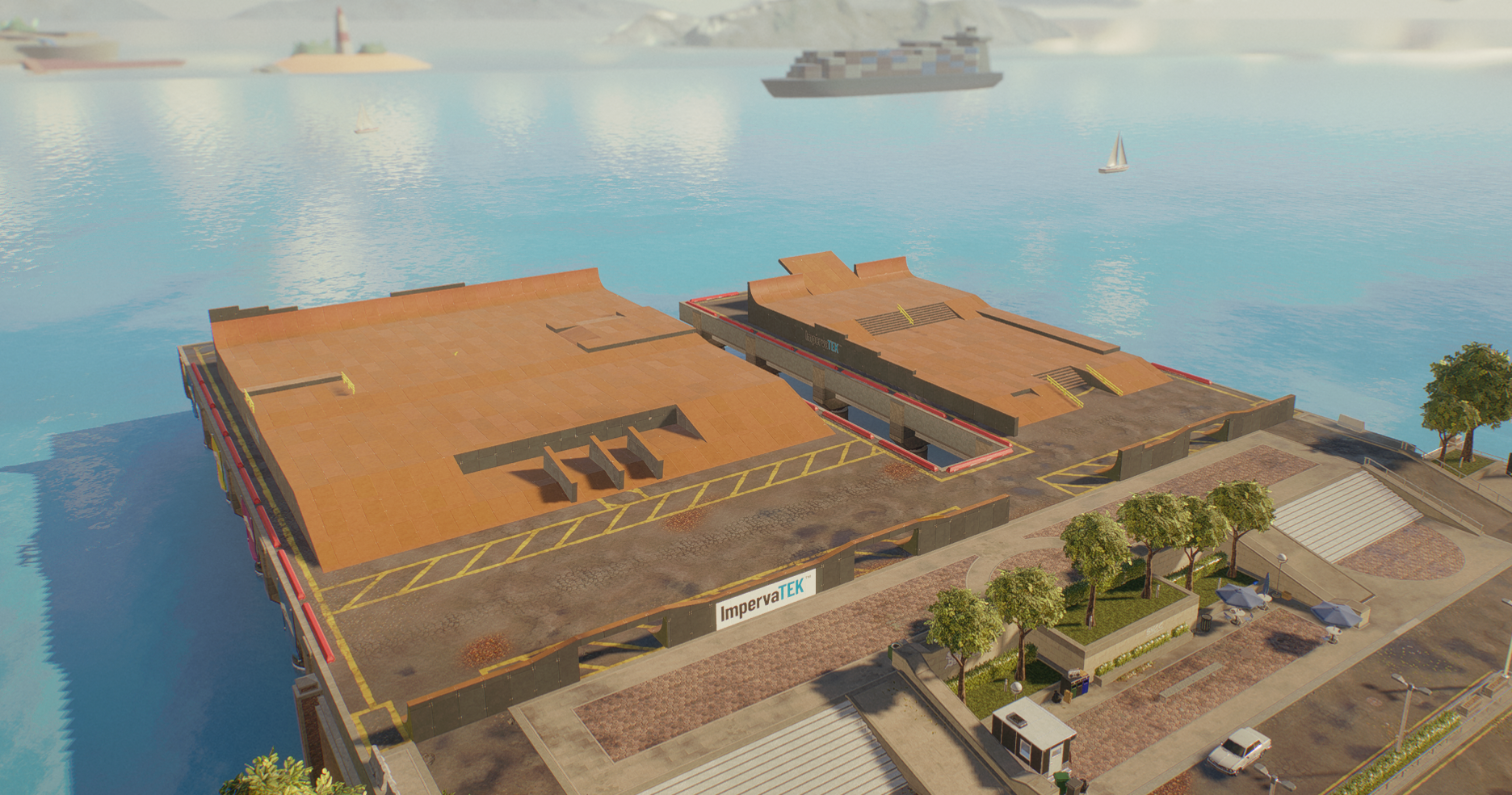
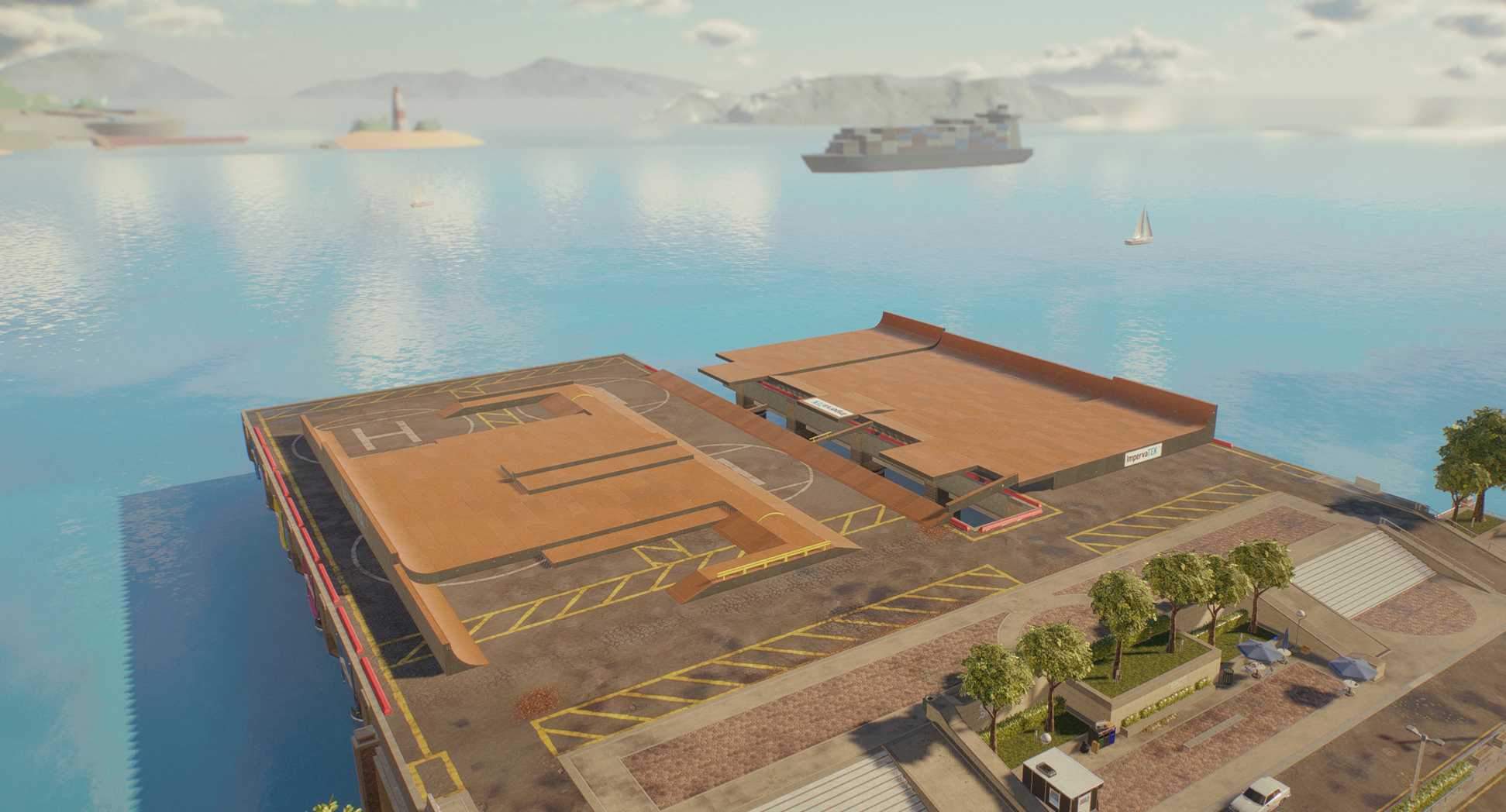
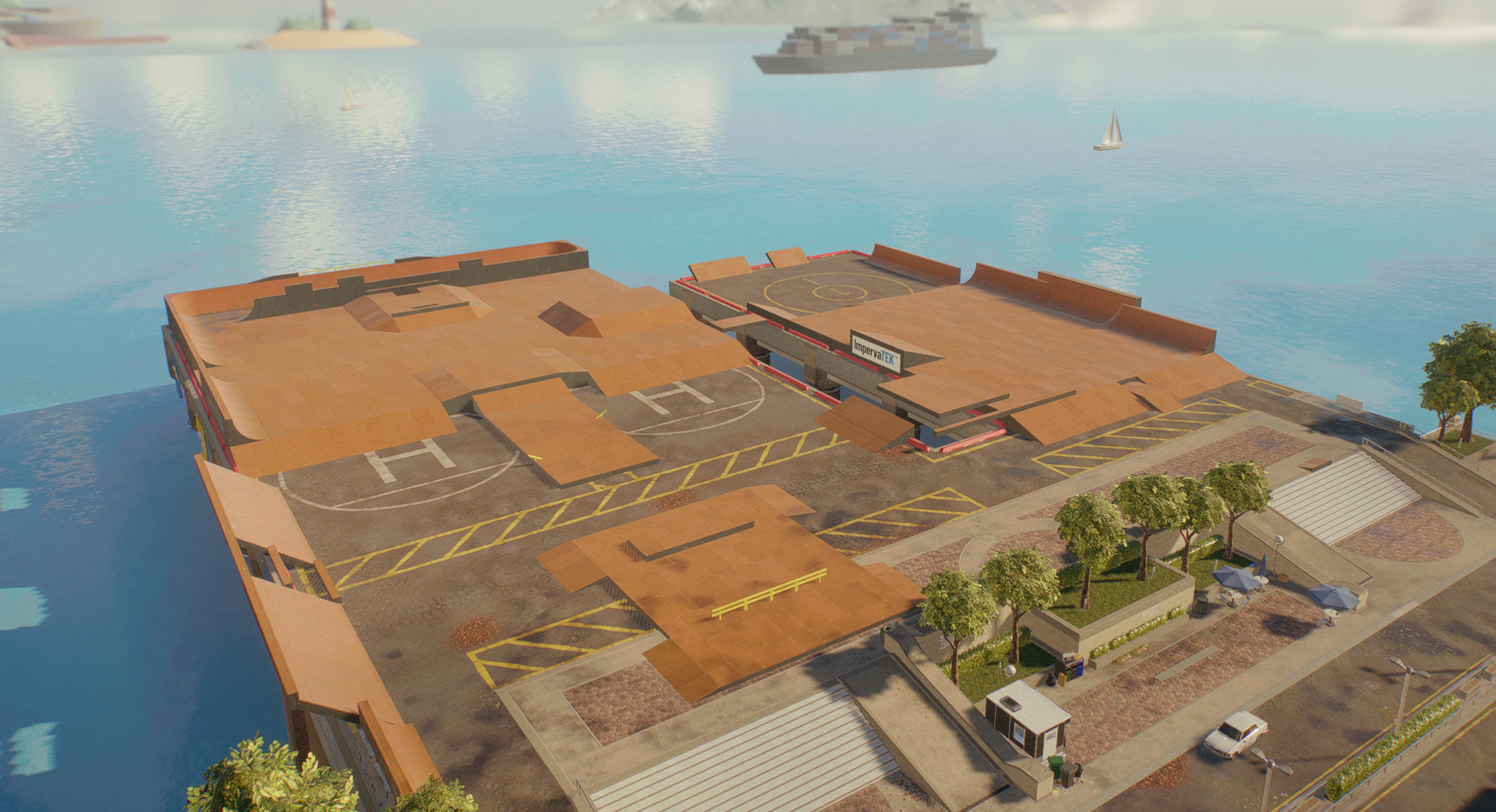
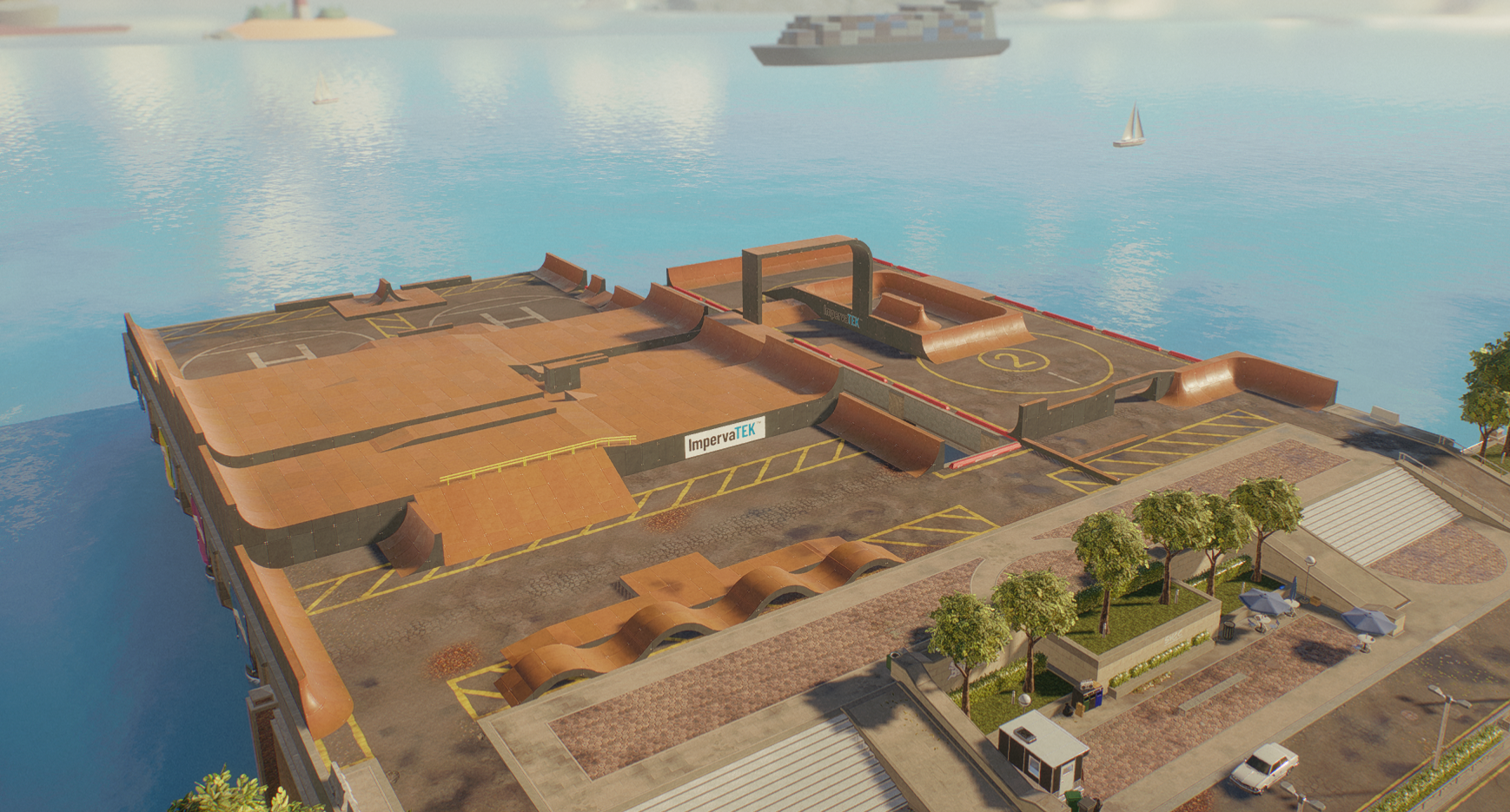
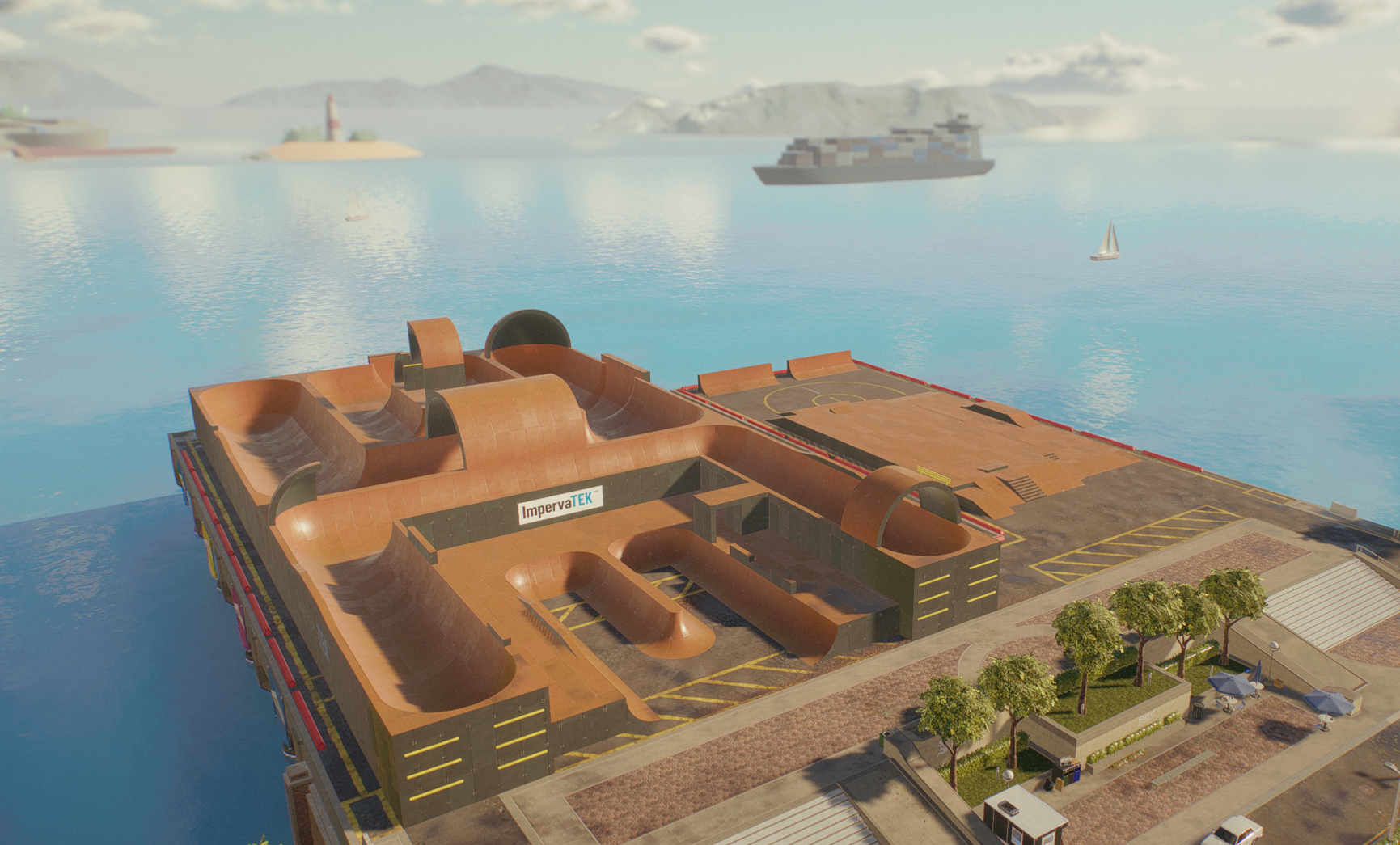
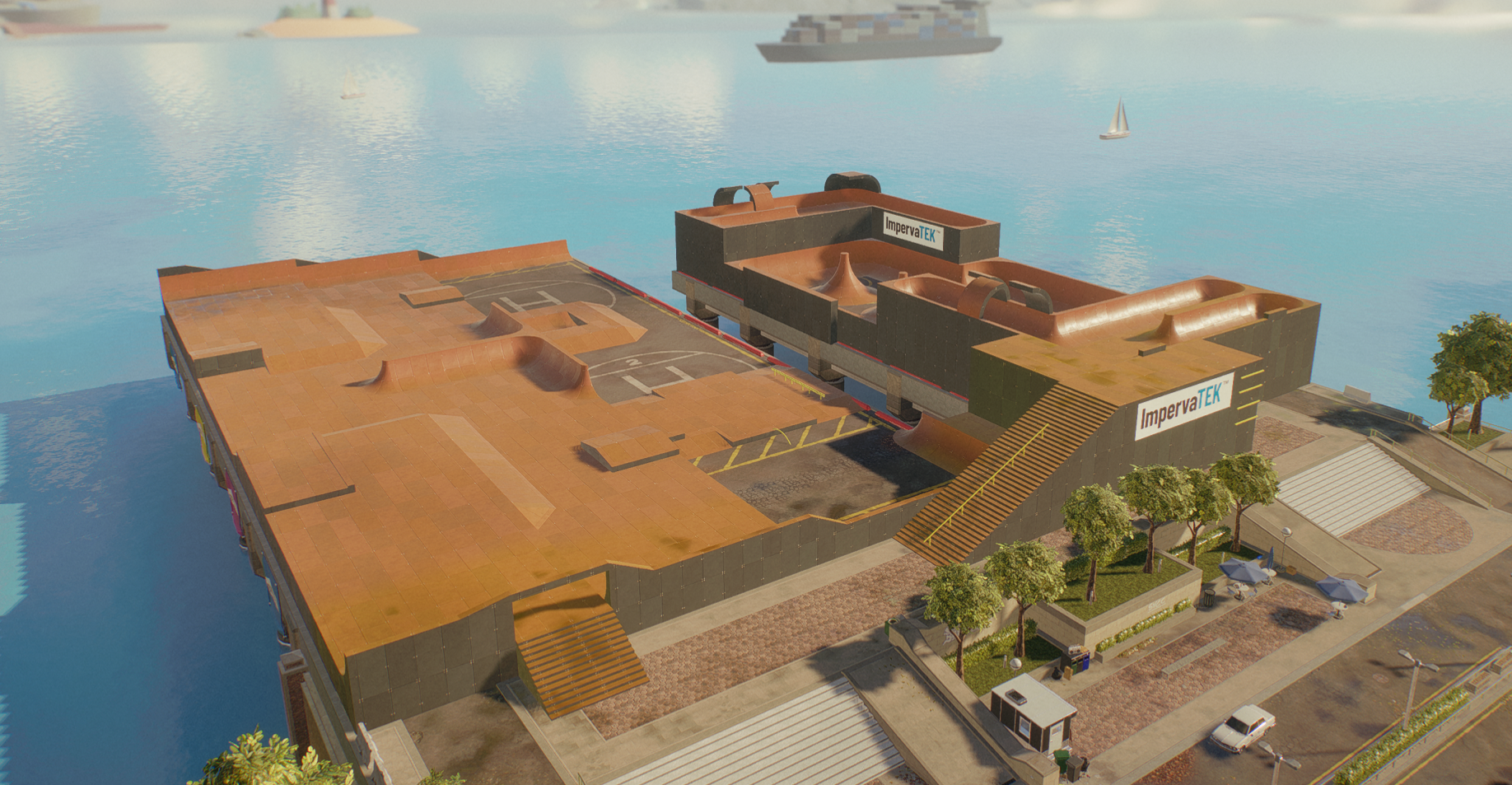
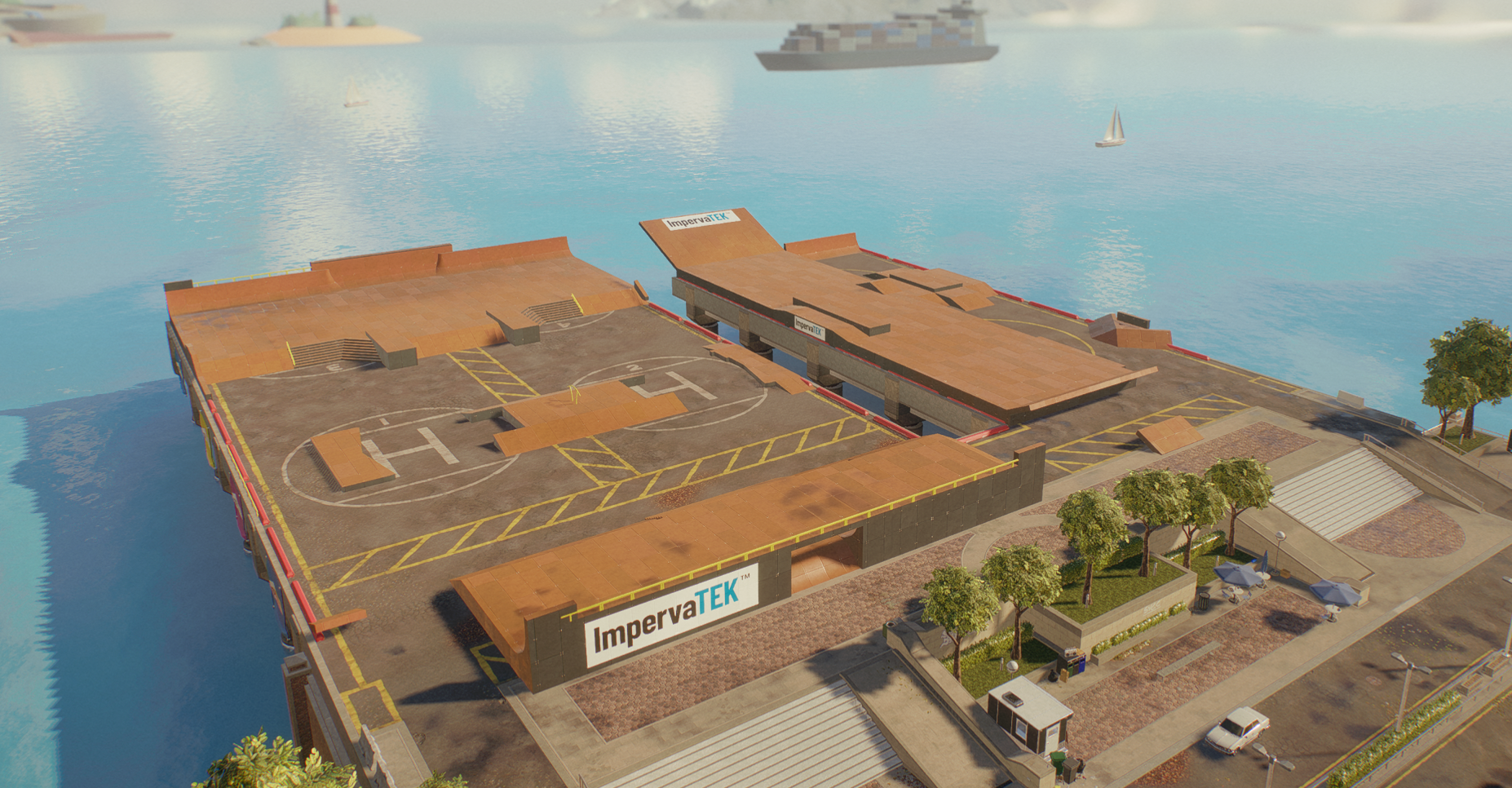
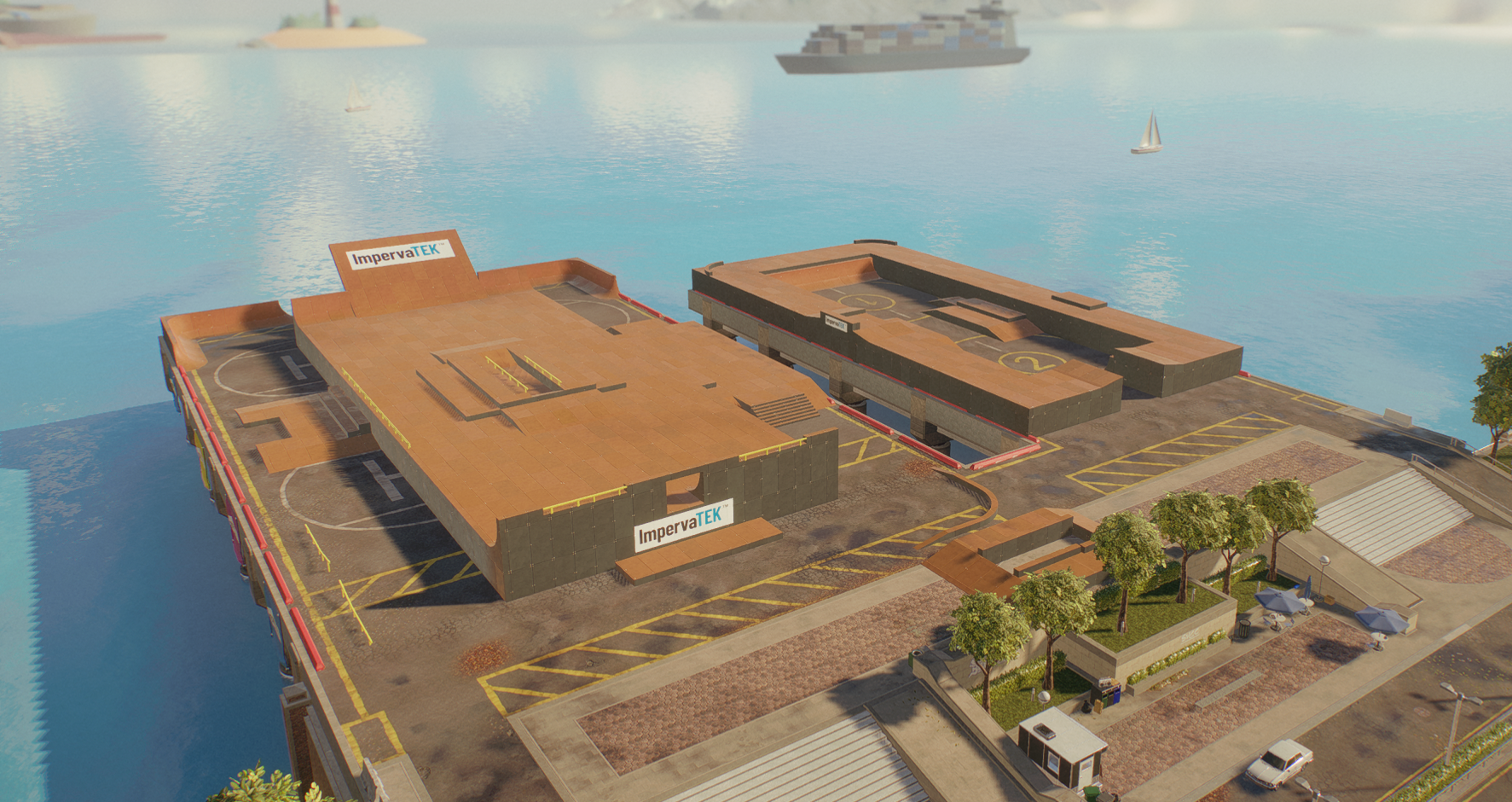
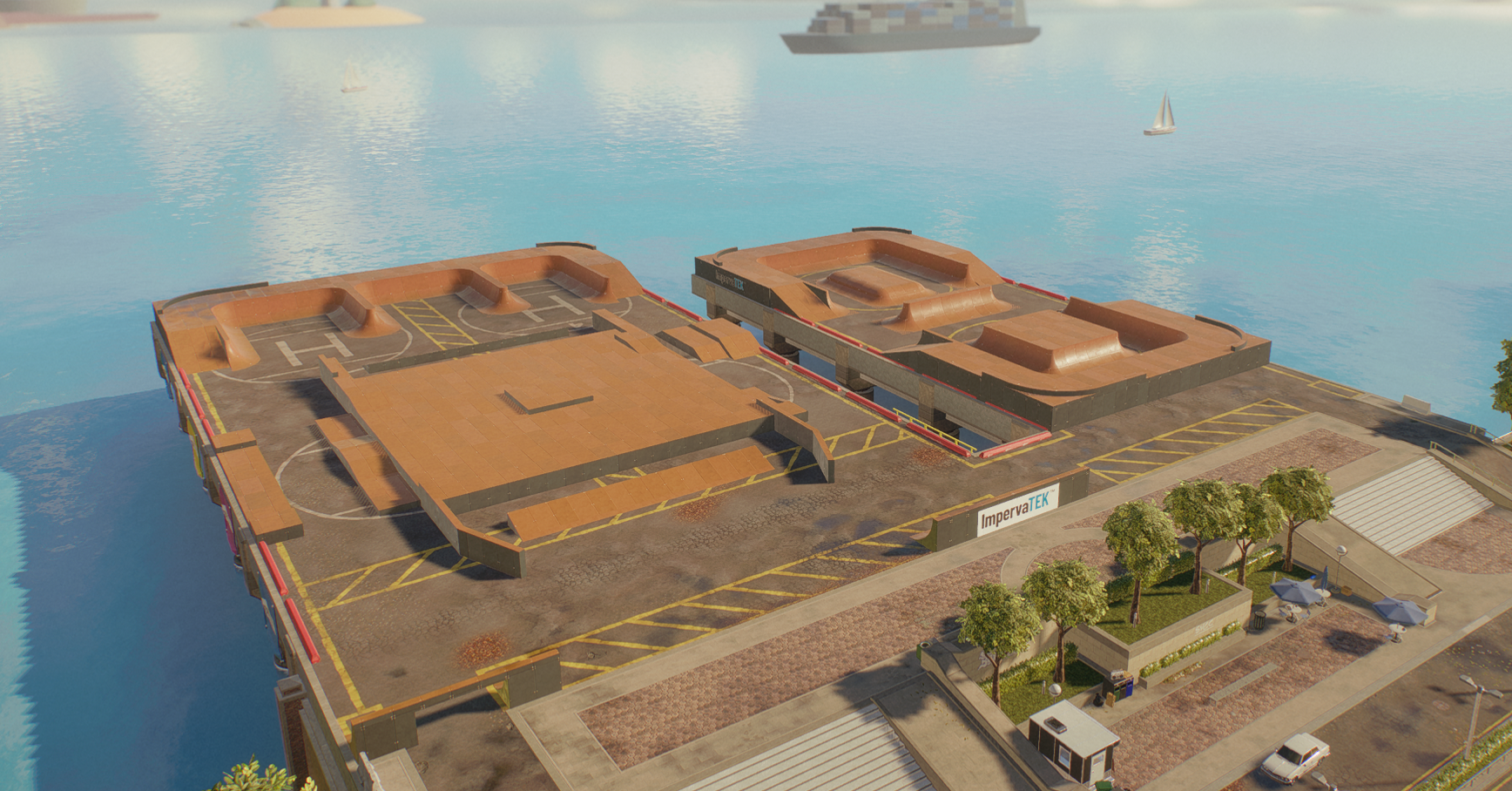
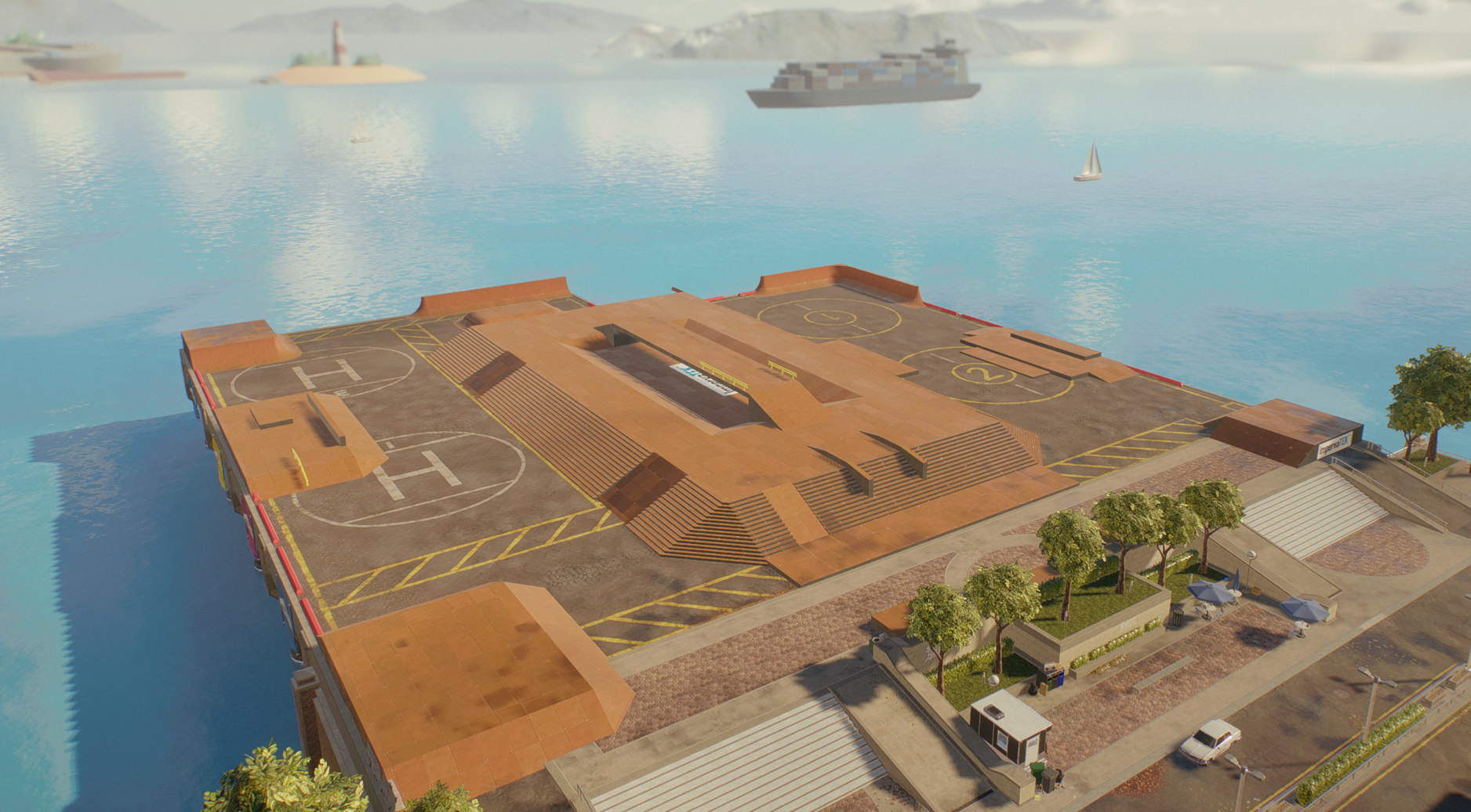
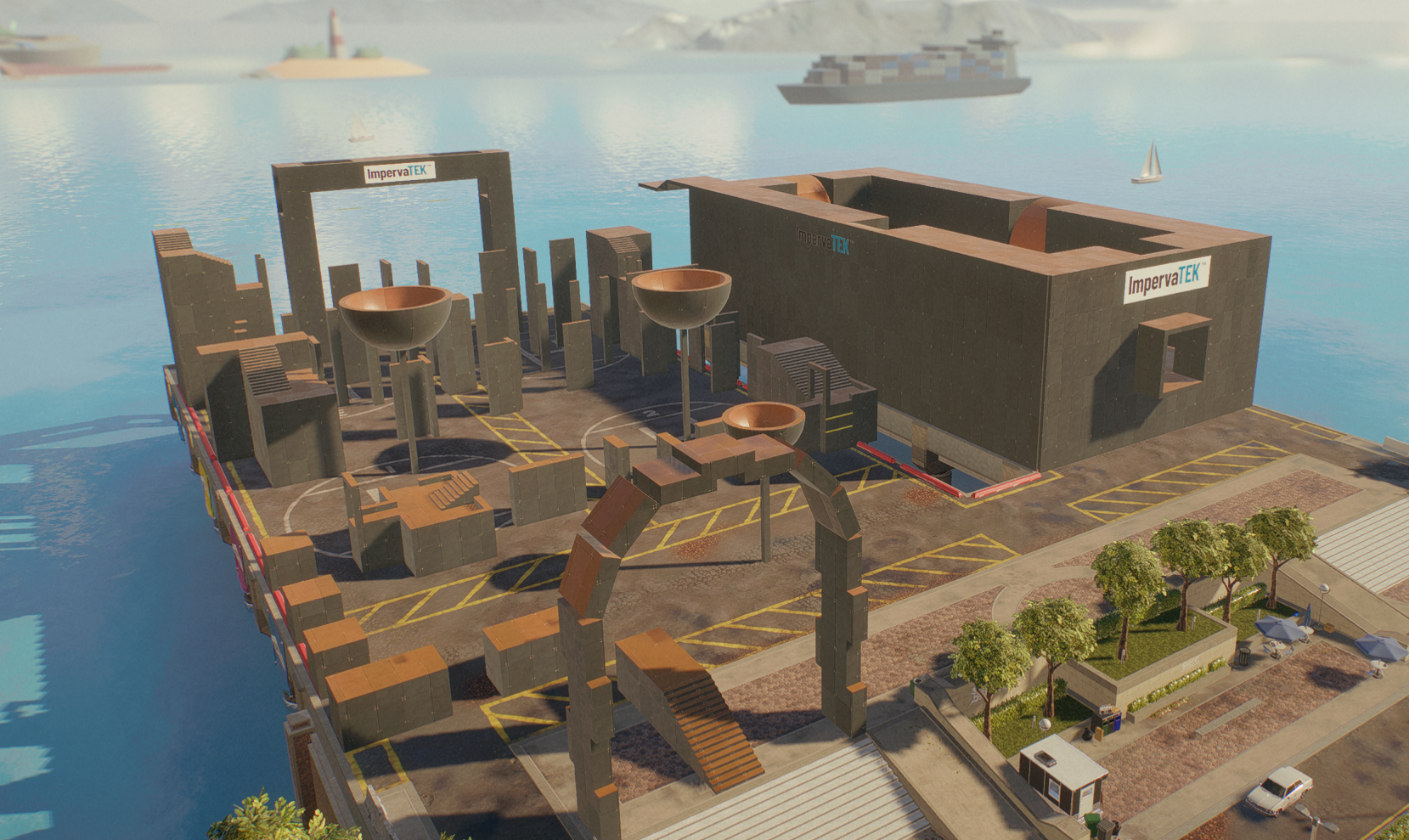
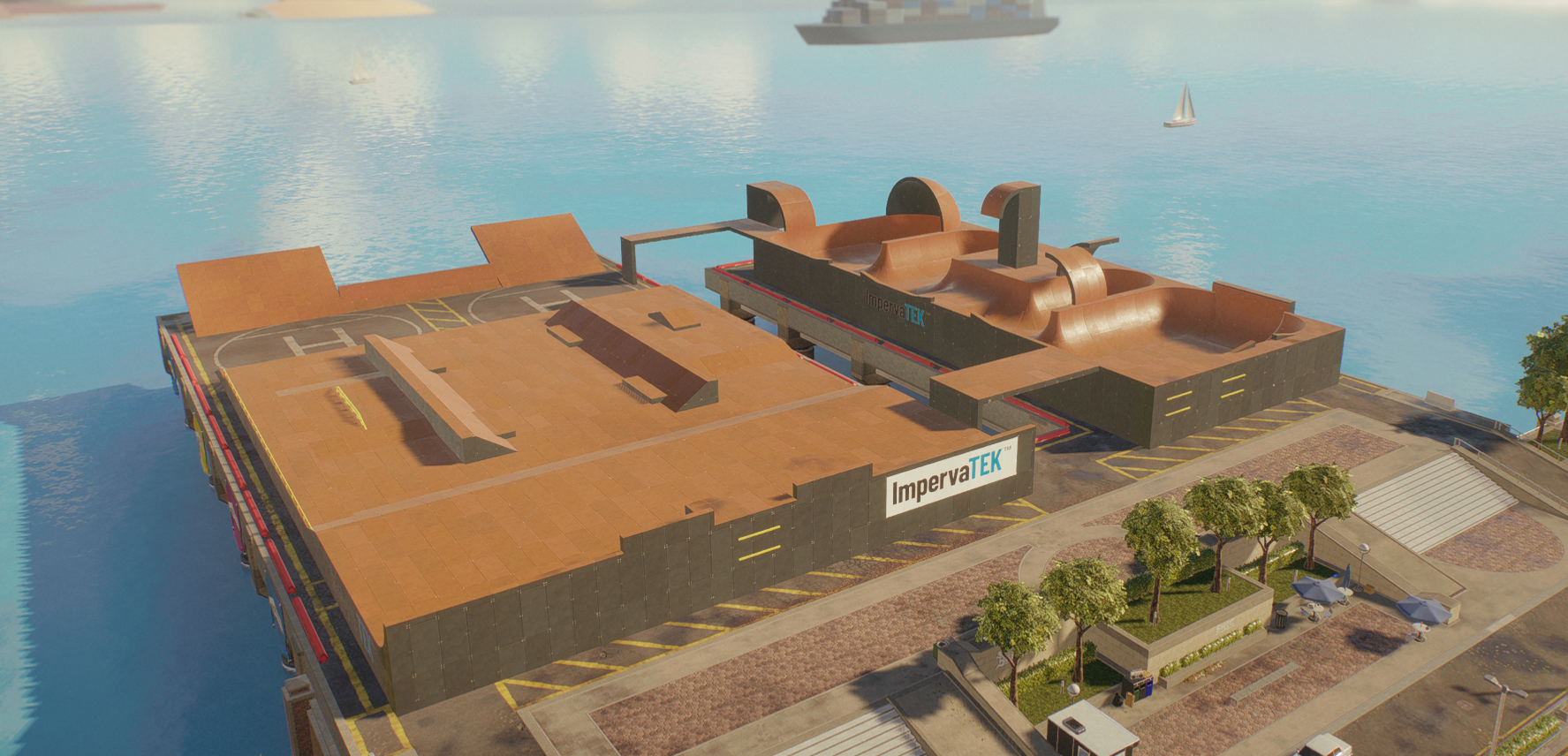
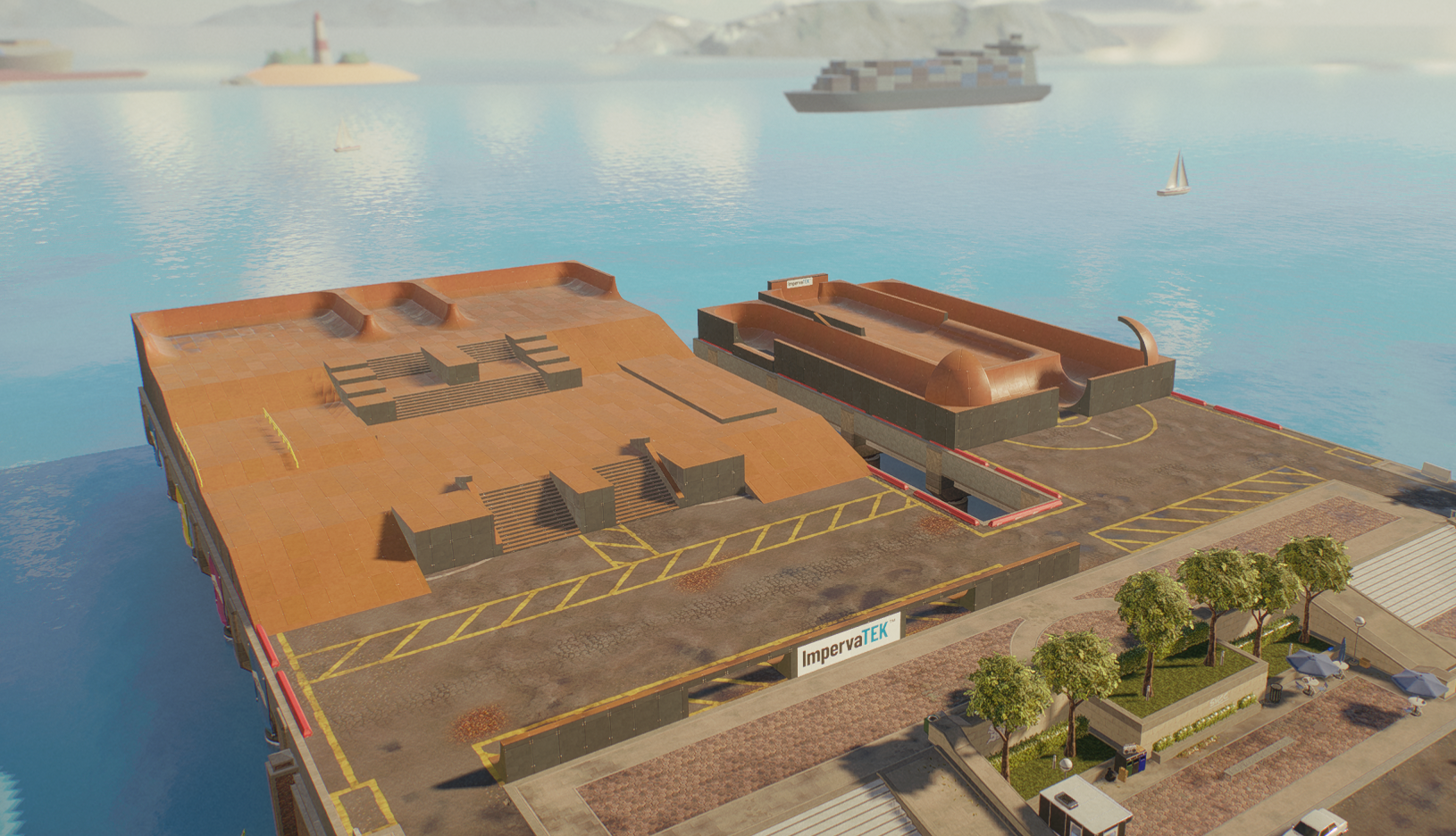
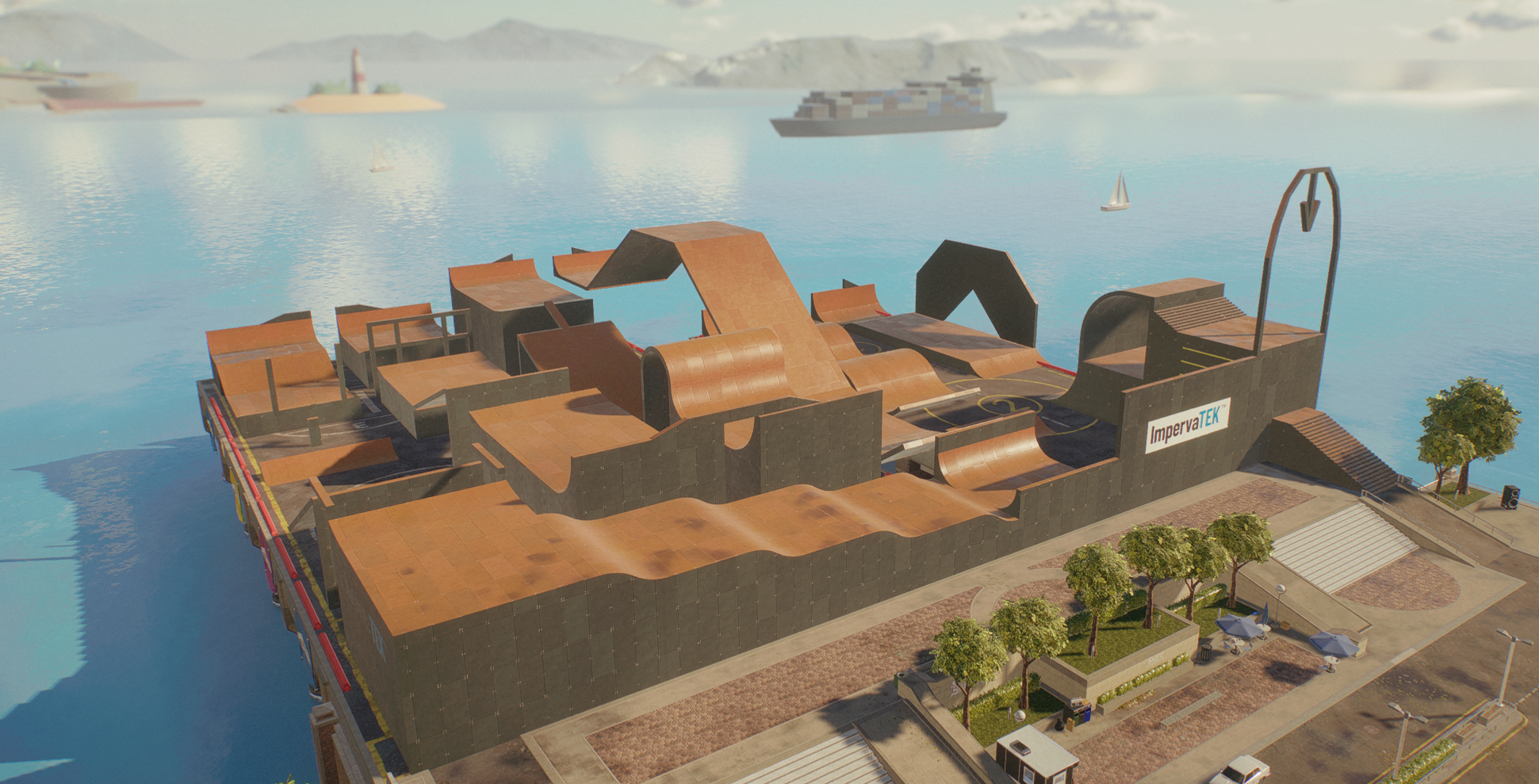
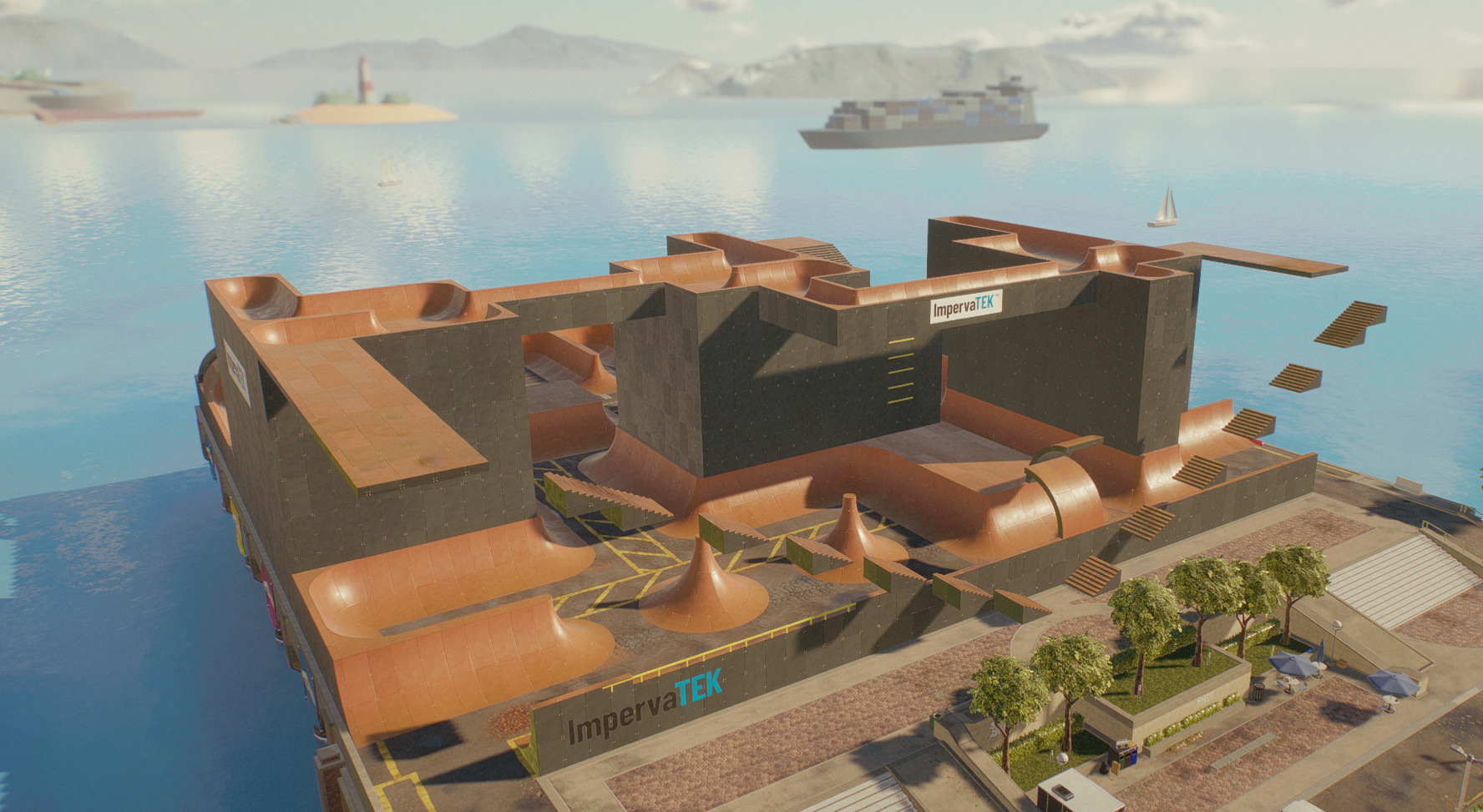
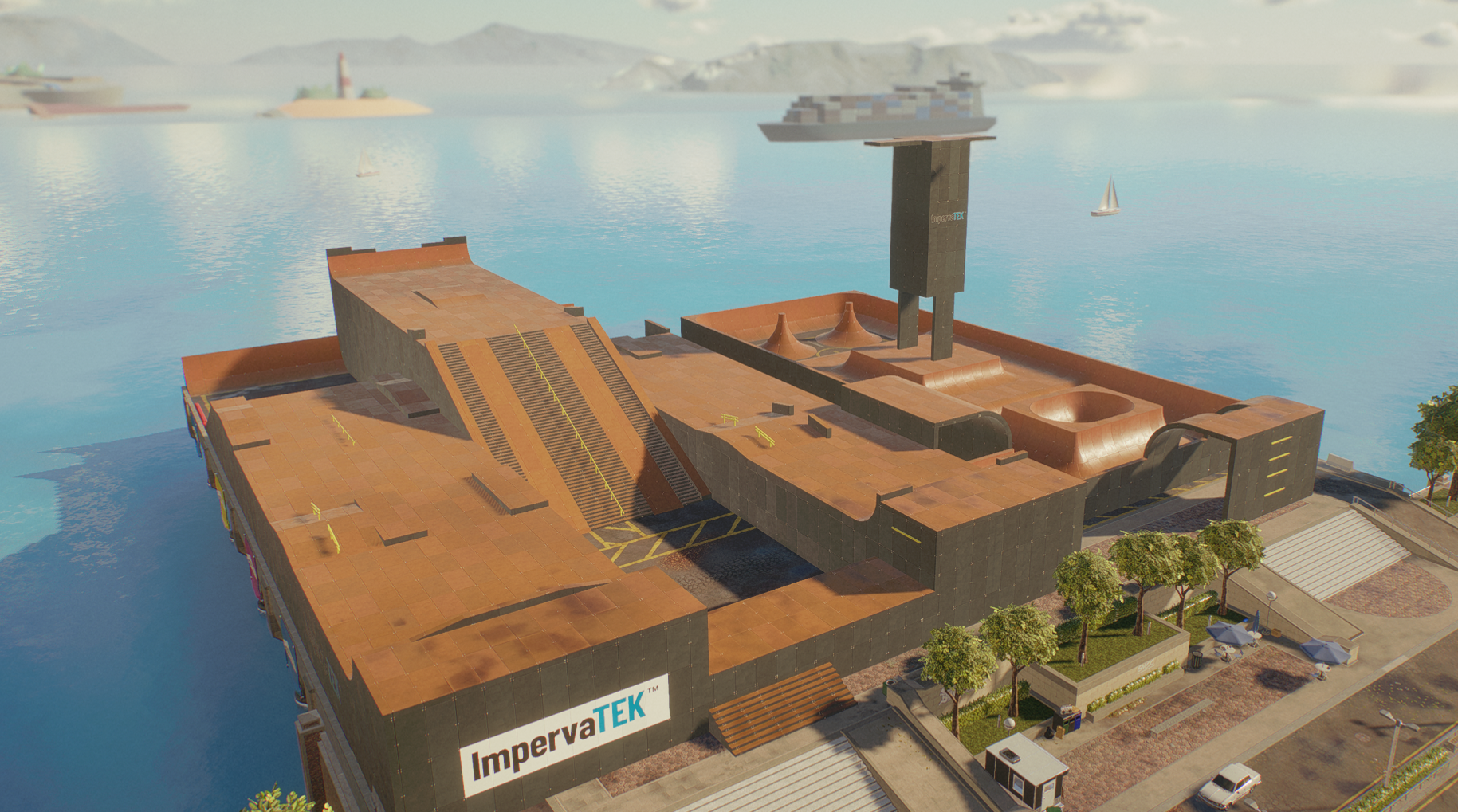
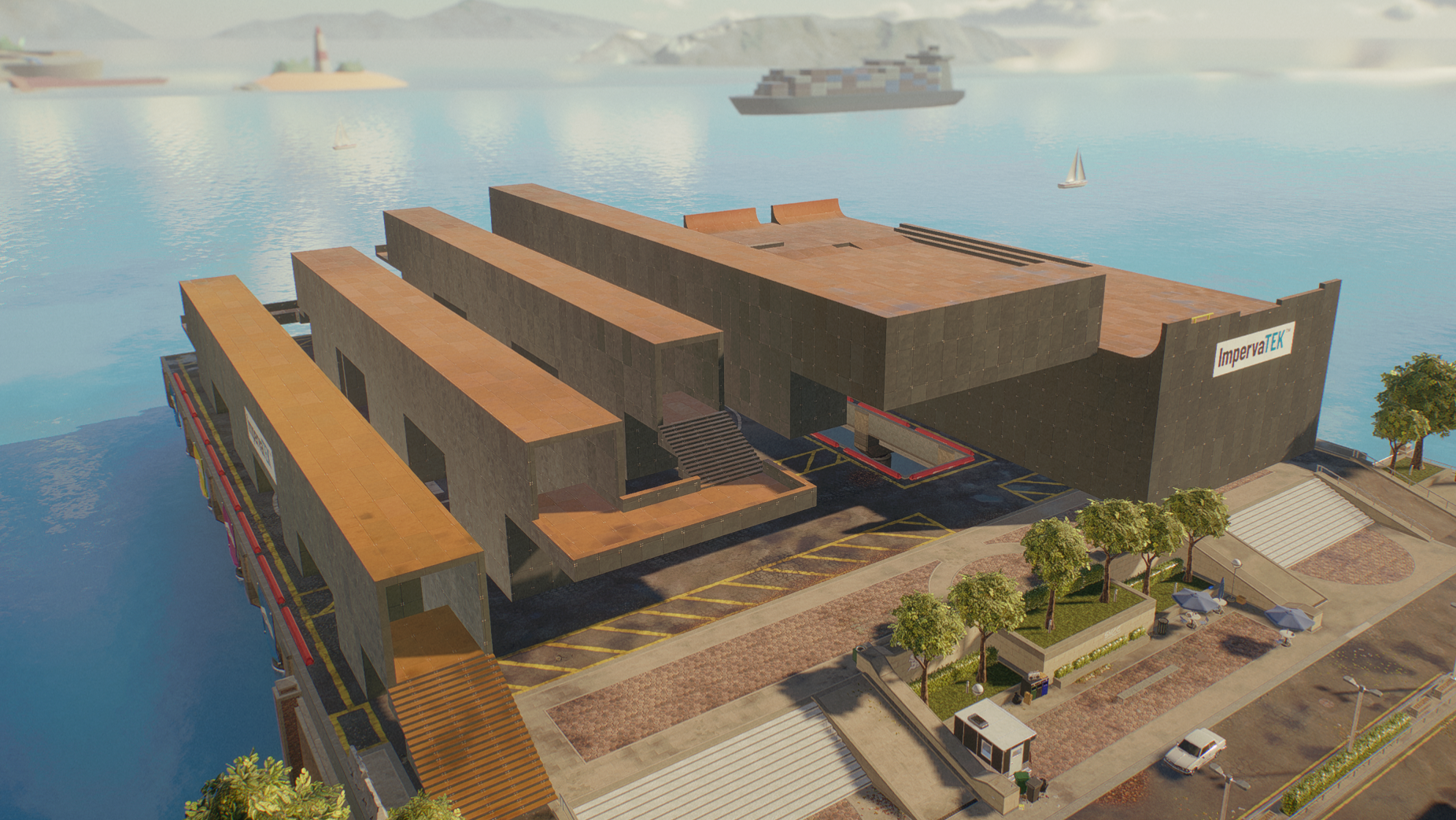
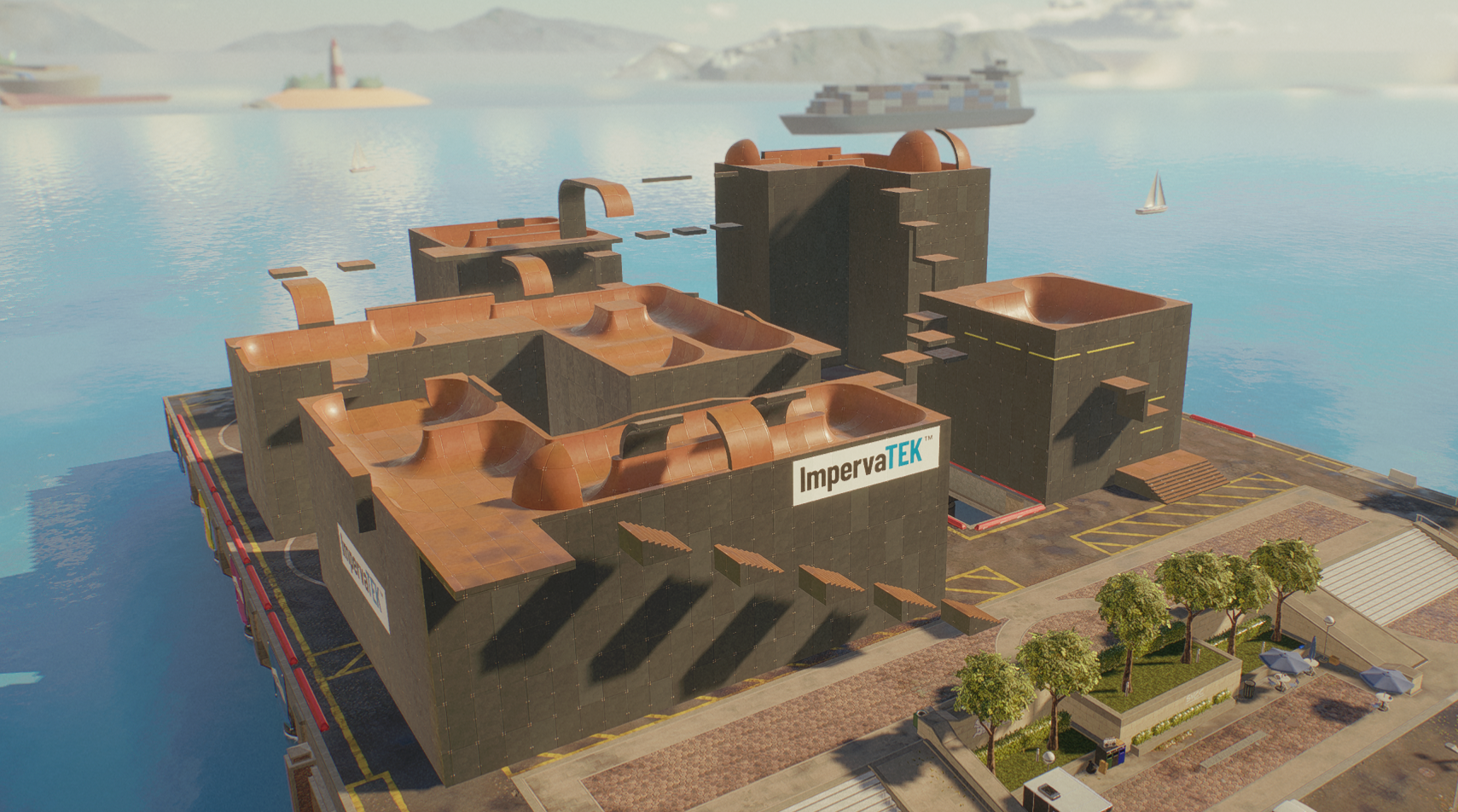
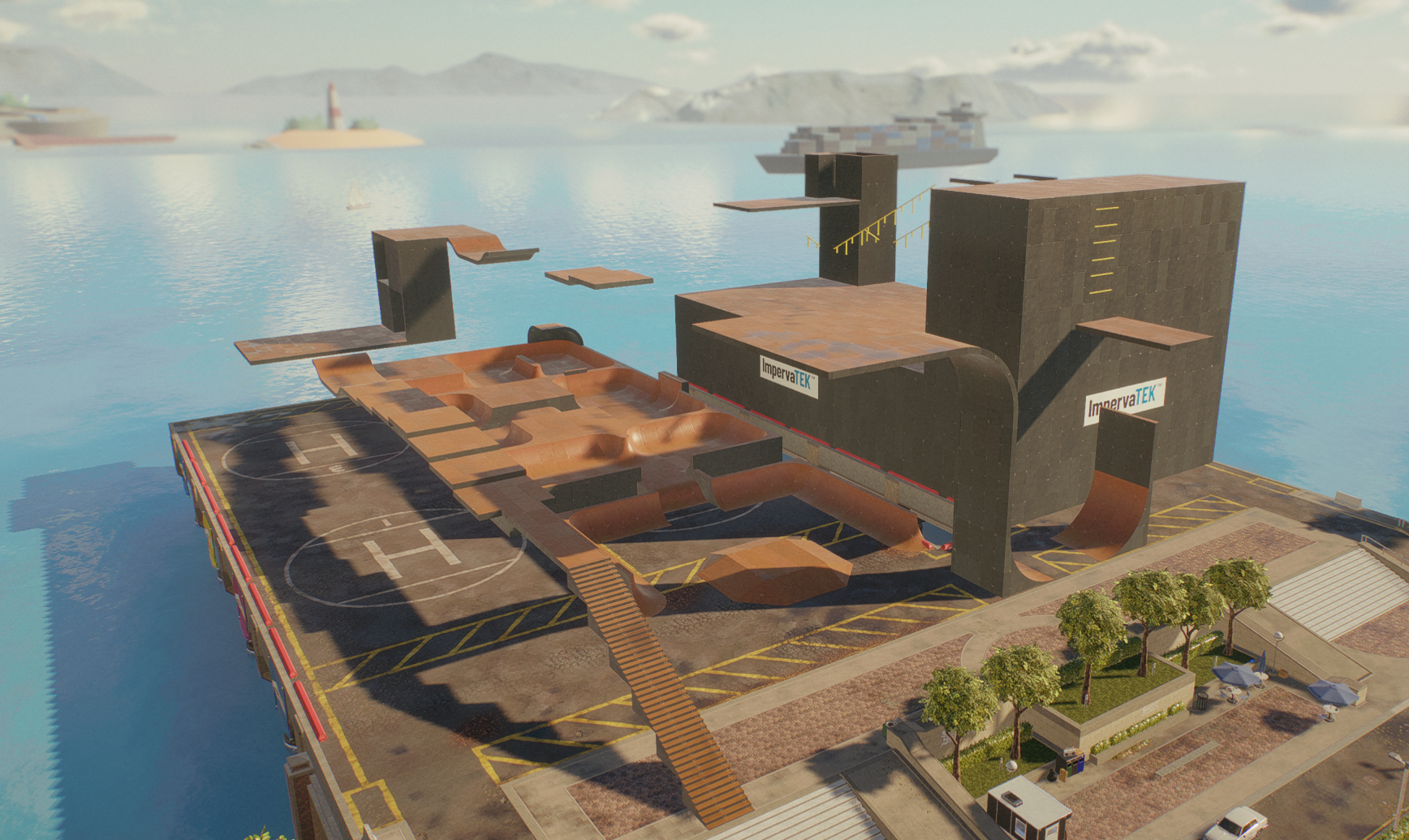
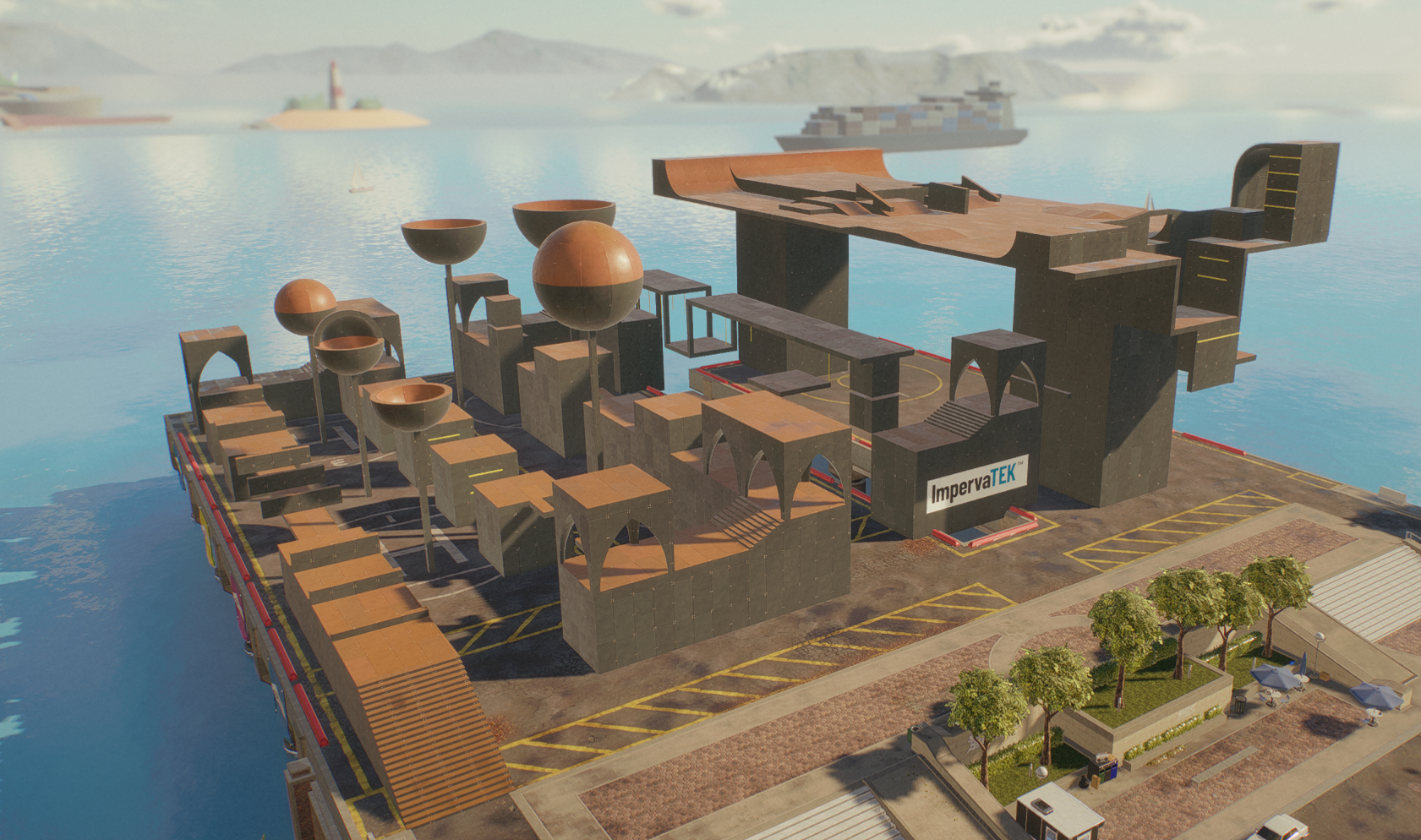
Four Events. Twelve Parks. 48+ Challenges.
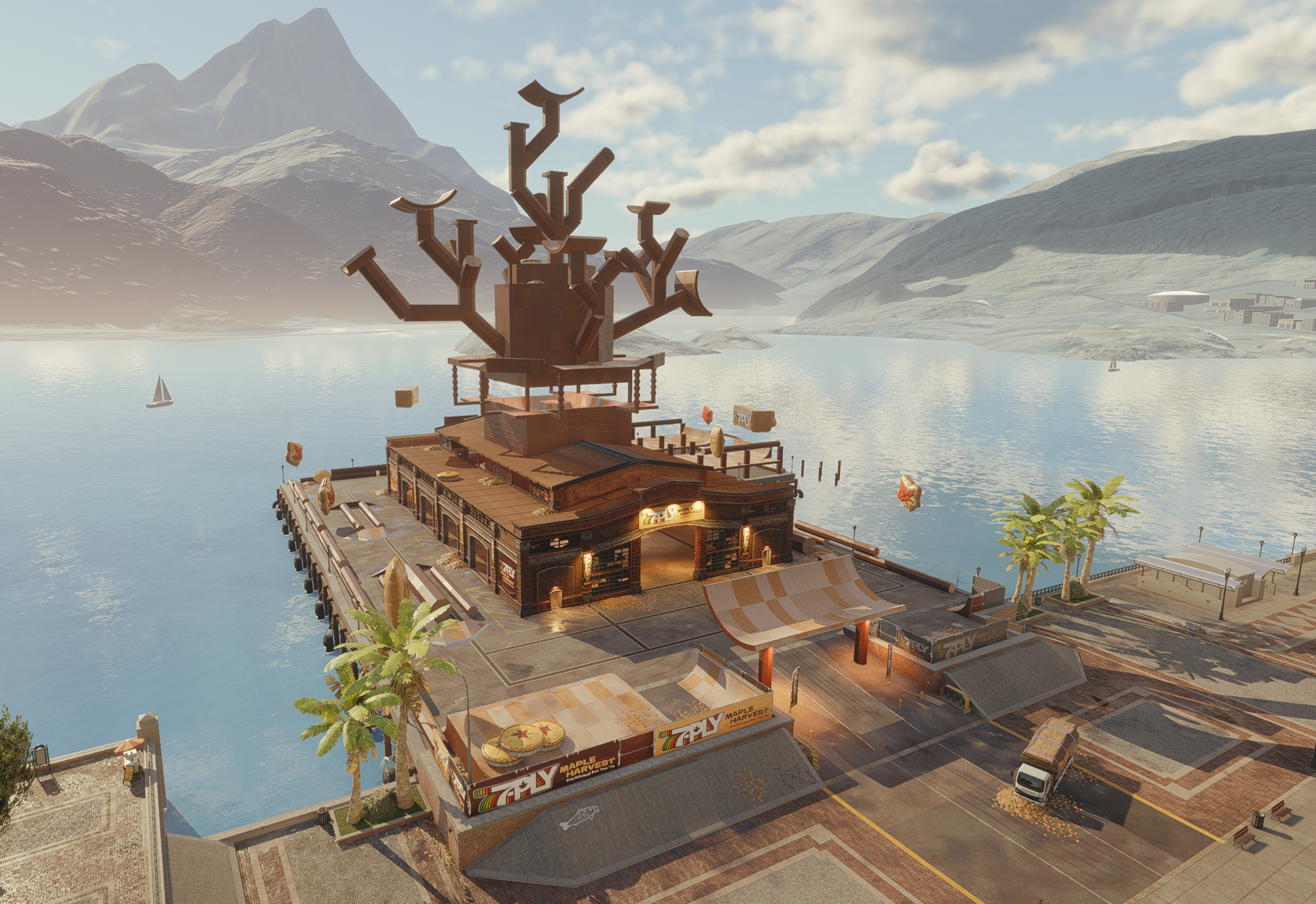
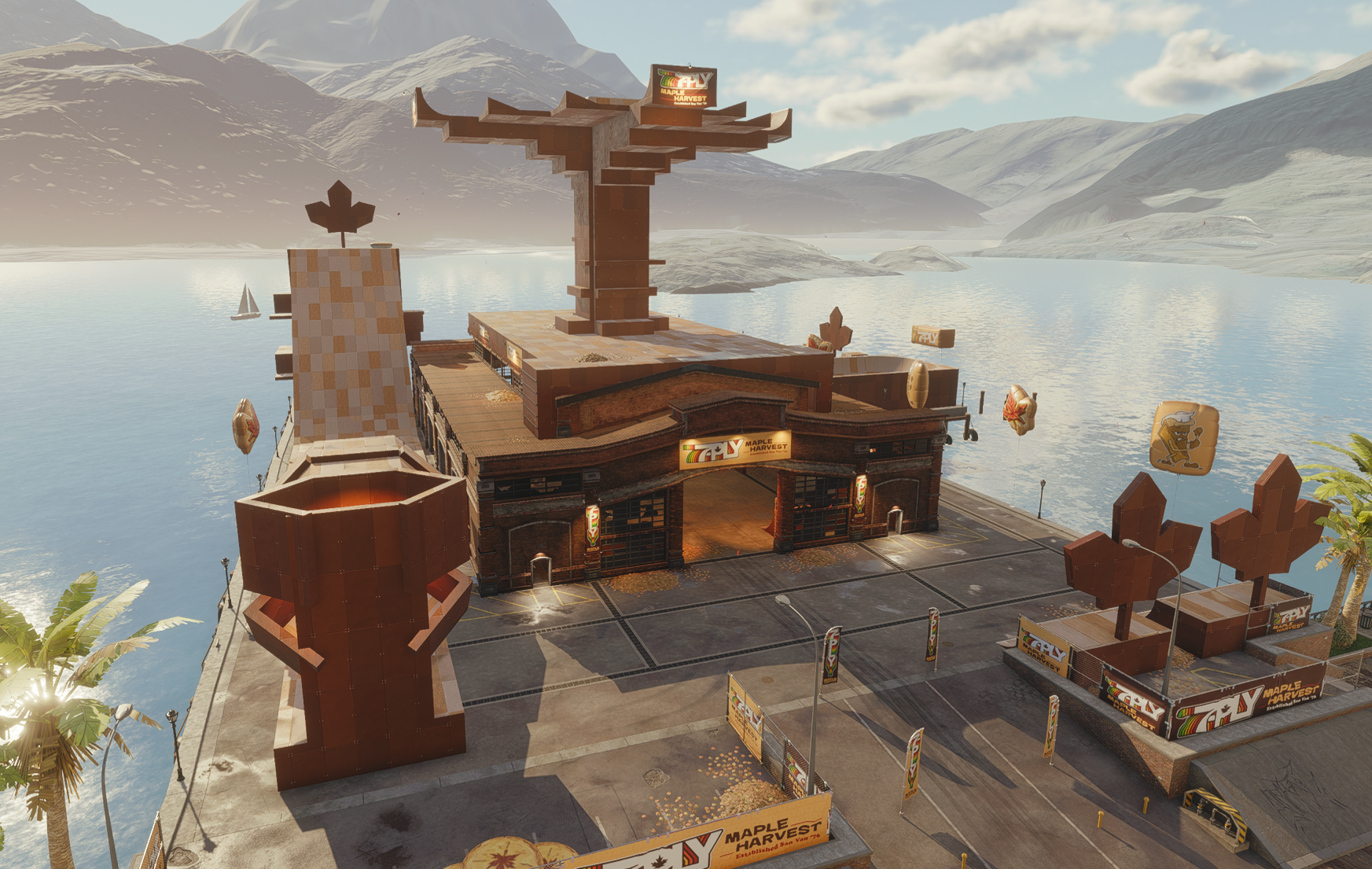
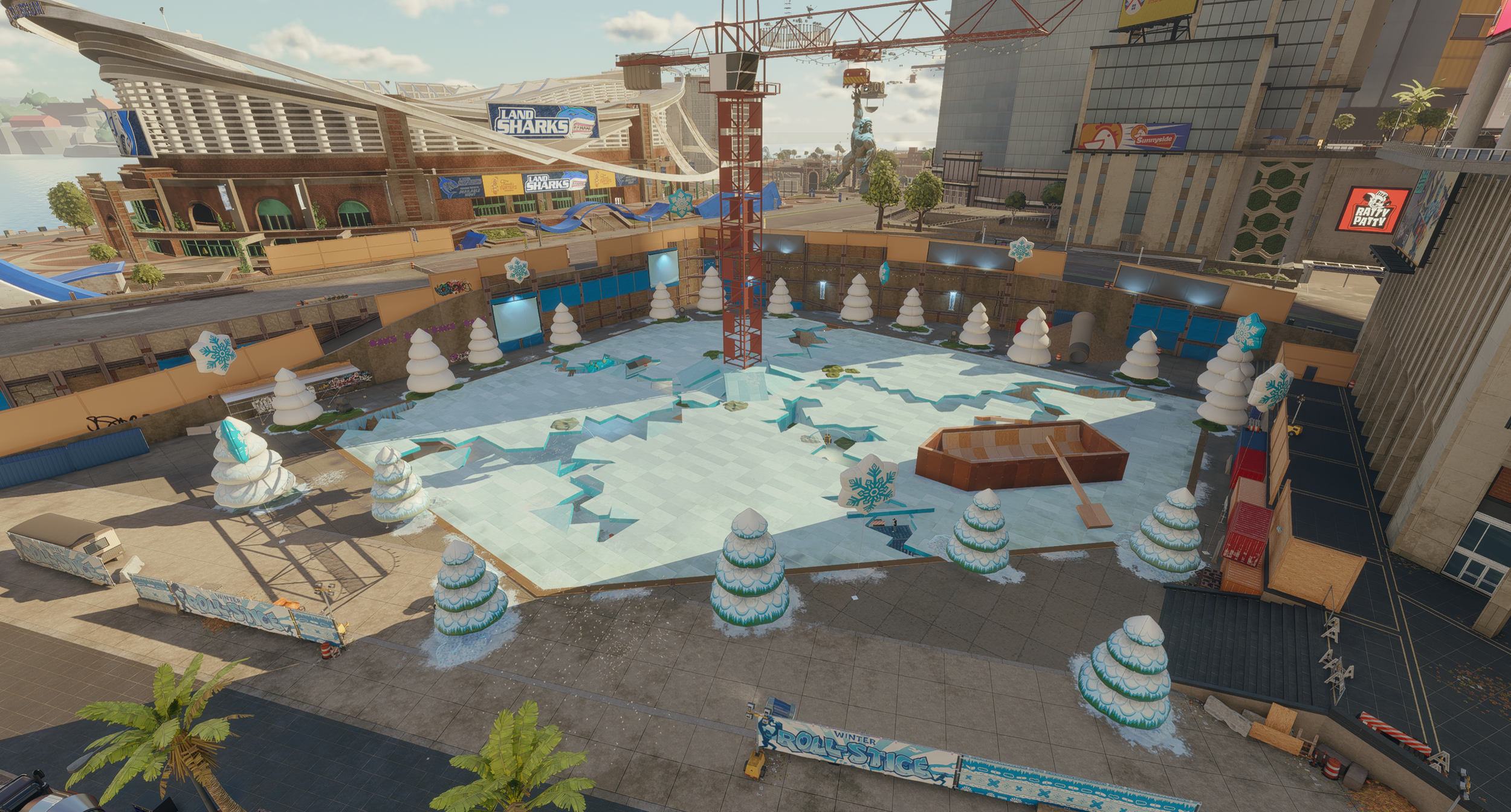
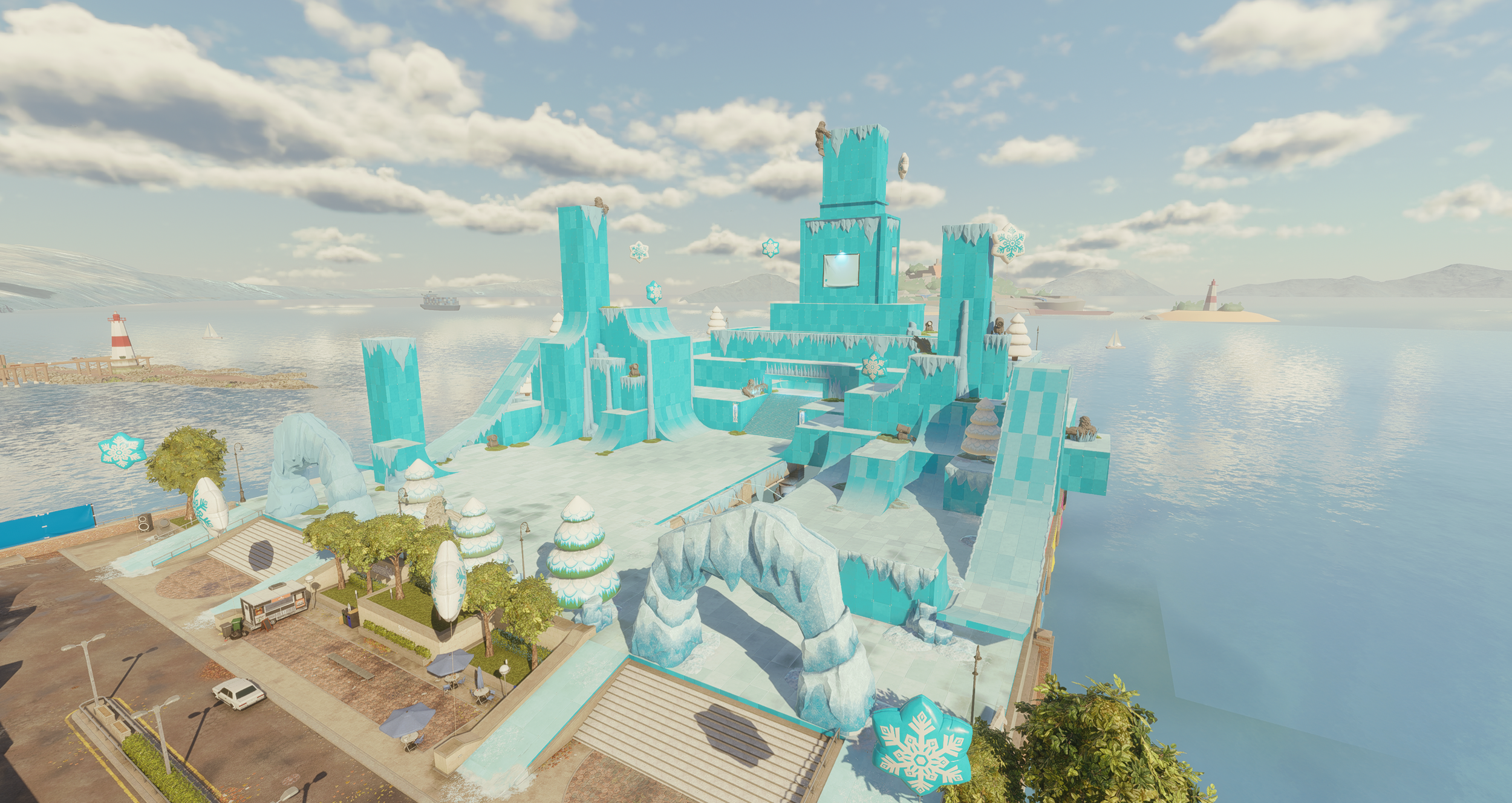
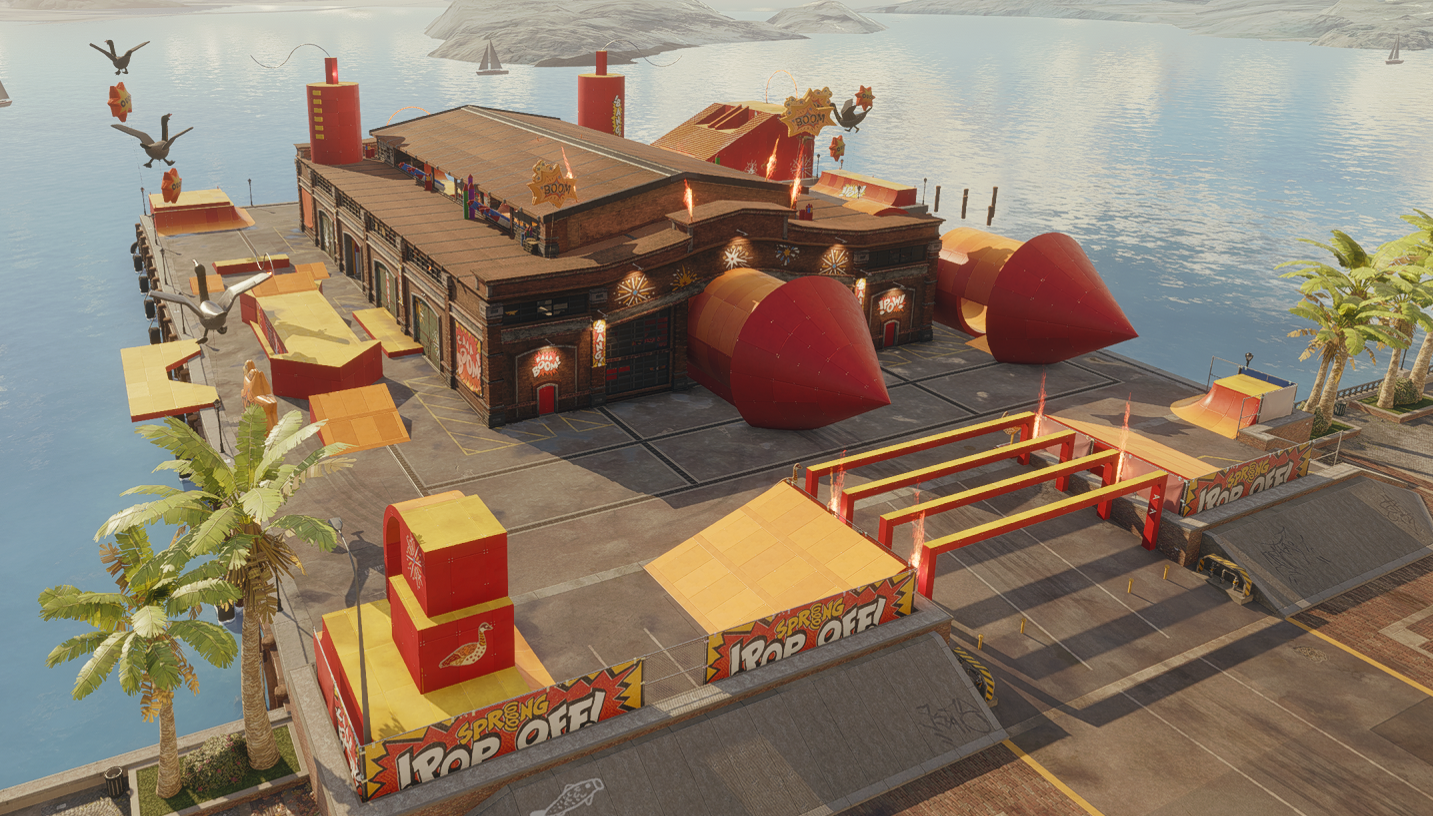
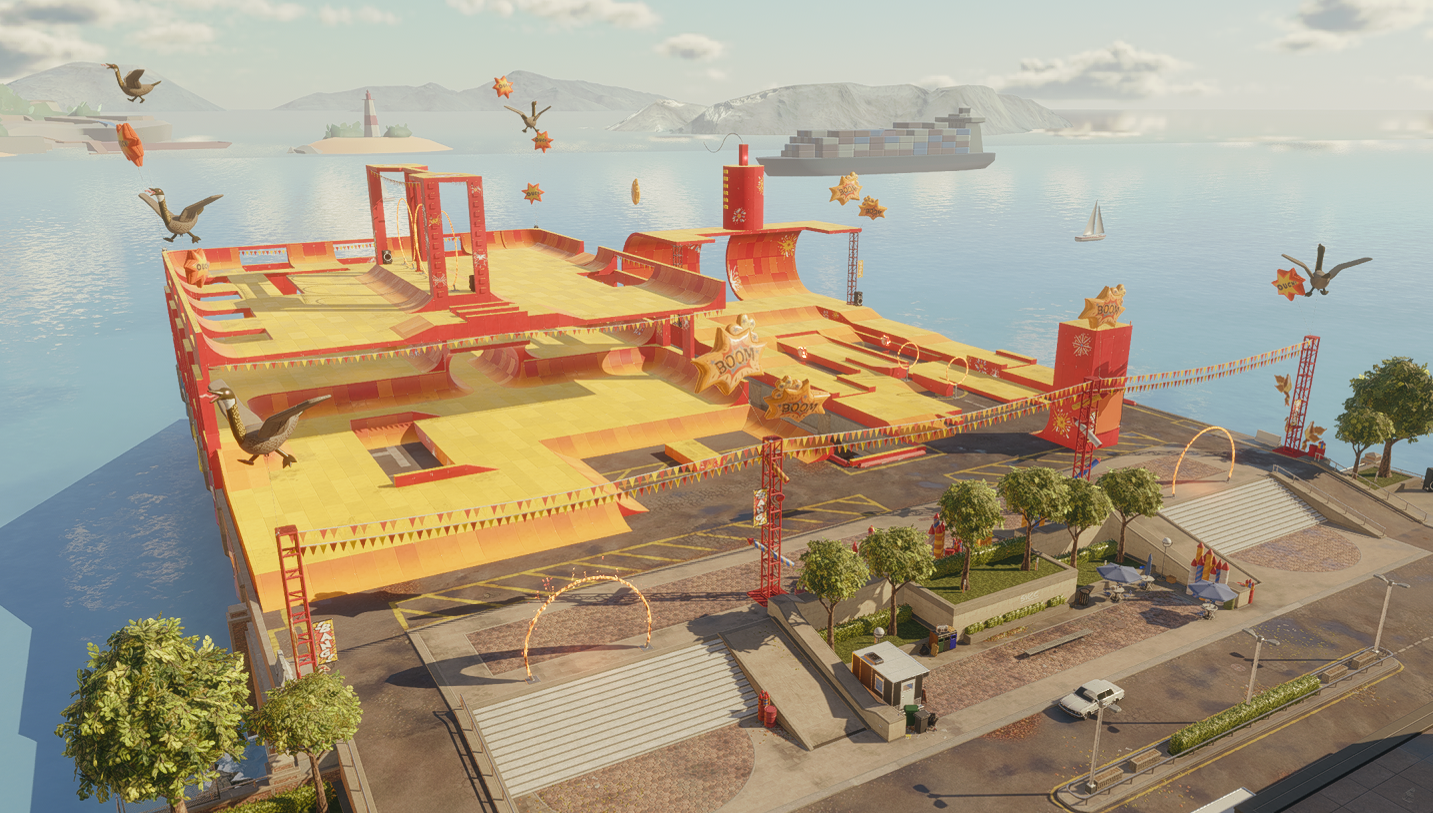
Each season brought themed community lot layouts. I designed, built, and shipped parks for all four events — working with artists to bring each theme to life.
Beyond the parks, I scripted and implemented all in-game challenges for each event — 12 challenges per event, 4 per plot. That's 48+ challenges across all four seasons.
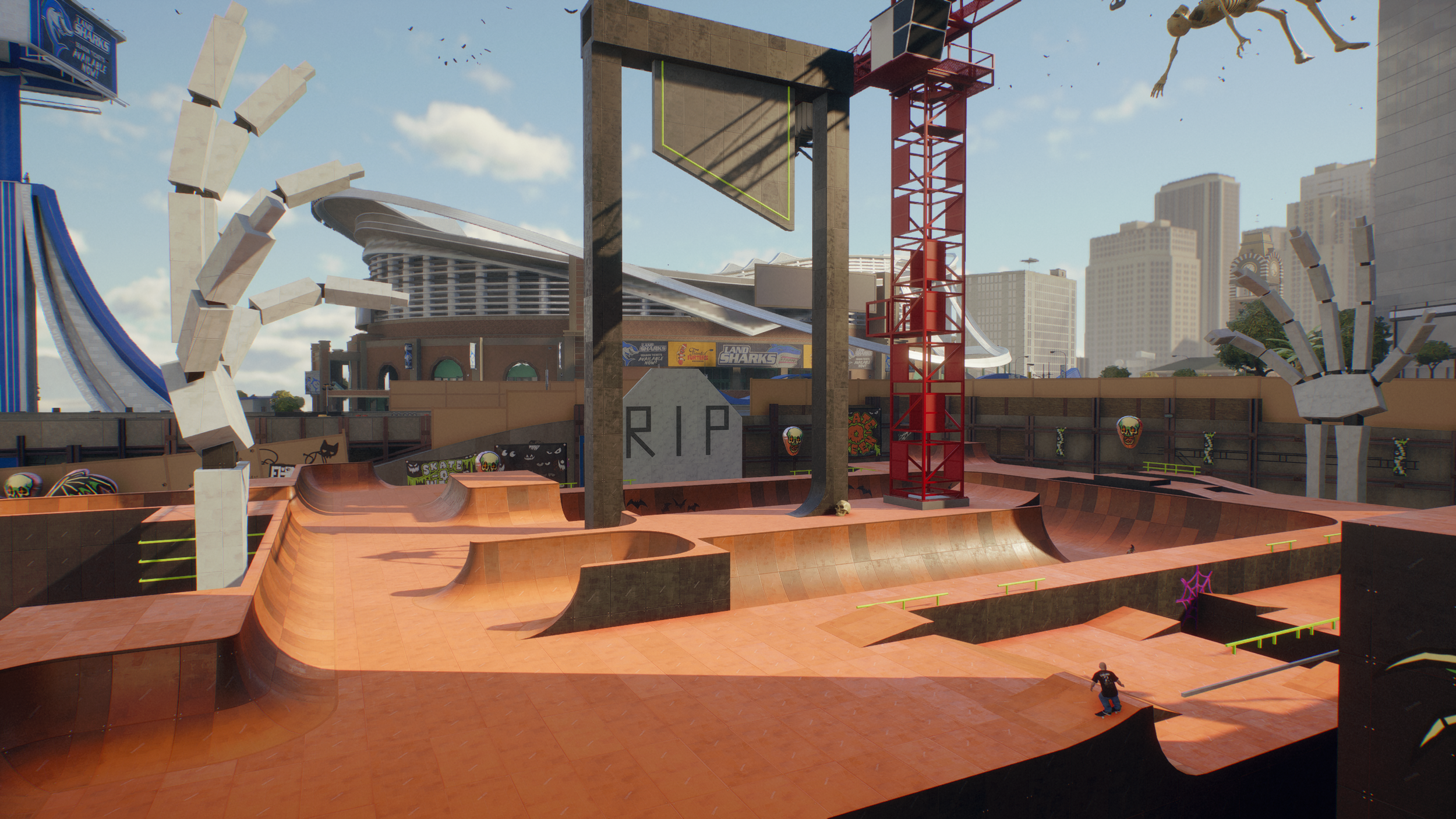
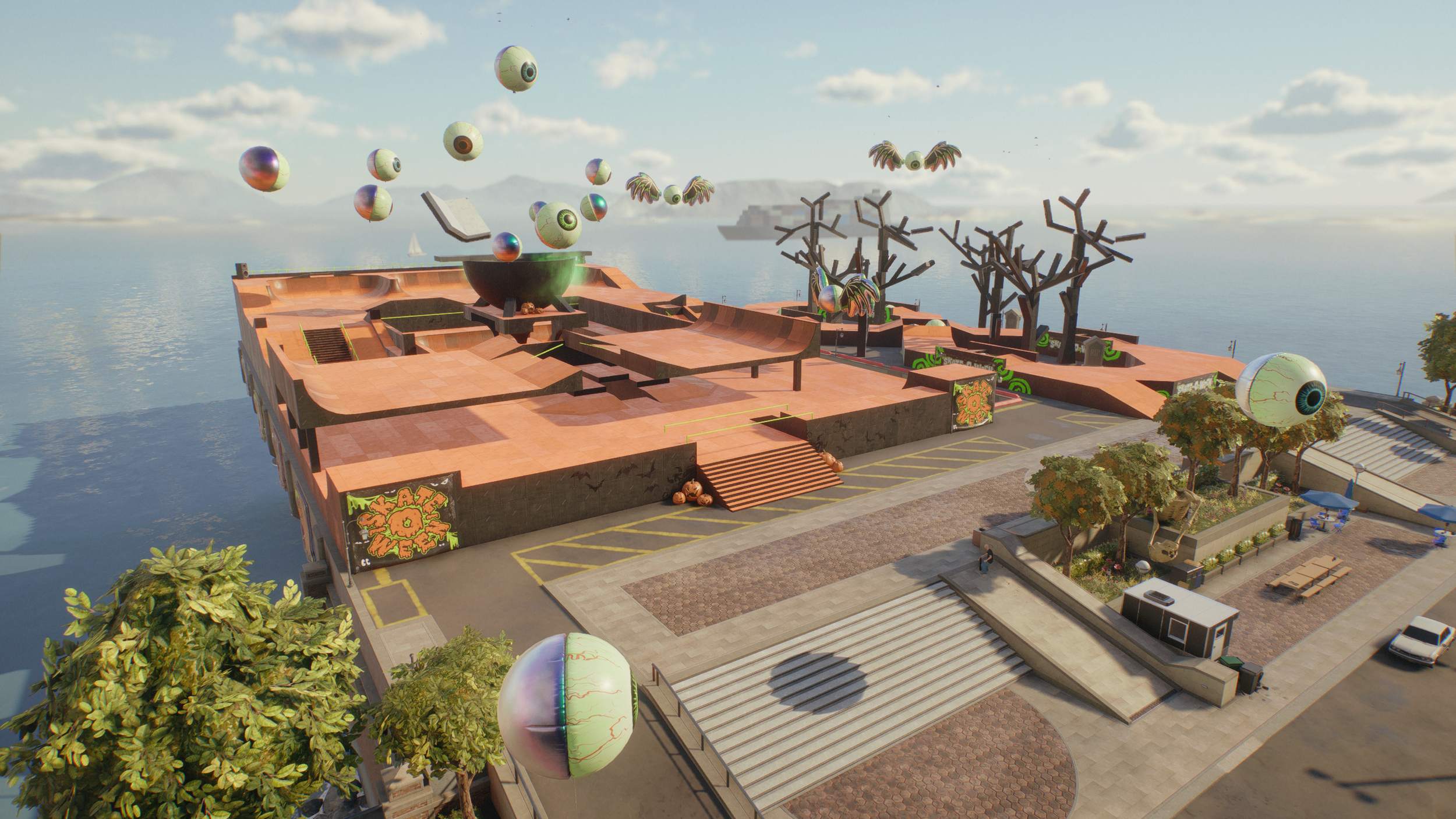
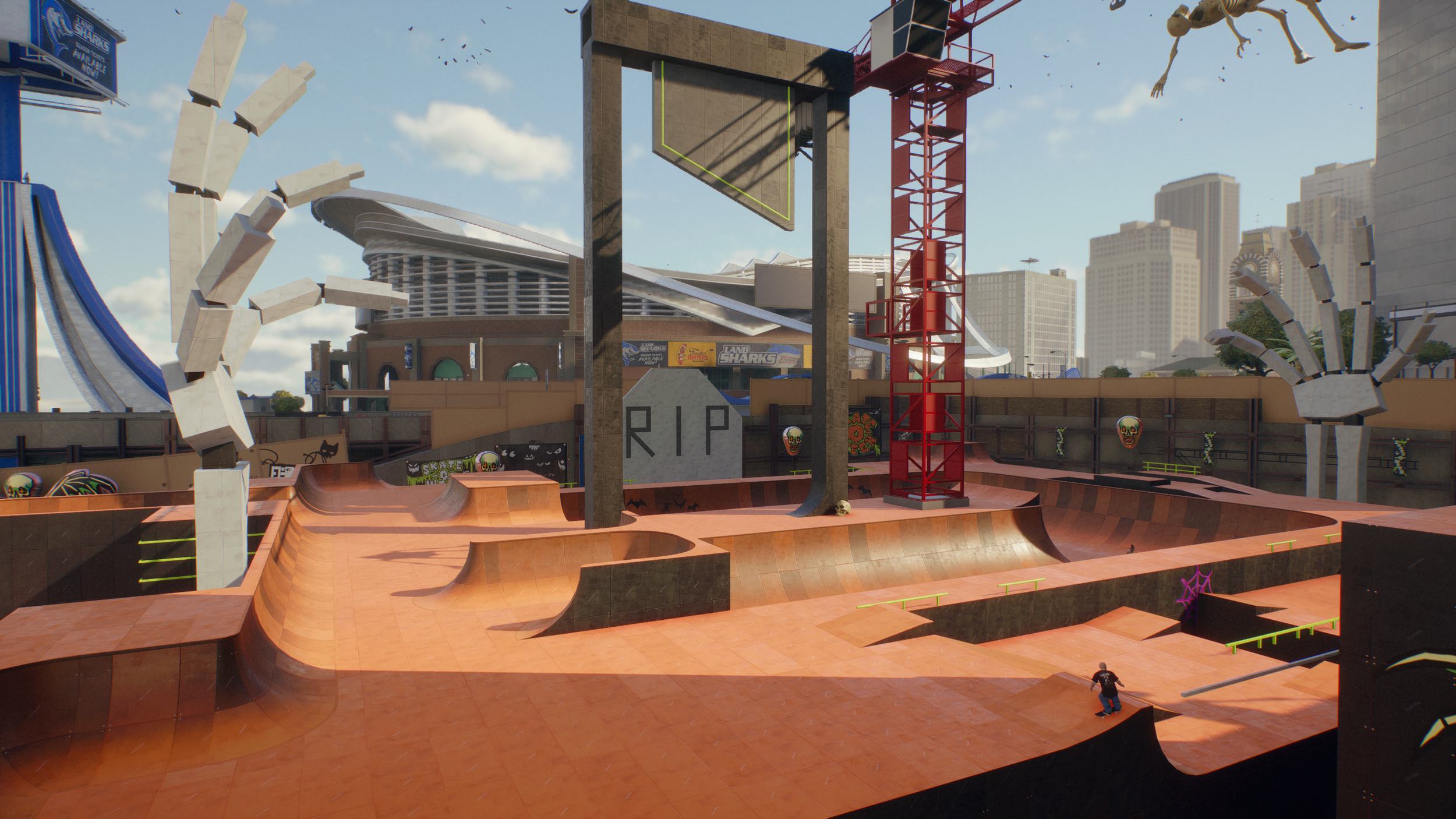
2 Halloween parks + 6 challenges for seasonal currency.
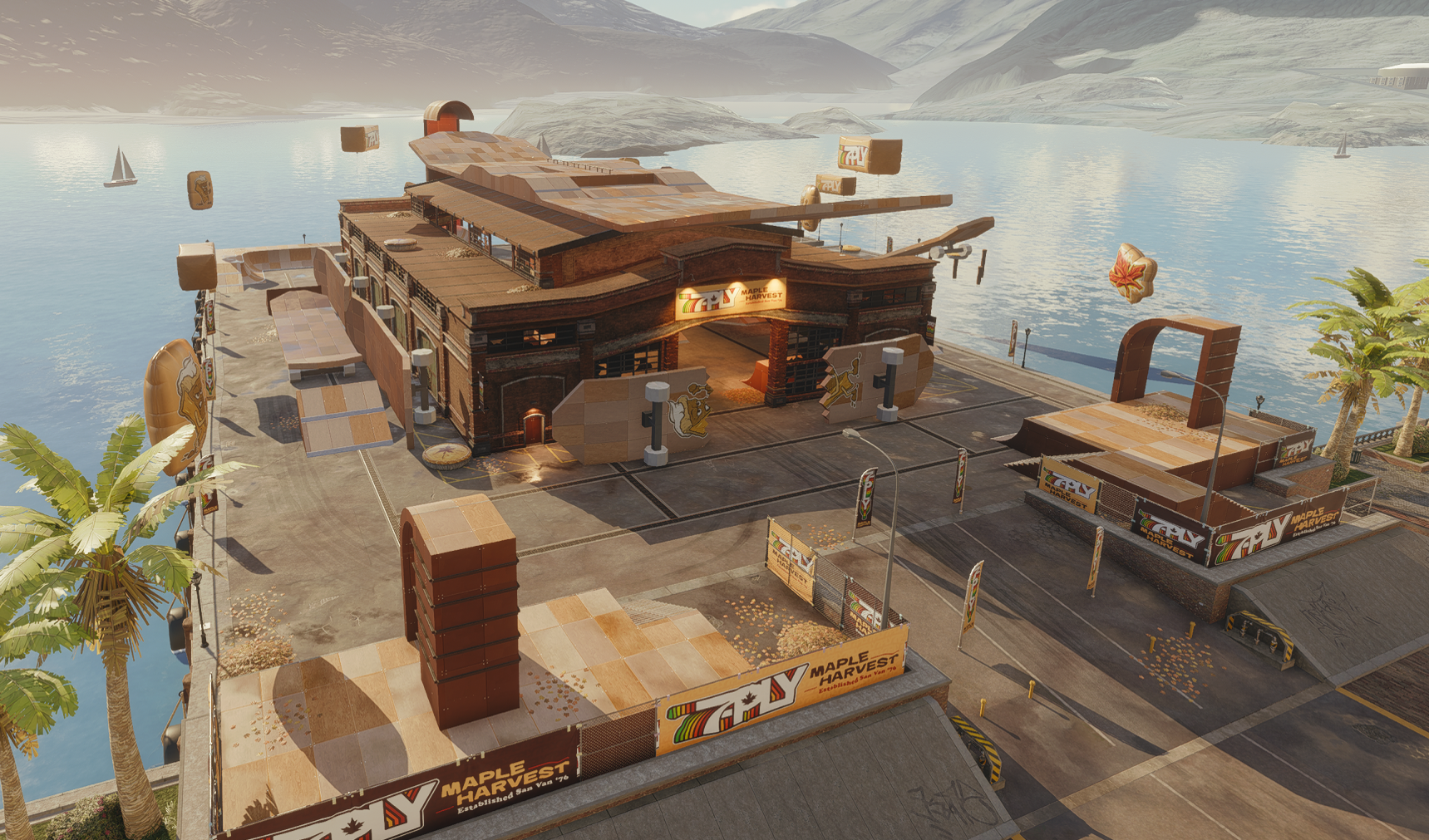
3 skateboard-manufacturing themed parks. Weekly rotation.
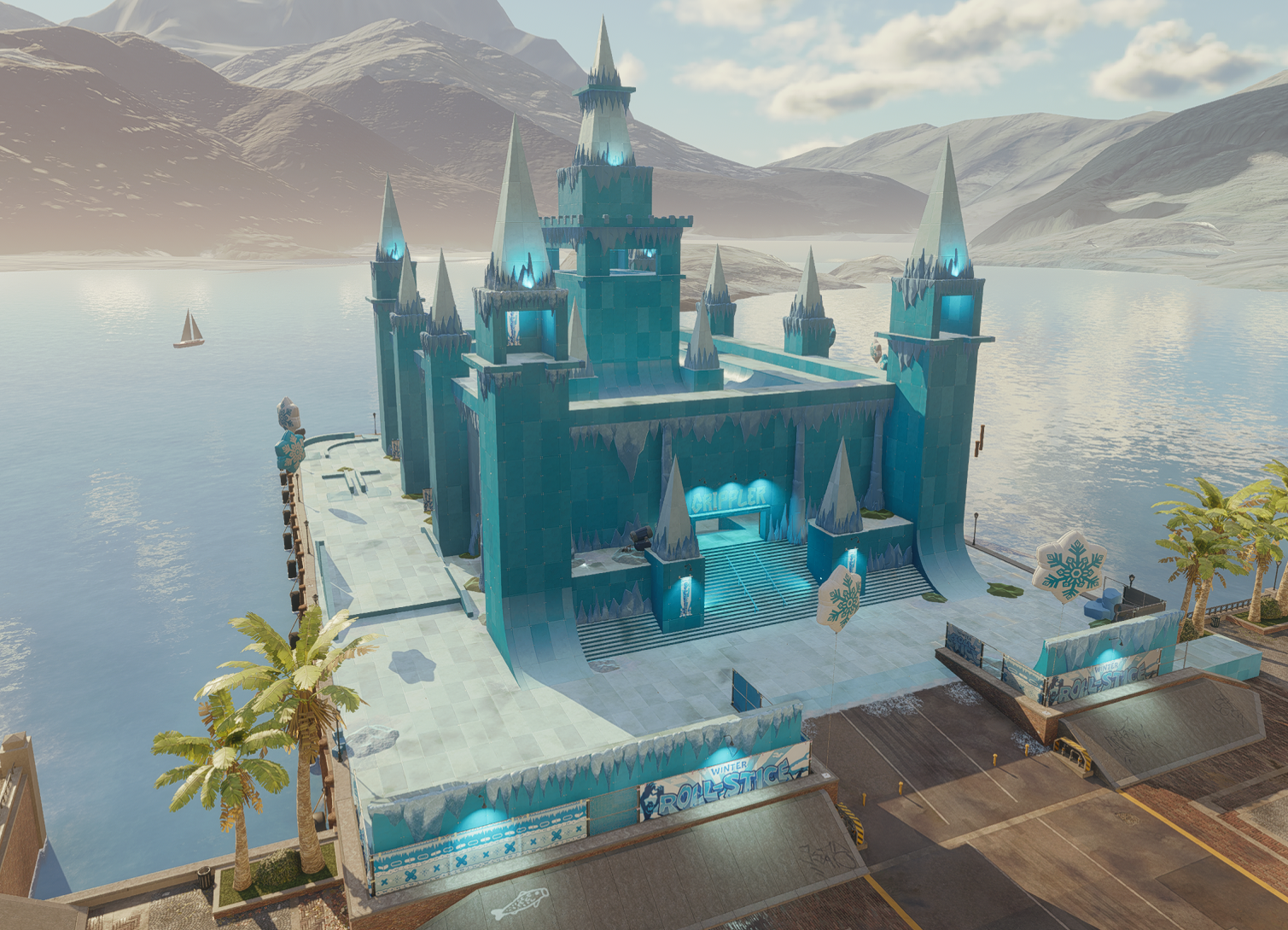
3 frozen-theme parks + 12 challenges scripted and shipped.
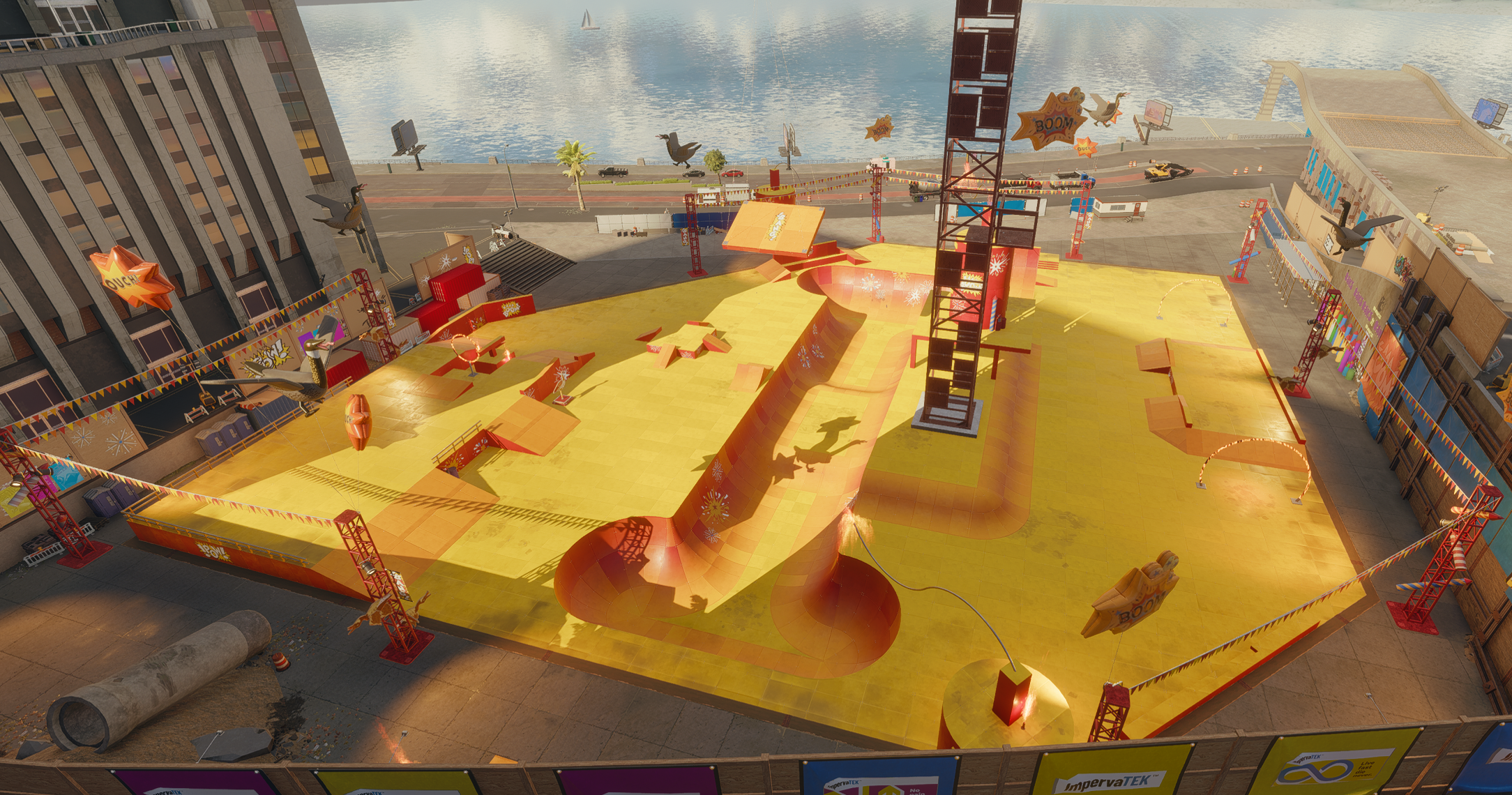
Fireworks theme — 3 parks, 12 challenges scripted and shipped.
Challenges scripted and implemented across all four events — 4 per plot, per event, designed with the metagame team to reward seasonal currency and drive repeat play.
Designing the City's Character
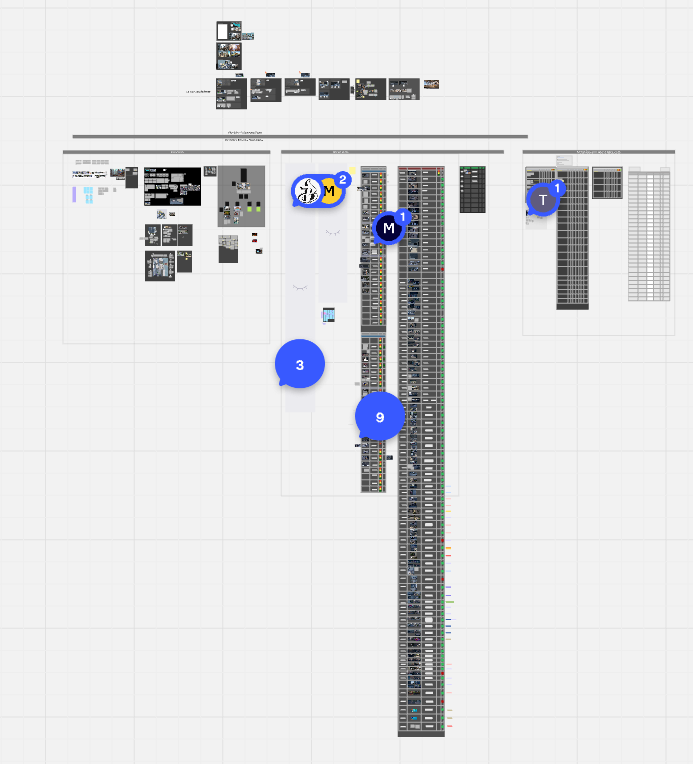
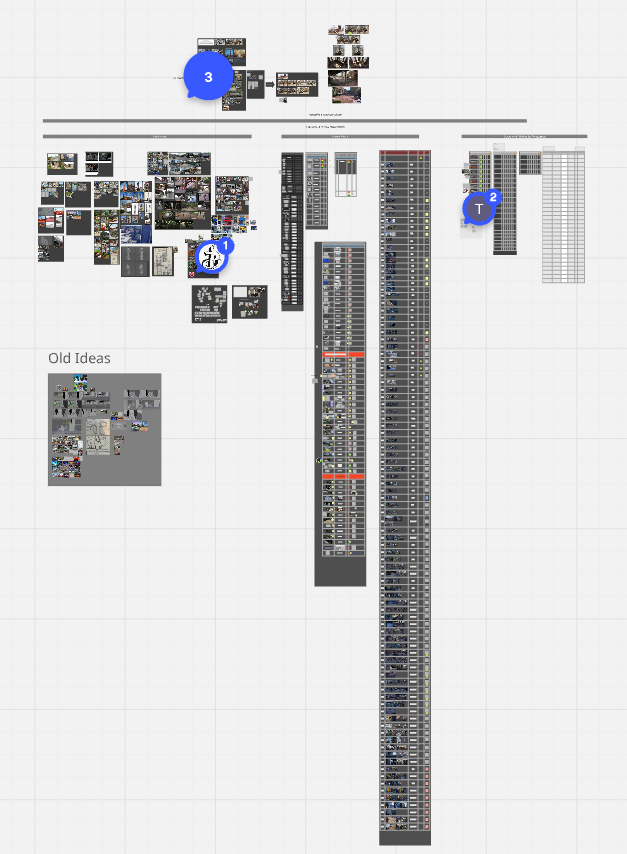
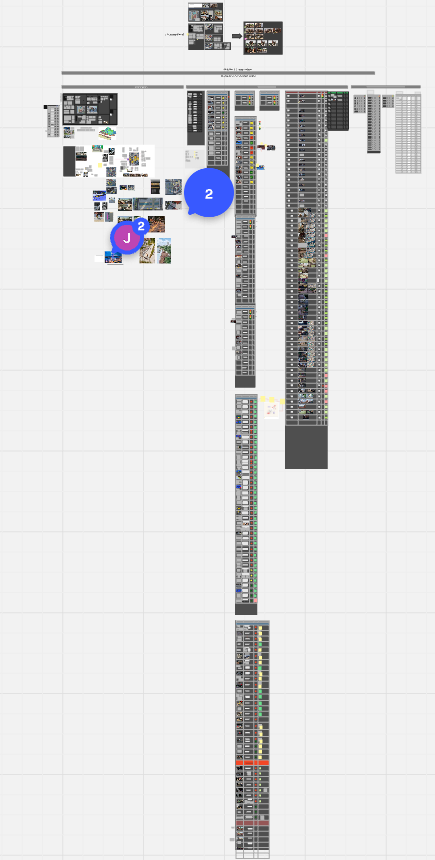
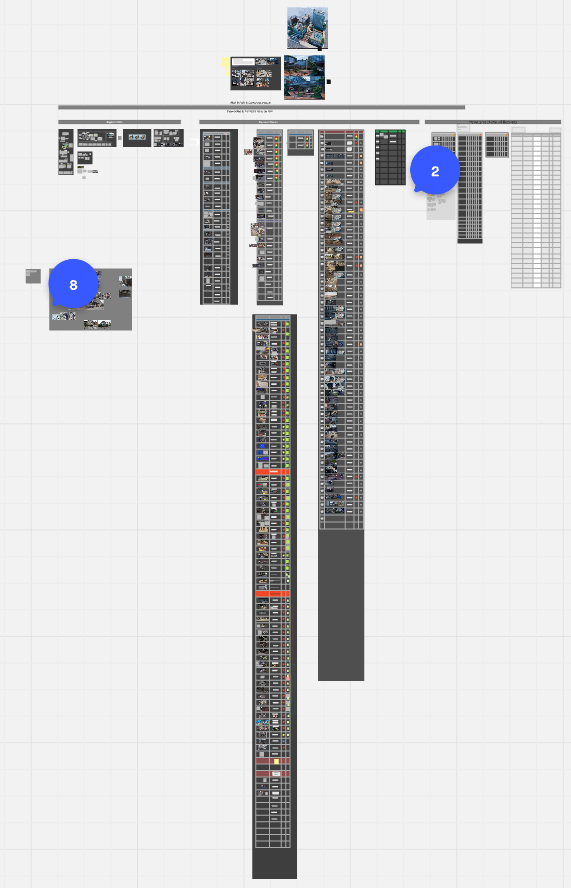
Beyond the rotating parks, I led layout and iteration on several permanent open-world plots across Market Mile and Brickswich. These spaces define how players move through the city.
Every plot involved heavy upfront planning — 2D maps, Miro boards, and weekly team syncs with artists and design leads.
Each plot had a central design question: how does the player flow through this space? Where's the main line? Where do they want to linger?
The plots span two distinct districts — Market Mile and Brickswich — each with its own character and constraints.
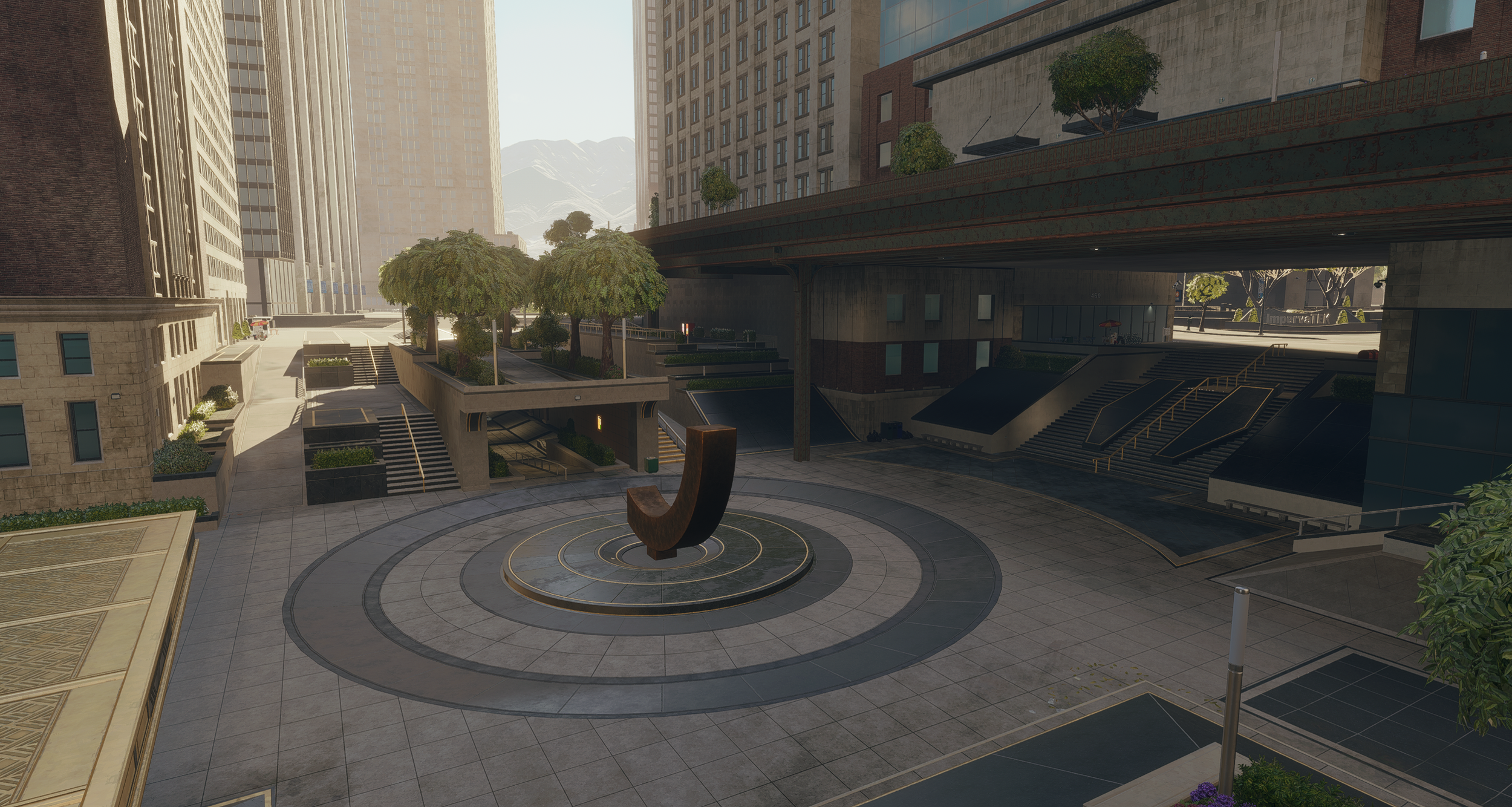
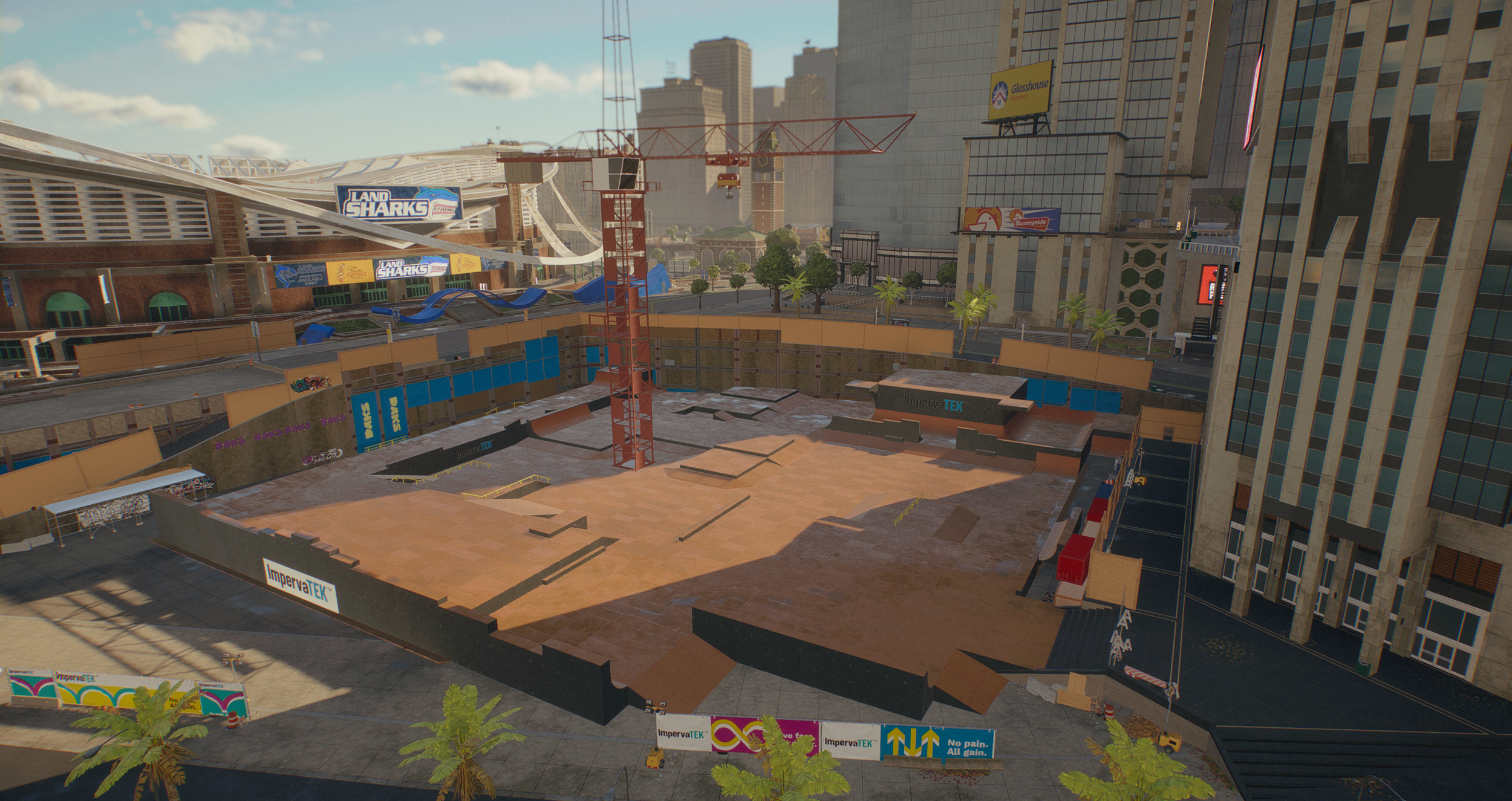
The largest plot in the game. Designed for big, flowing lines through an urban plaza.
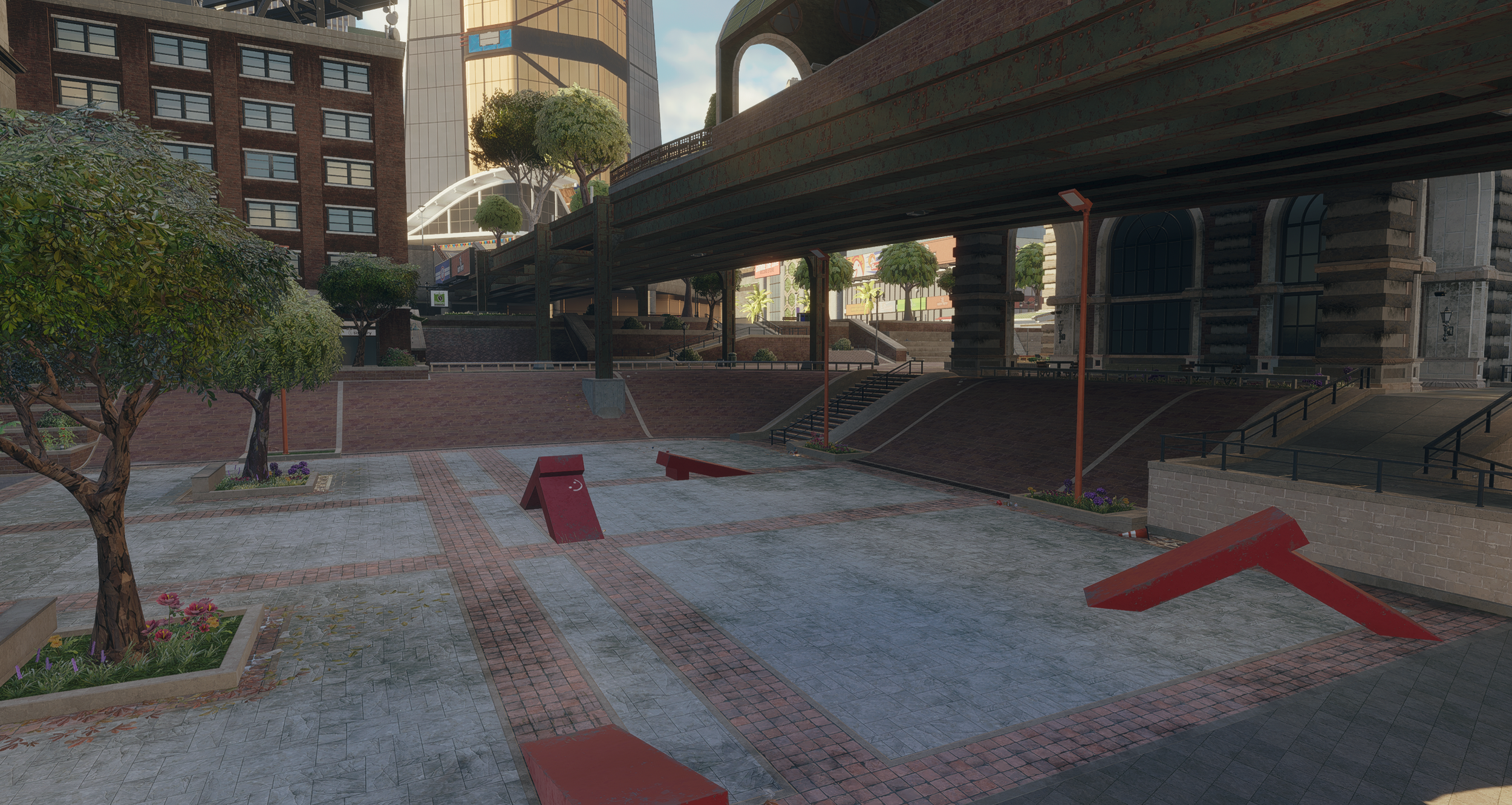
Built around an old clocktower. The old rail line became the main throughline.
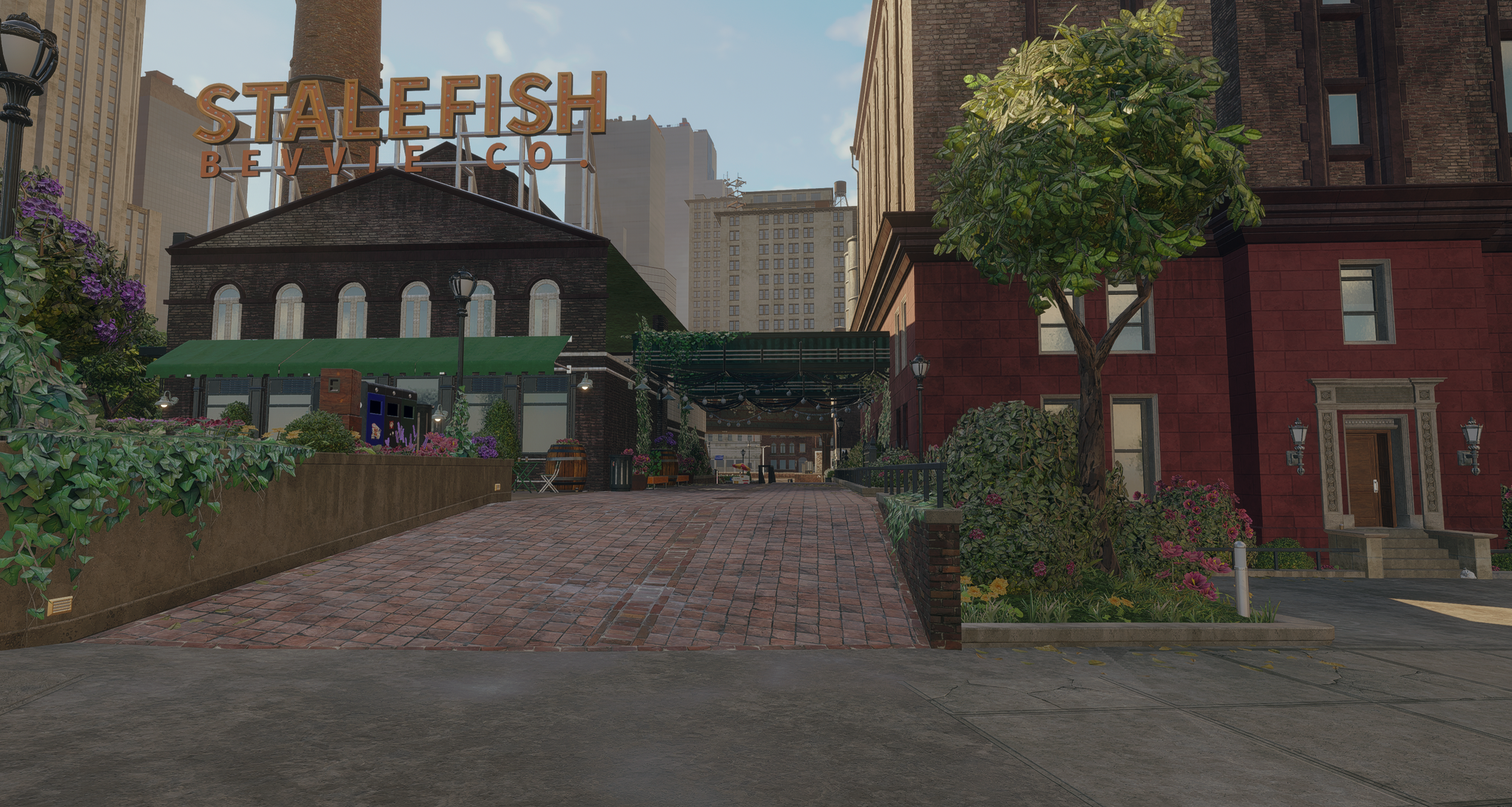
Designed as a transitional space with clean lines in and out.
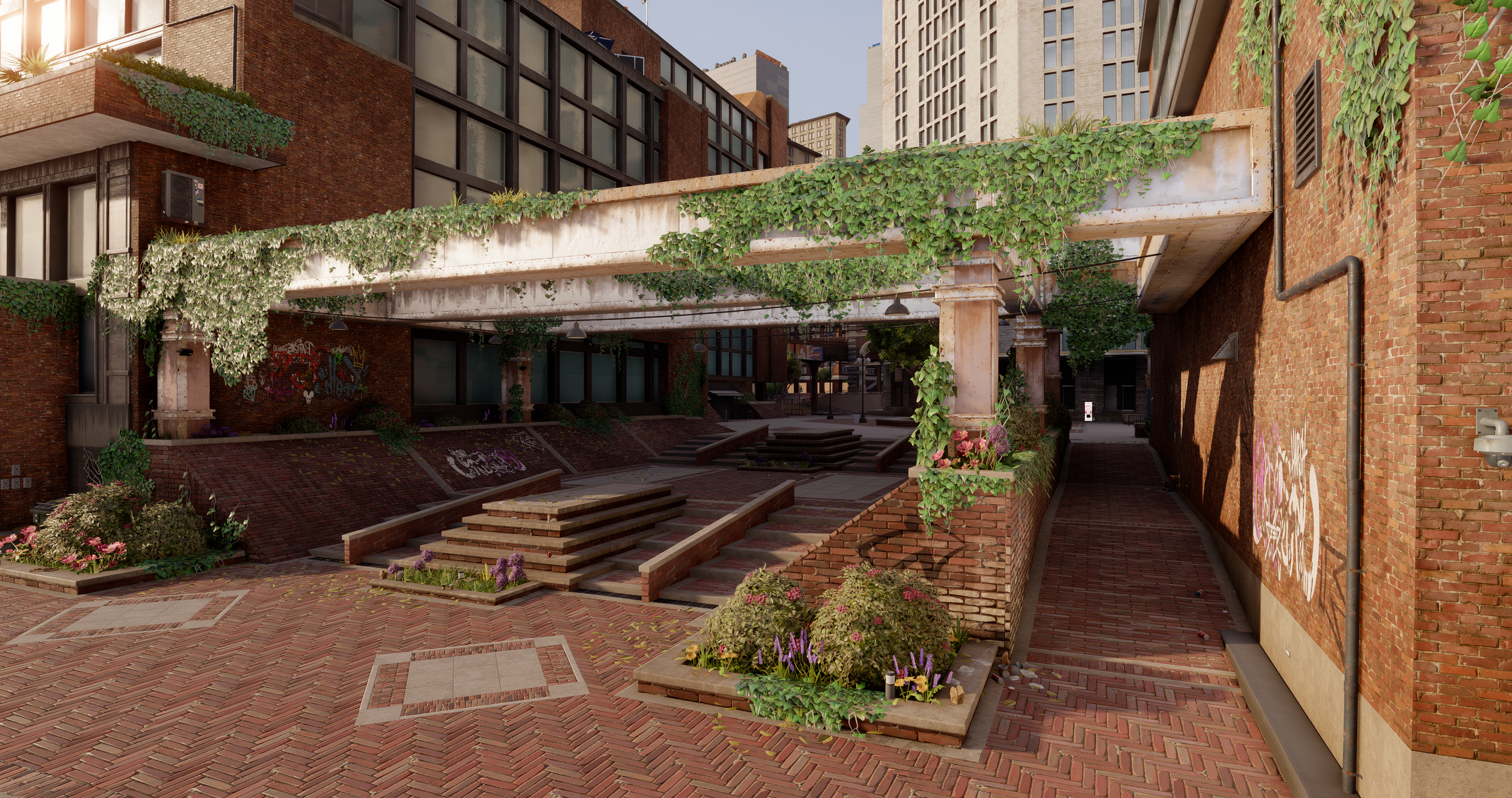
Primary reference was NYC's Pyramid Plaza — a fresh spin on a classic space.
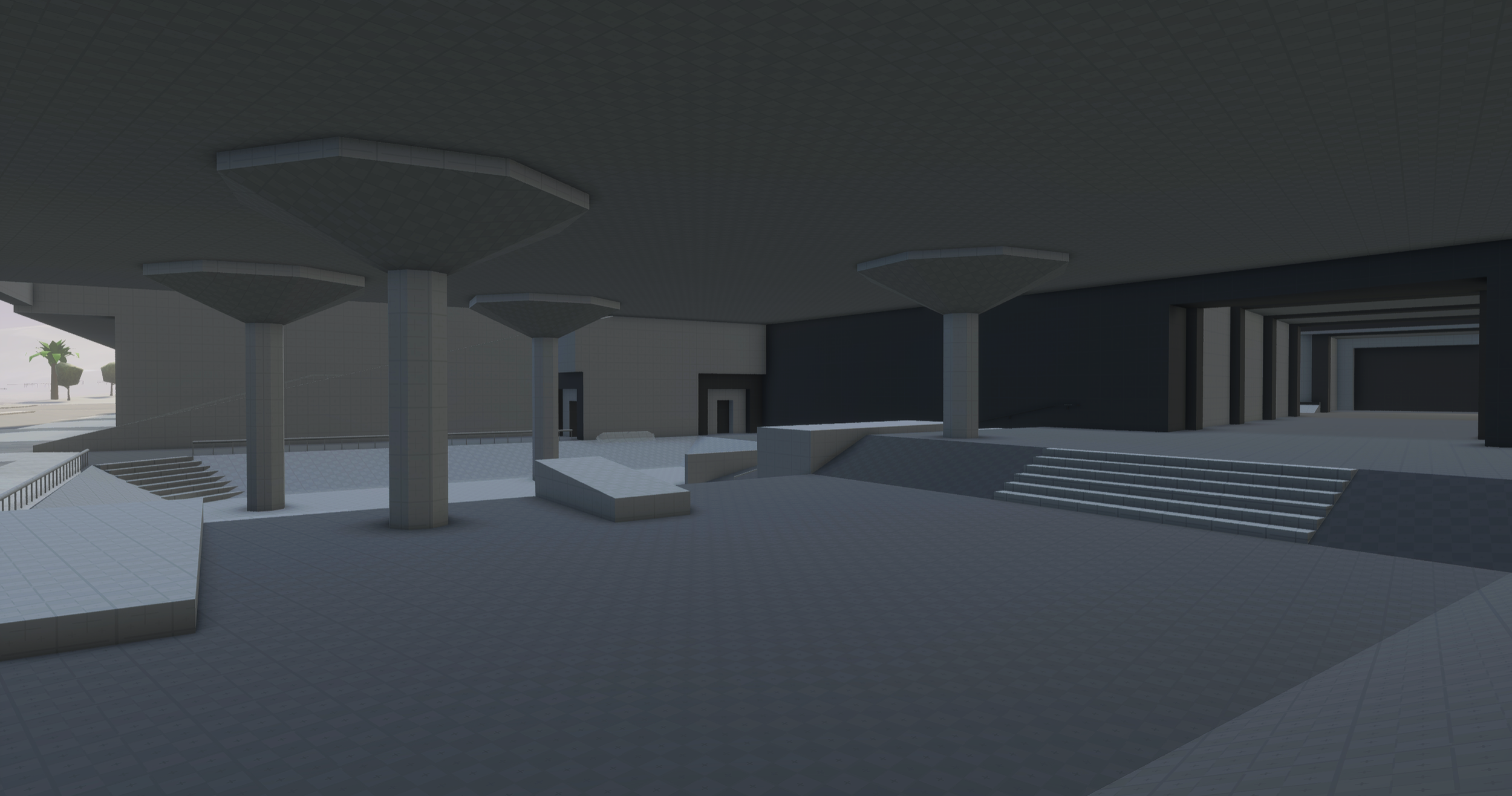
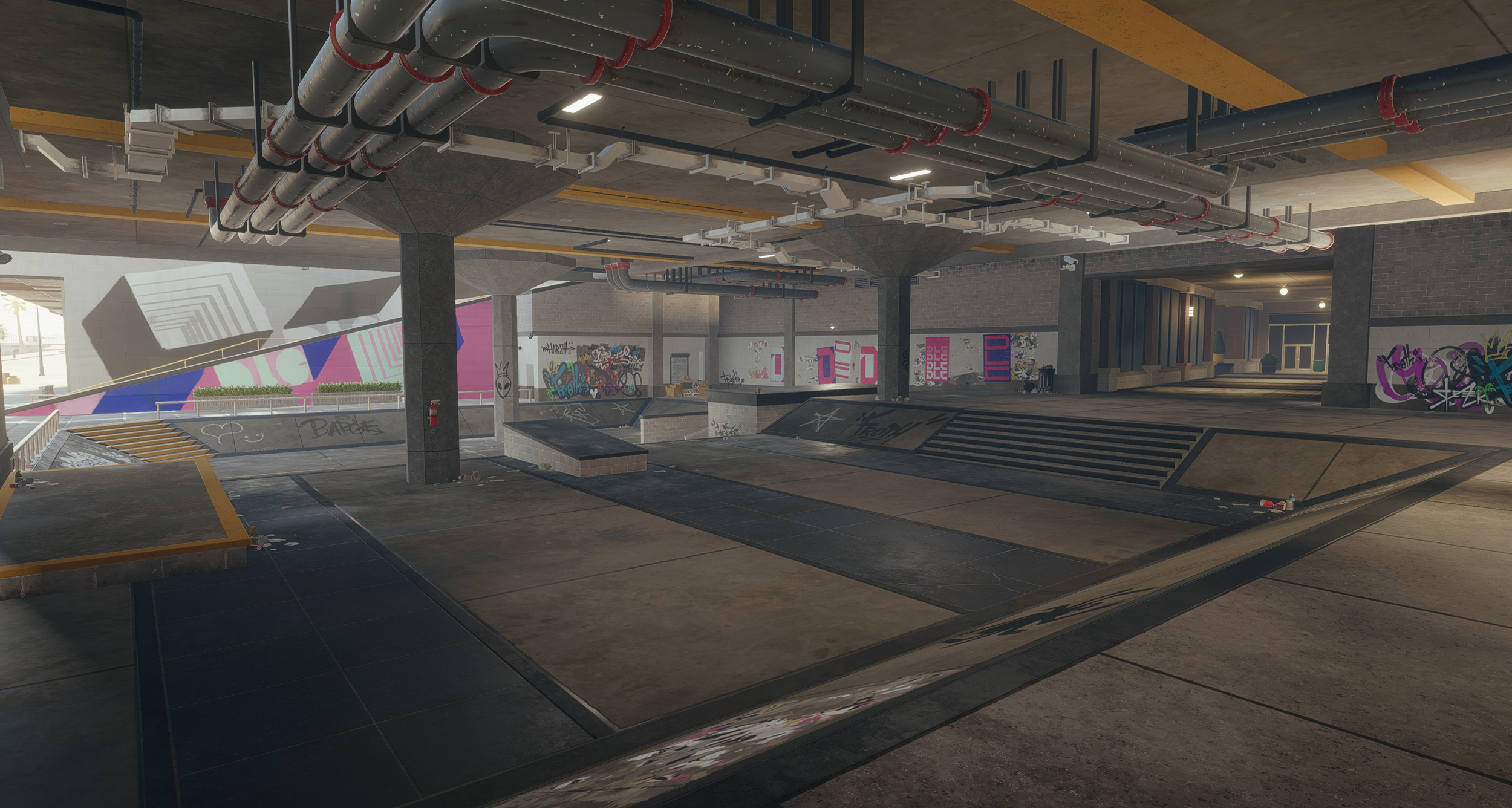
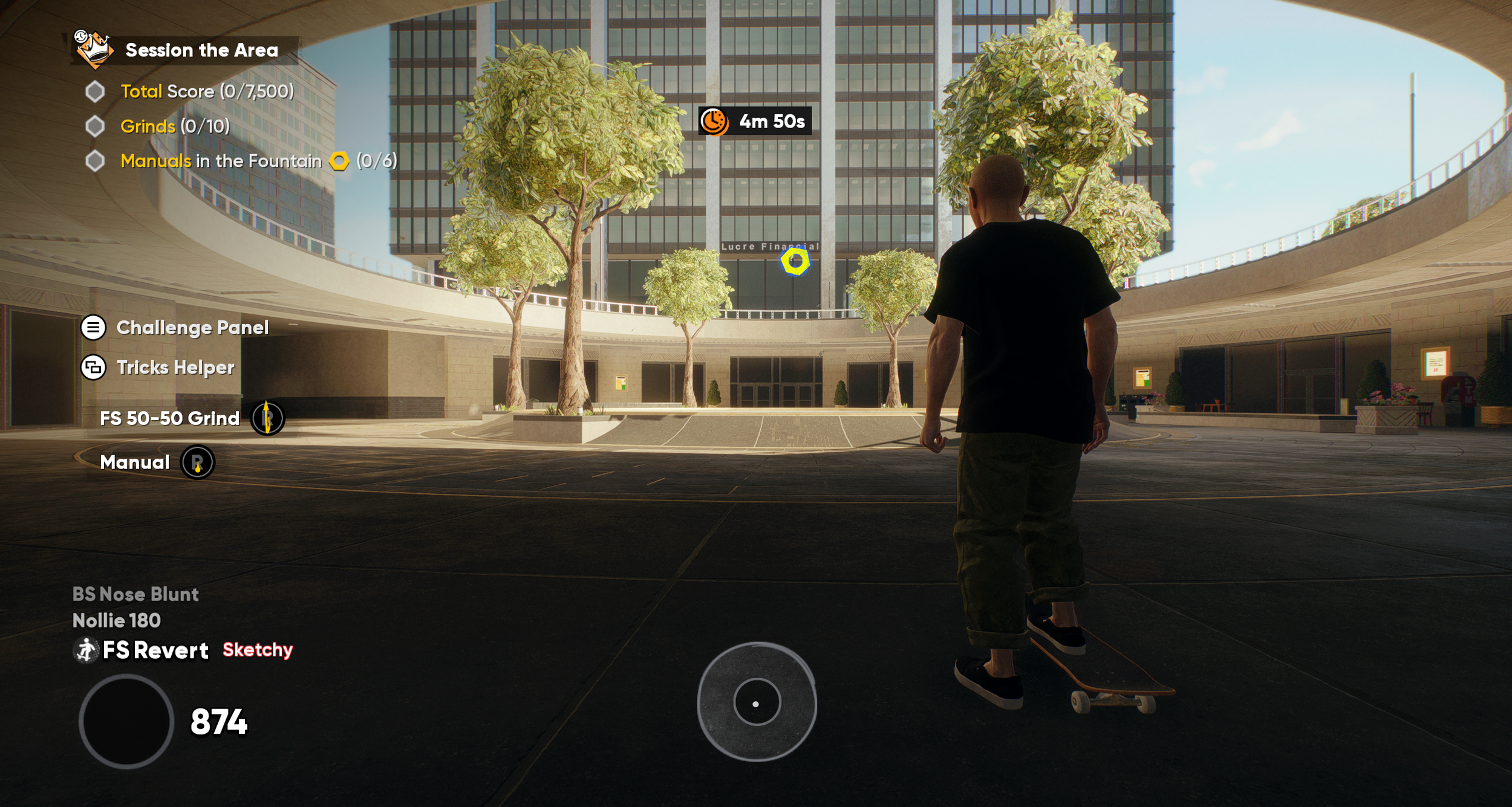
50+ Challenges. Designed, Scripted, Shipped.
Working with the metagame team, I planned, created, and iterated on the base rotating challenge set — designing each one as a gameplay problem, not just a task.
Each challenge had to feel achievable but not trivial, guide players to parts of the map, and reward them in a way that felt earned.
I owned the full pipeline: design → scripting → implementation in Frostbite.
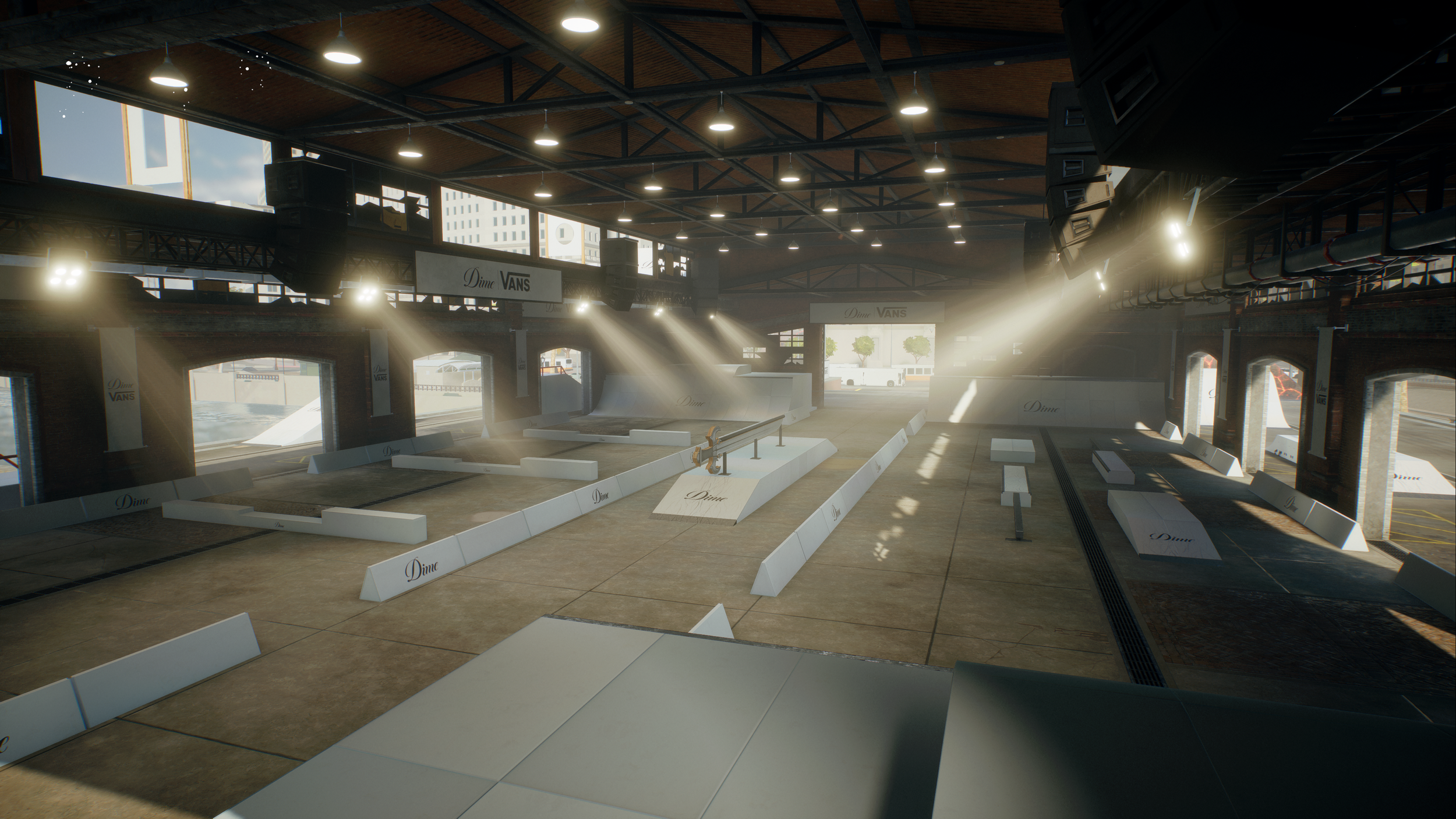
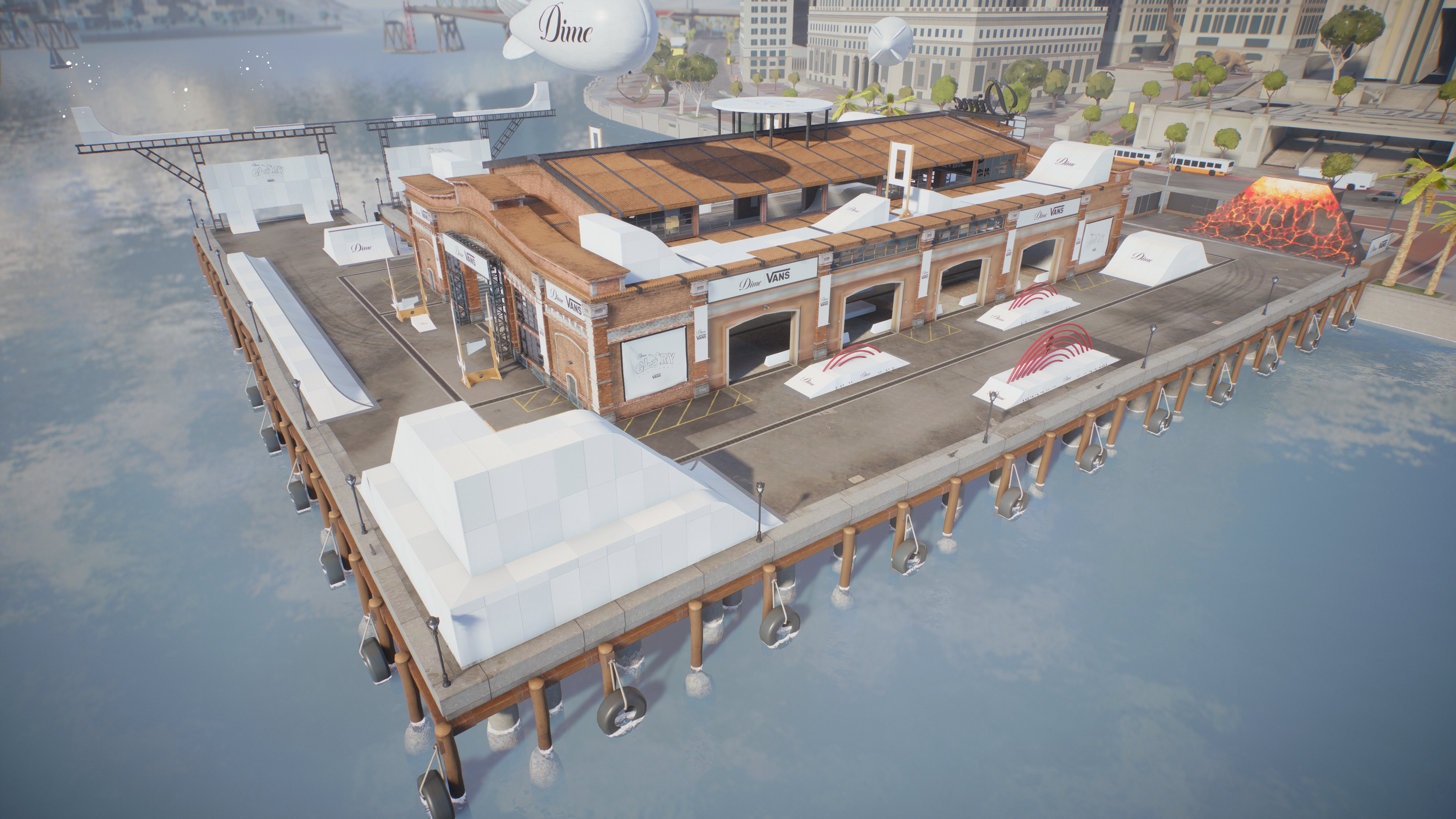
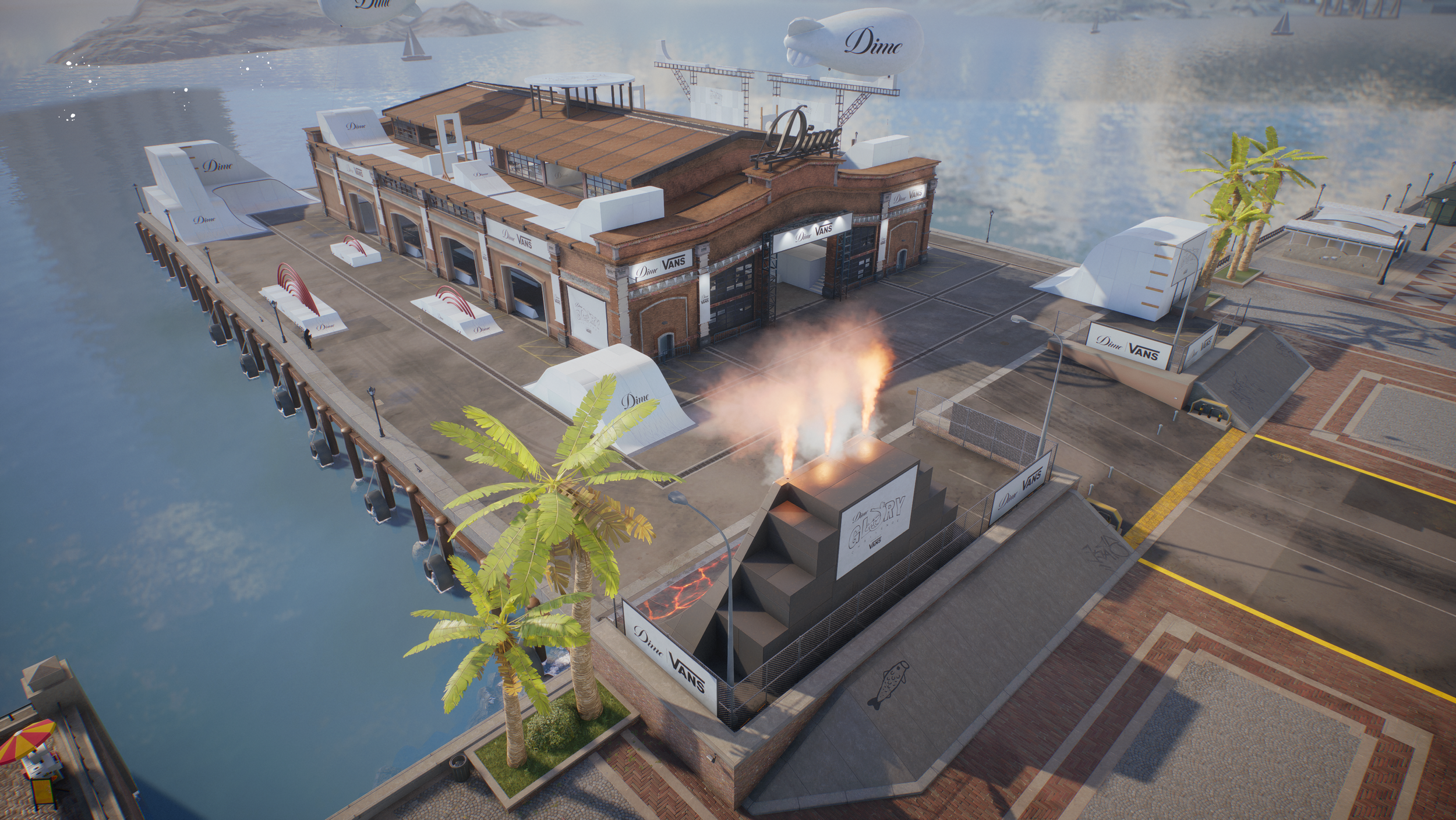
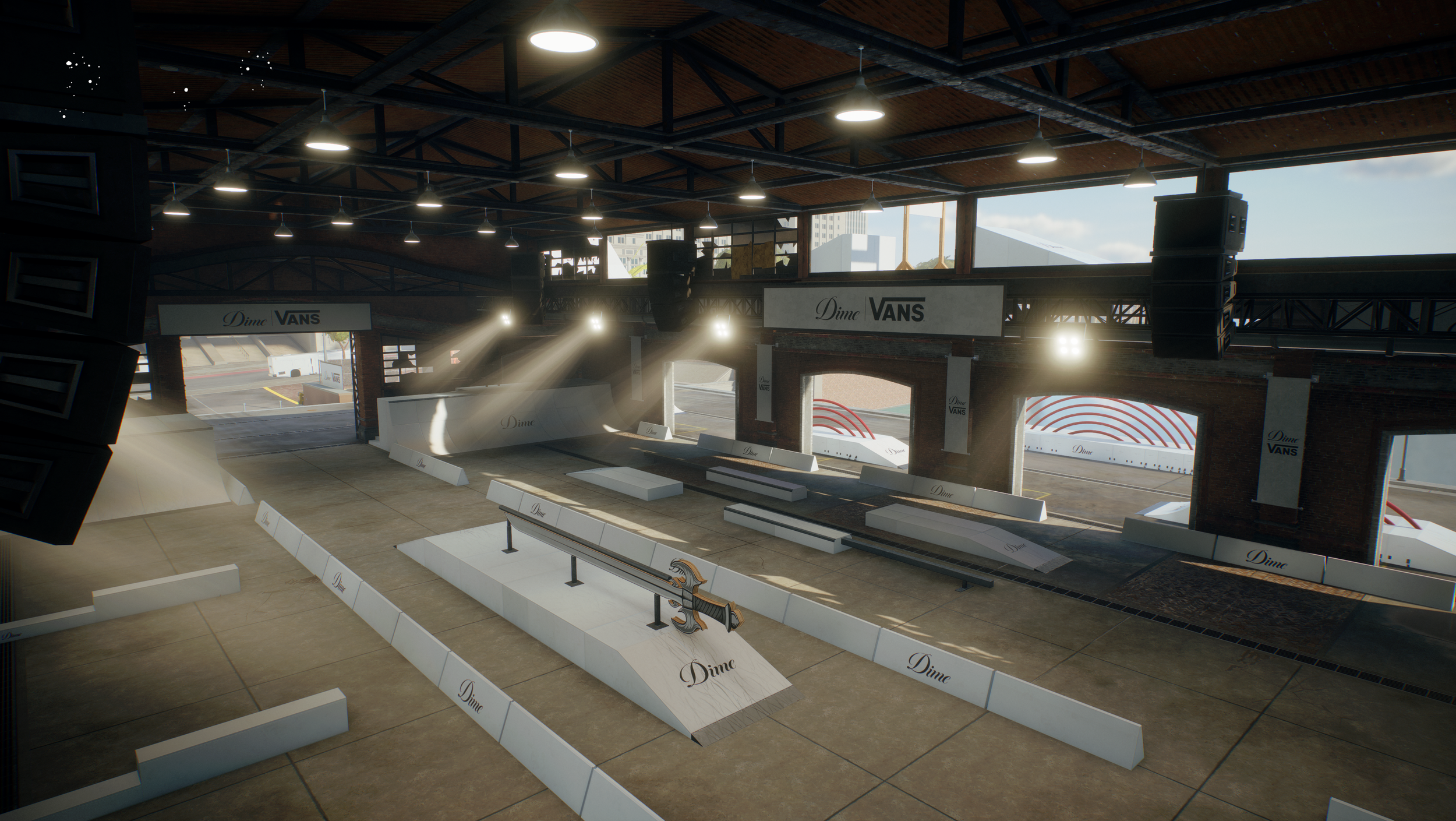
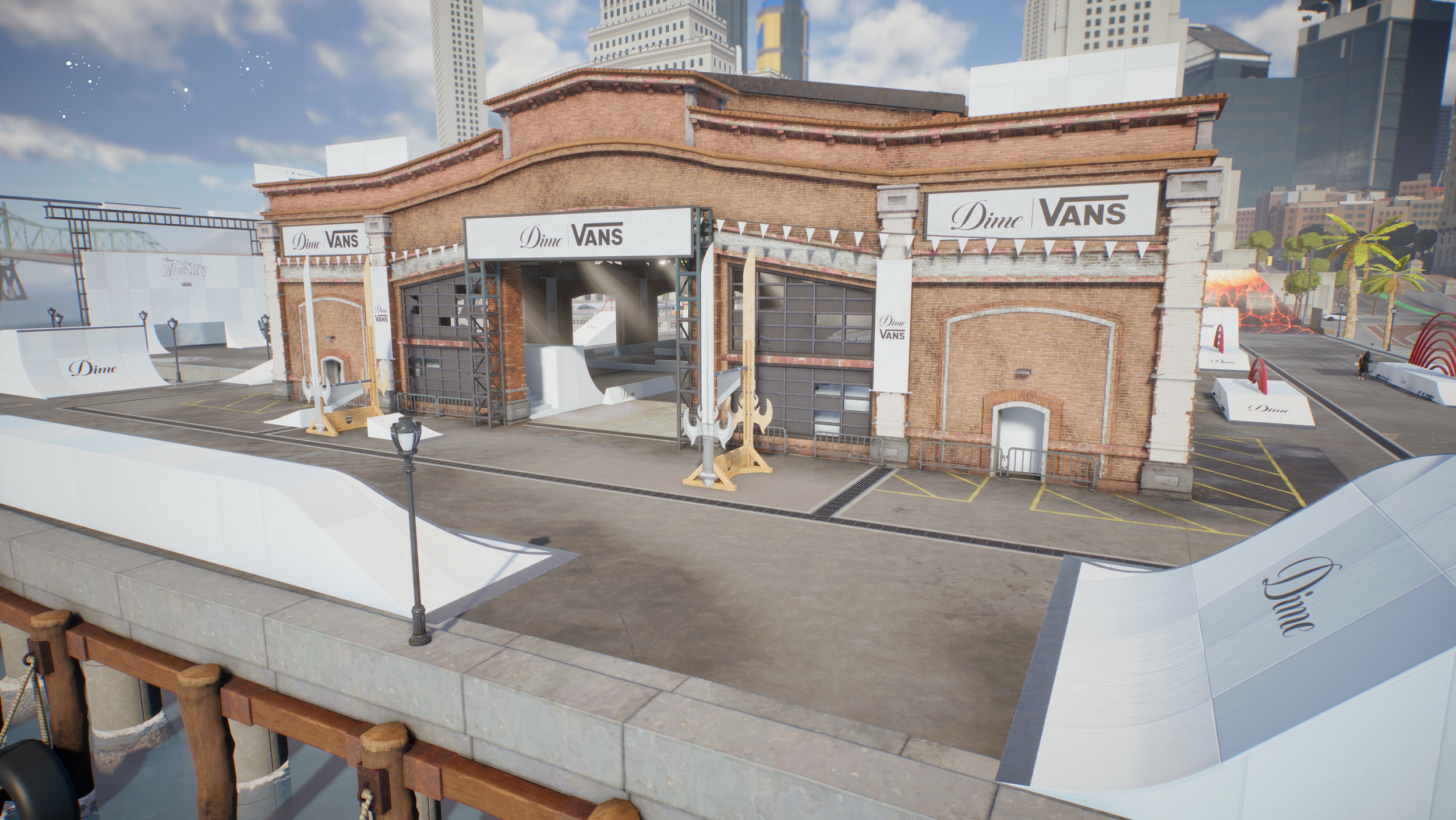
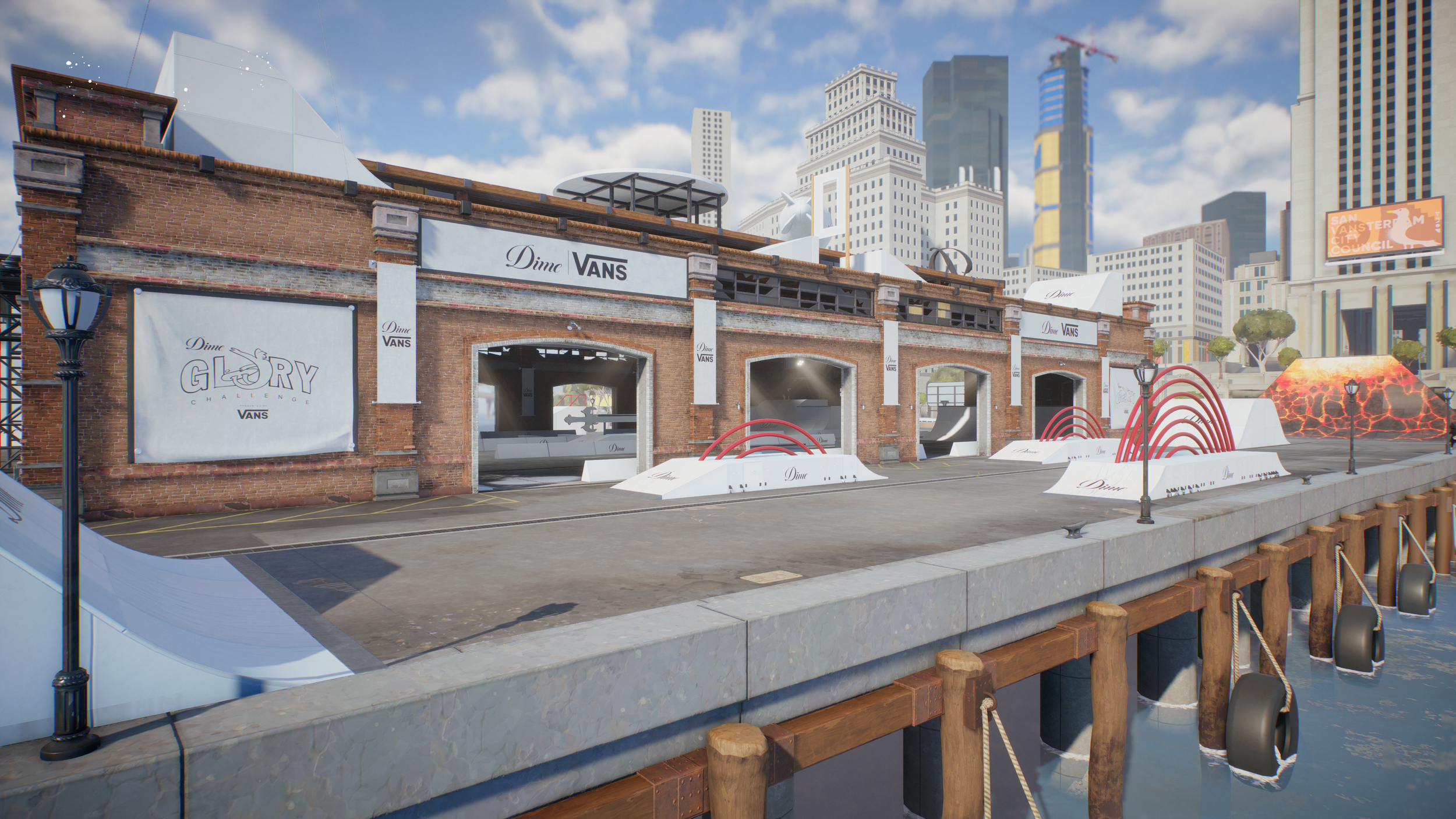
The Dime Glory Challenge
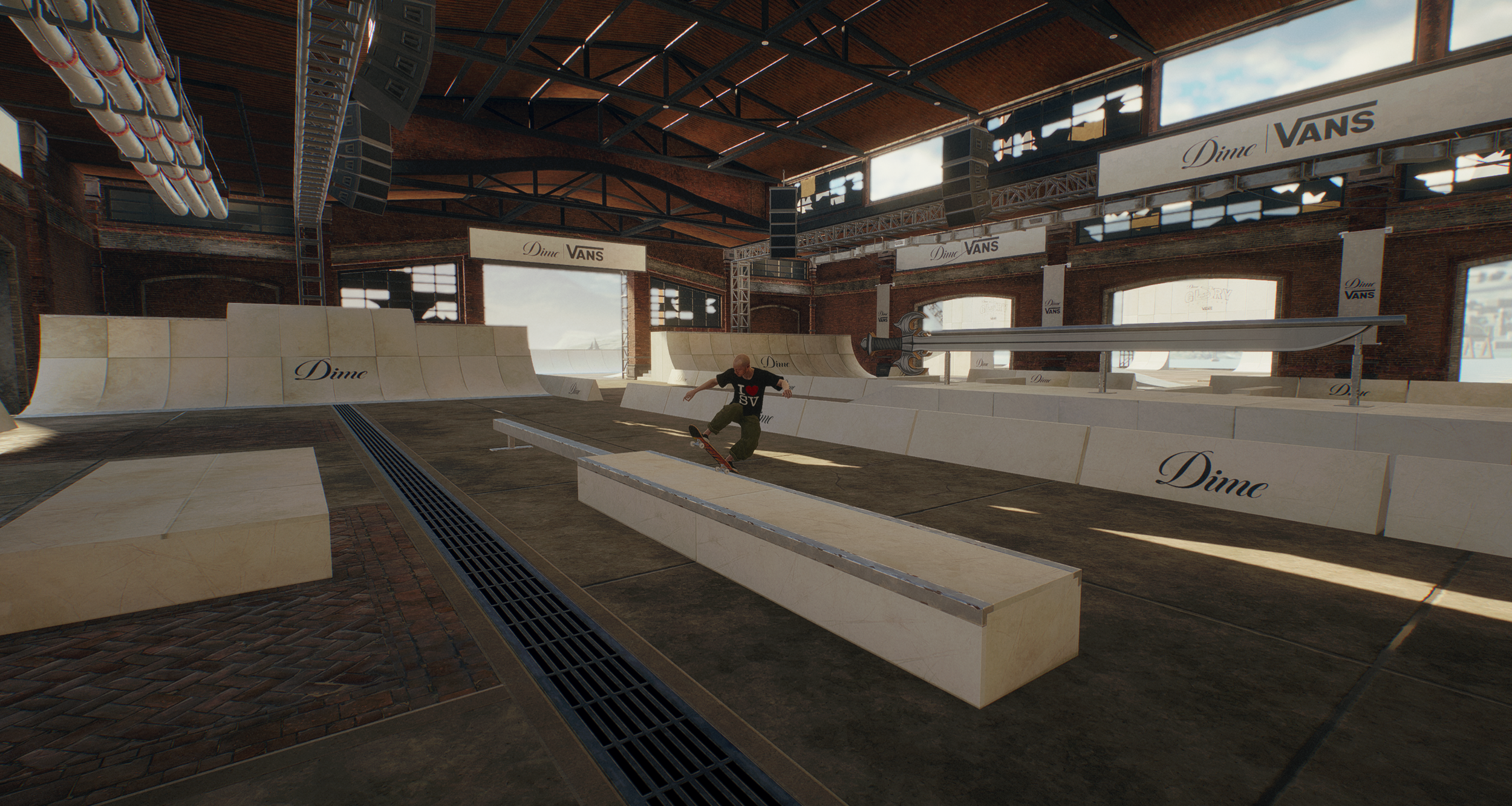
A custom skatepark built to coincide with the real-life Dime Glory Challenge — one of skateboarding's most iconic annual events. Ran through the Community Parks system for a limited window at launch.
One of the more creatively satisfying projects — designing to a cultural moment with a tight deadline.
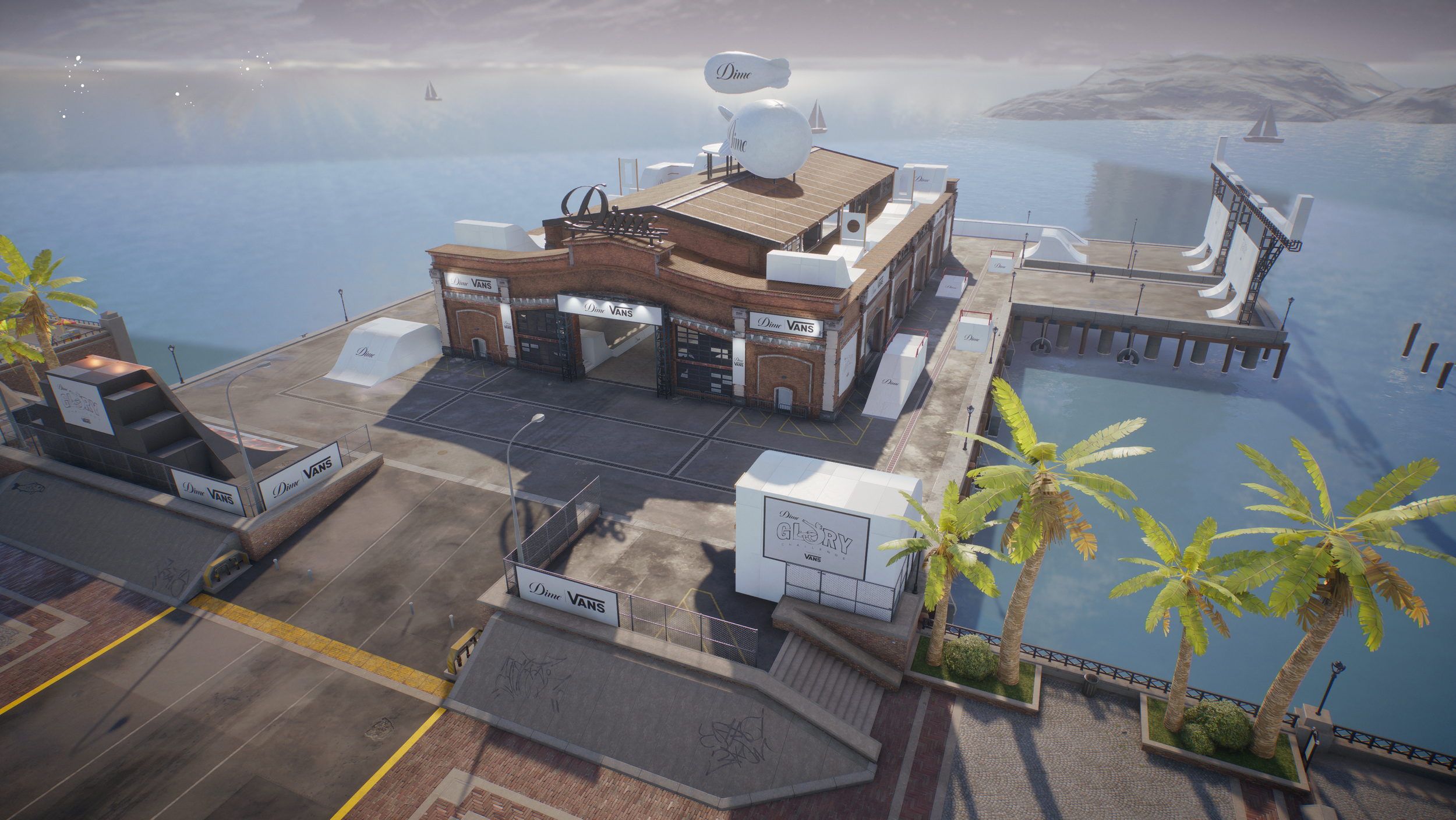
Designing to a Cultural Moment
The real Dime Glory Challenge is a beloved grassroots skate contest held annually in Montreal. The brief was to bring that energy into skate. at launch.
That meant the park had to feel right to anyone who knew the event — not just look the part, but skate the part too.
Reference, Then Riff
I started with deep reference — past Dime Glory contest footage, obstacle setups, and layout logic. Then riffed on it to work within the skate. physics and camera system.
Tight timeline. One shot to get it right for launch day.
Four Major Systems. One City. Ongoing.
I've been working on skate. since the start of 2024. In that time I've touched a wide range of systems — from the modular Community Parks that rotate daily, to the open-world plot spaces that define the city's character.
The work spans four major areas: Community Parks, Seasonal Events, Plot Work, and Challenges. Use the tabs above to navigate between sections.