The Most Ambitious Project I've Ever Worked On
Thorb was the most ambitious personal project that I had ever worked on. I learned some invaluable design lessons on this project, and I was challenged throughout the whole process, making it the most rewarding design experience that I have had so far.
This project was worked on by myself and a few of my friends, but I did the entirety of the level design on this project (except for some minor 2D mapping that someone helped me with.)
↓ Download Thorb


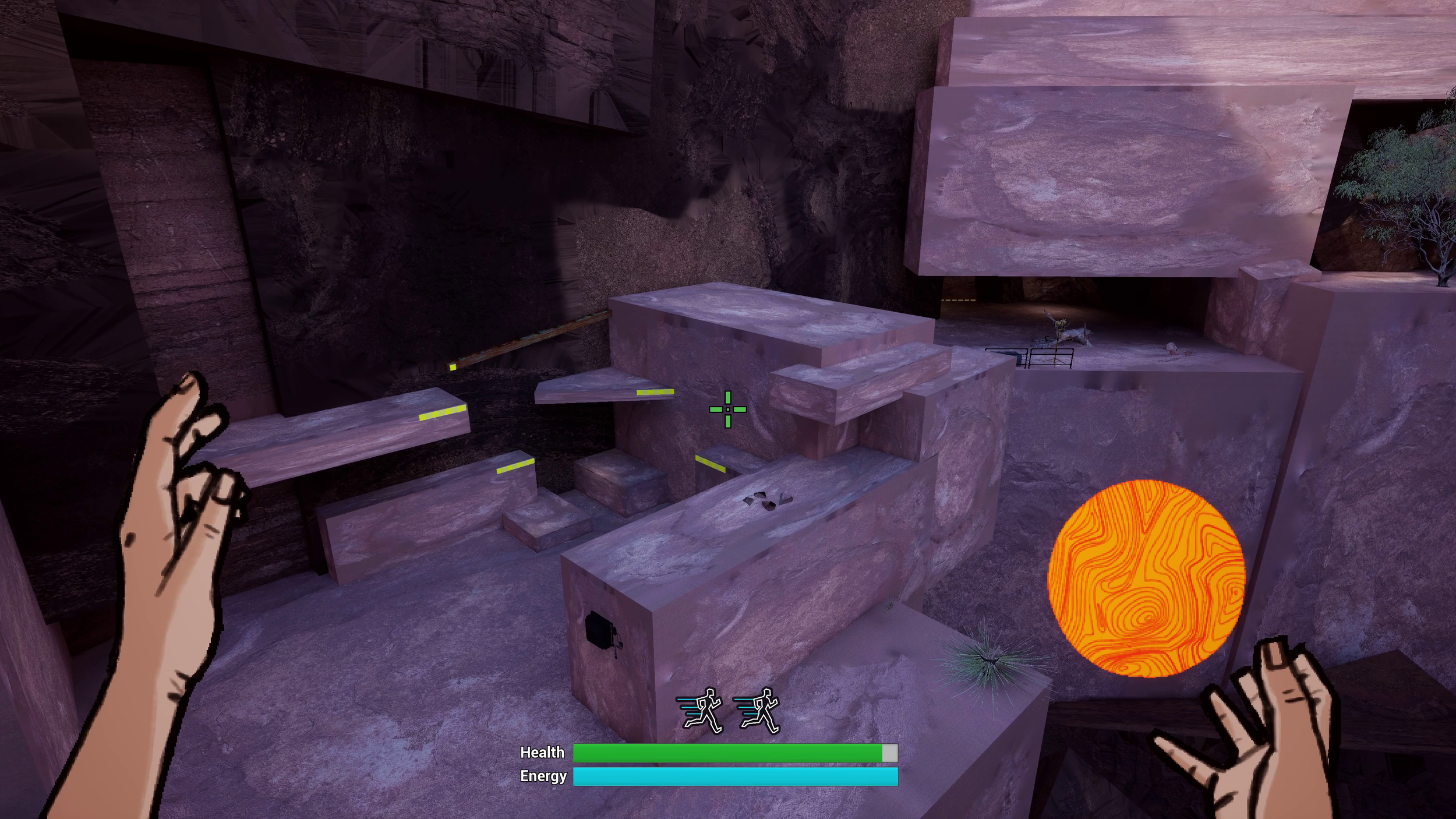
Create a Human Skatepark
My level design philosophy for this project was simple: make it fun. The player movement and combat was designed to be very quick and action packed, with the main inspiration being Doom (2016.)
With this in mind, the phrase that I kept coming back to during the design process was "create a human skatepark."
A human skatepark, to me, meant that my objective should be to make the player movement shine because it was so much fun to navigate. Allowing the player to fly around and dodge enemies in a way that always kept them moving. If the player had to stop moving, then they were no longer having as much fun as possible.
I take a lot of pride in this project's level design. Starting from the first level through the last level, I can see my progression on the project and as a designer.
If the player had to stop moving, then they were no longer having as much fun as possible. Every design decision came back to that principle.
Combat & Traversal Rhythm
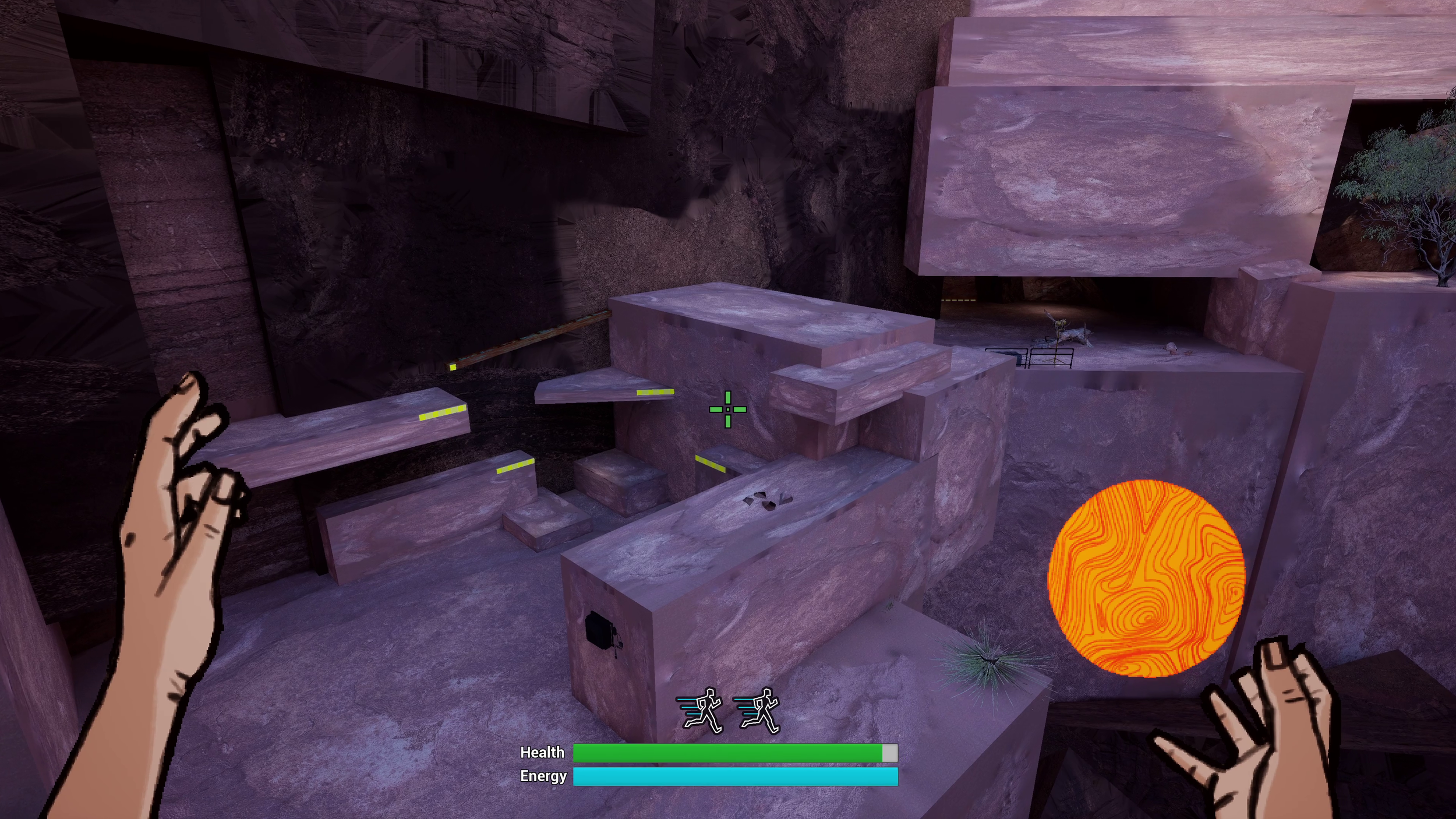
The 8 levels alternate between intense combat arenas and traversal levels that give the player room to breathe and move. The traversal levels serve as a palate cleanser — a chance to explore the movement system before the next fight.
Level Breakdown
Thorb's 8 levels follow a deliberate combat → combat → traversal cadence, giving the player two intense fights before rewarding them with a traversal level. The sequence repeats twice before the final combat level closes out the game.
Post Mortem
Thorb was the most rewarding design experience I've had so far. The project pushed me in every direction — from designing combat arenas that felt kinetic and alive, to building traversal spaces that gave the movement system room to breathe.
Looking back at Level 1 versus Level 8, the growth is visible. Early levels are functional but conservative. Later levels show more confidence — bigger risks, better flow, more trust in the player.
The biggest lesson: the movement is the game. Any space that forced the player to slow down was a space that needed to be redesigned. Getting that right took most of the project, but by the end it clicked.